
One Mind, One Spirit, One Body of Christ
SINCE 1996
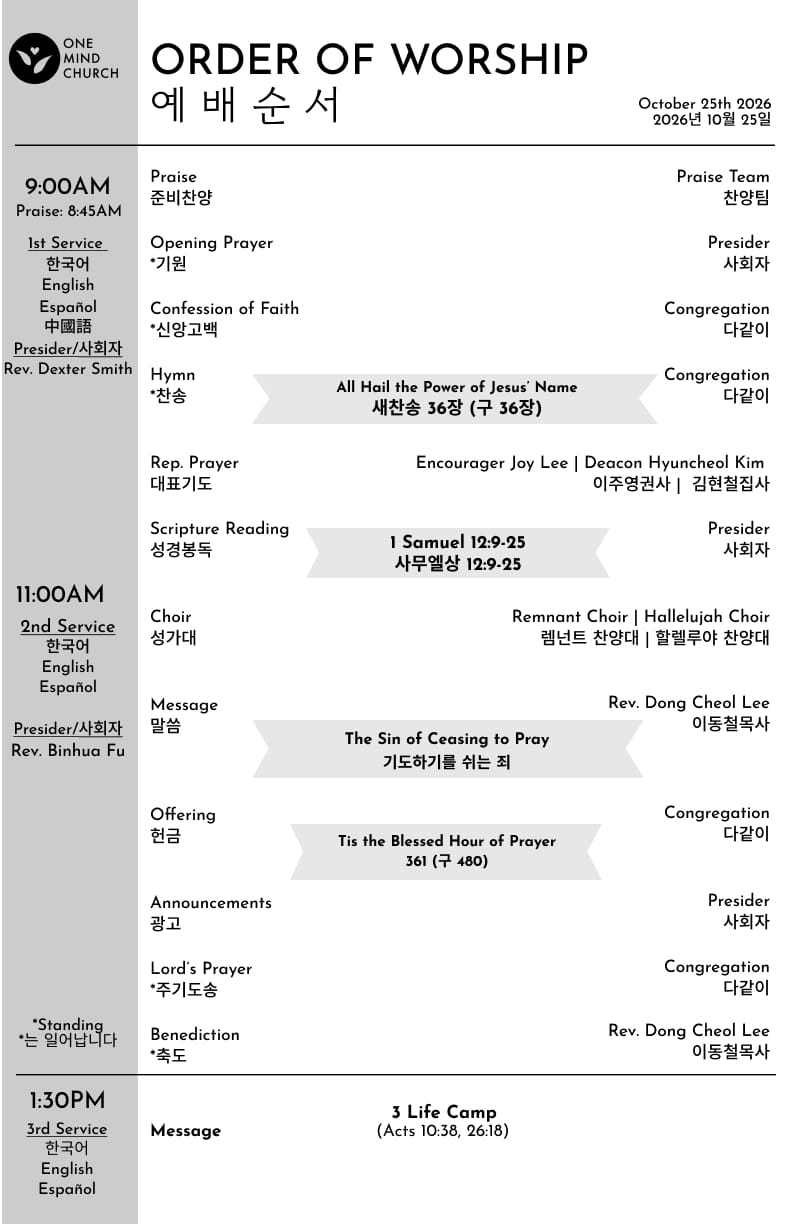
SUNDAY SERVICES
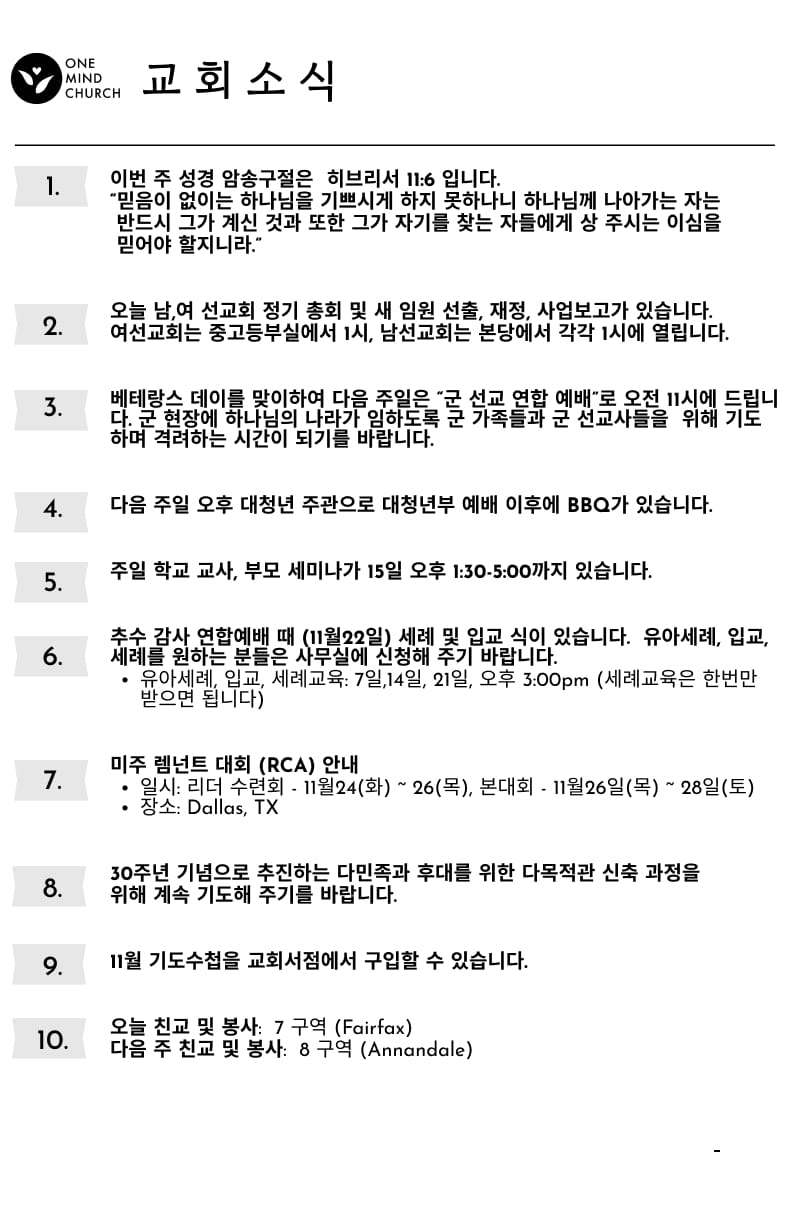
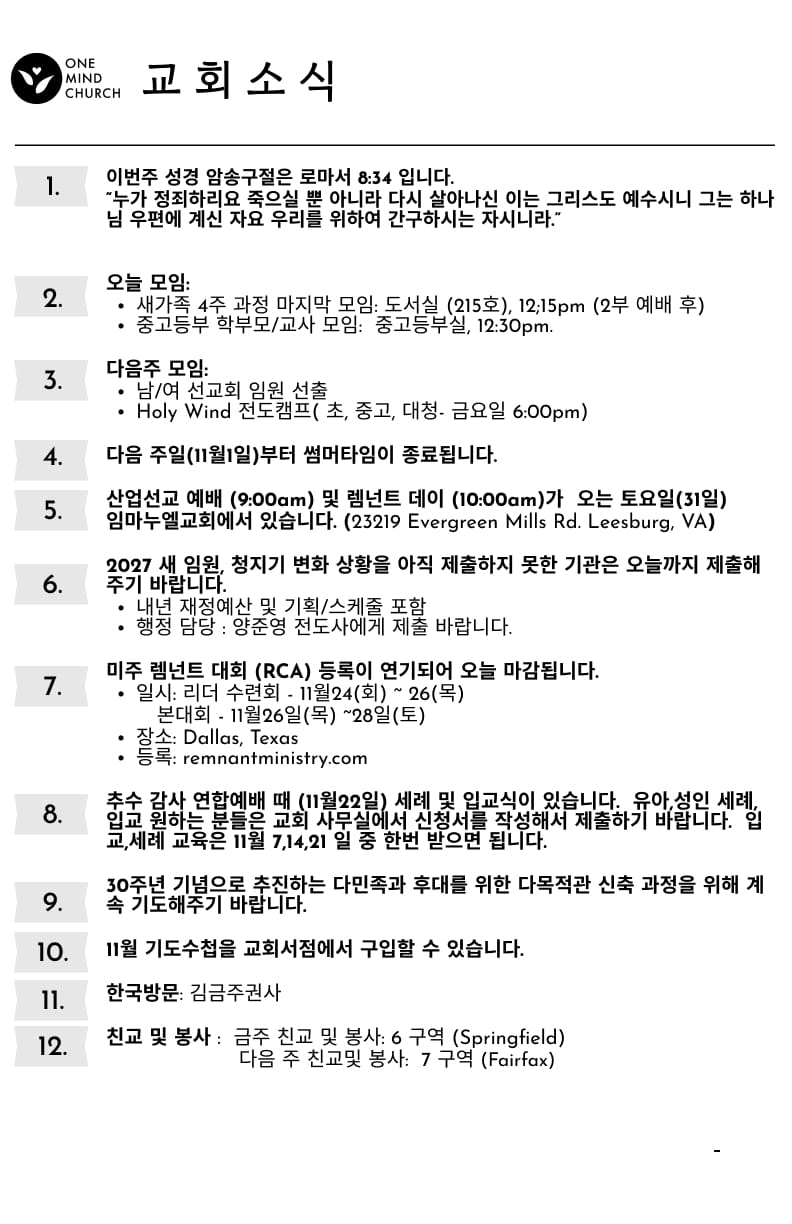
9 & 11AM, 1:30PM EST | Watch Live 

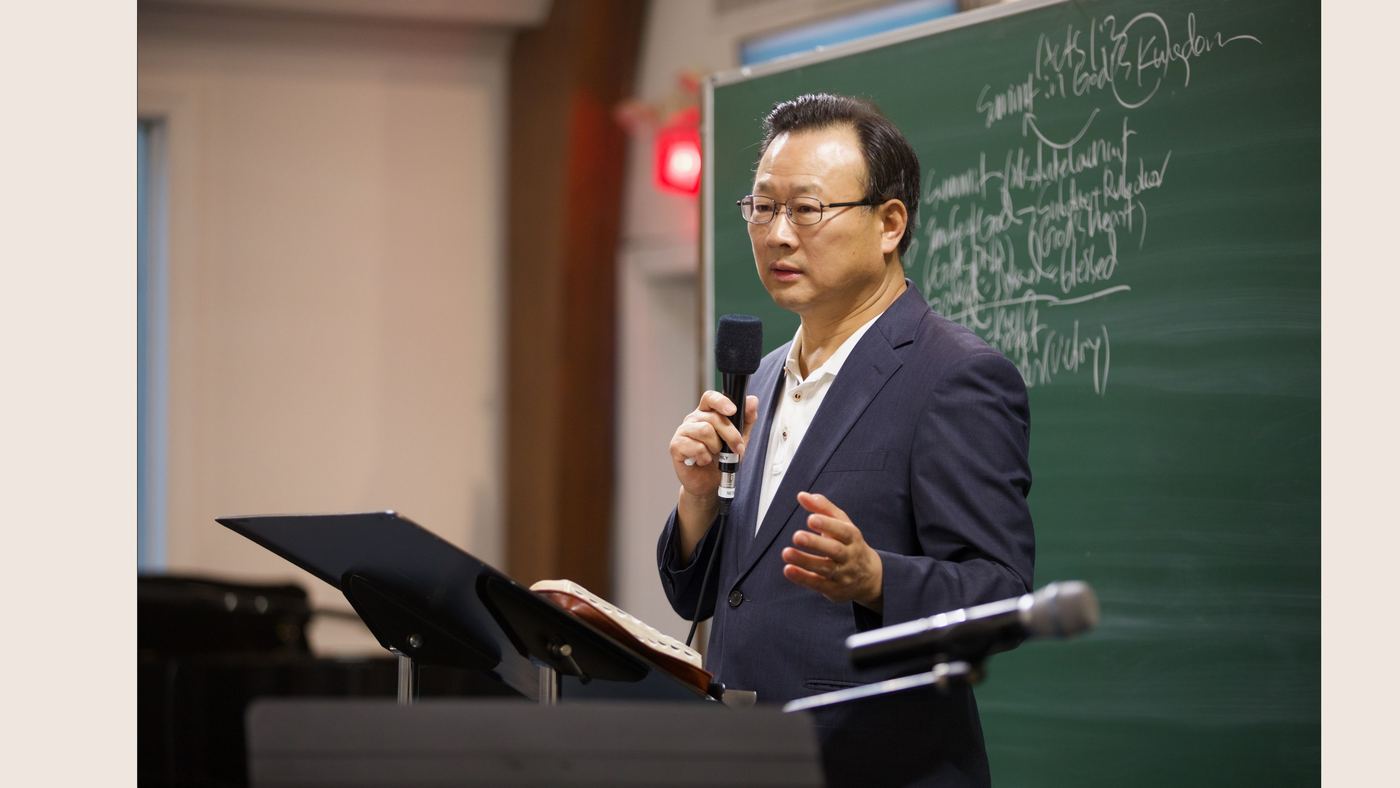
1 Samuel 16:1–7 · 15 de noviembre de 2026
El SEÑOR dijo a Samuel: —¿Cuánto tiempo vas a quedarte llorando por Saúl, si ya lo he rechazado como rey de Israel? Mejor llena de aceite tu cuerno y ponte en camino. Voy a enviarte a Belén, a la casa de Isaí, pues he escogido como rey a uno de sus hijos. 2—¿Y cómo voy a ir? —respondió Samuel—. Si Saúl llega a enterarse, me matará. —Lleva una ternera —dijo el SEÑOR—, y diles que vas a ofrecerle al SEÑOR un sacrificio. 3Invita a Isaí al sacrificio y entonces te explicaré lo que debes hacer, pues ungirás para mi servicio a quien yo te diga. 4Samuel hizo lo que el SEÑOR mandó. Pero cuando llegó a Belén, los jefes del pueblo lo recibieron con mucho temor. —¿Vienes en son de paz? —preguntaron. 5—Claro que sí. He venido a ofrecerle al SEÑOR un sacrificio. Conságrense y vengan conmigo para tomar parte en él. Entonces Samuel consagró a Isaí y a sus hijos, y los invitó al sacrificio. 6Cuando llegaron, Samuel se fijó en Eliab y pensó: «Sin duda que este es el ungido del SEÑOR». 7Pero el SEÑOR dijo a Samuel: —No te dejes impresionar por su apariencia ni por su estatura, pues yo lo he rechazado. La gente se fija en las apariencias, pero yo me fijo en el corazón.
Por fin, la era de Saúl llega a su fin y la de David se prepara. Una nueva generación no surge de repente. Dios prepara a David, lo unge y lo prepara para el futuro. En el versículo 1 de la lectura de hoy, Dios identifica a David como hijo de Isaí, un hombre de Belén, de la tribu de Judá. Esto fue el cumplimiento de la larga preparación y profecía de Dios (Génesis 49:10).
En lo que debemos centrarnos es, ¿por qué David? David tenía siete hermanos mayores que parecían tener la apariencia y las aptitudes propias de un rey. Sin embargo, Dios eligió a David, el menor. Sus hermanos mayores eran tan impresionantes que incluso Samuel, el siervo del Señor, quedó asombrado por su buena presencia. En ese momento, Dios pronunció esas importantes palabras que tan bien conocemos.
"El hombre mira las apariencias, pero el Señor mira el corazón" (Versículo 7).
La expresión "Dios mira el corazón" encierra varios significados.
En primer lugar, la palabra hebrea para "corazón" se refiere al corazón, la mente, las emociones y la voluntad de una persona. Aunque estas cualidades no sean inmediatamente visibles, en última instancia determinan el carácter de una persona y el rumbo de su vida. Por eso es importante dedicar tiempo a conocer a los demás. Solo entonces se hacen evidentes estas cualidades internas. Desde Génesis 6 hasta hoy, la gente ha seguido juzgando a los demás por las apariencias. Como resultado, son engañados, estafados y, a veces, malinterpretados a lo largo de toda su vida. Incluso la psicología reconoce que la primera impresión que causa una persona, en particular su apariencia externa, es uno de los primeros factores que influyen en si los demás se sienten atraídos por ella (aproximadamente un 45%).
En segundo lugar, el corazón se refiere a la diligencia de una persona en la vida. David demostró esta cualidad incluso mientras cuidaba las ovejas de su padre (Salmo 78:72). Para asegurarse de que no se perdiera ni una sola oveja de las que su padre le había confiado, David aprendió a usar la honda. Esa misma habilidad se convirtió más tarde en un arma secreta en su victoria sobre Goliat.
En tercer lugar, el corazón se refiere al profundo anhelo de una persona por Dios. Ya sea que David estuviera cuidando ovejas, soportando dificultades, sirviendo como rey o experimentando un fracaso vergonzoso, su profundo anhelo por la gracia y el amor de Dios que queda registrado a lo largo de los Salmos. Este anhelo era tan profundo que animo a cualquiera que desee una relación más profunda con Dios o que esté pasando por momentos difíciles a meditar profundamente en los Salmos.
Hay algo fundamental en una vida como esta. Ante todo, es la clave para disfrutar de una relación profunda con Dios. Esa clave es el Evangelio.
Cuando Dios miró a David, dijo: "He hallado a David, hijo de Isaí, un hombre conforme a mi corazón, que hará toda mi voluntad." (Hechos 13:22). ¿Era David un hombre perfecto, sin defectos? No. Sin embargo, Dios siguió usándolo hasta el final de su vida (1 Crónicas 29:28).
¿Qué es exactamente este Evangelio? ¿Qué necesitamos para que Dios nos use a lo largo de toda nuestra vida, hasta el final?
1. Comienza con comprender verdaderamente el evangelio.
Simplemente saber acerca del evangelio es conocimiento. Comprenderlo verdaderamente se convierte en un poder práctico. El Evangelio es el pacto (Efesios 2:8 "don de la gracia de Dios") que Dios nos dio misericordiosamente cuando la humanidad cayó en el pecado y la maldición comenzó en Génesis. Es un pacto superior mediante el cual Cristo intercede por nosotros, aun cuando somos pecadores (Hebreos 8:6). Es el nuevo pacto mediante el cual todos nuestros pecados son redimidos eternamente (Hebreos 9:15). Aquel que vino según esta promesa es Cristo, el Hijo de Dios. Su venida fue proclamada como una buena noticia de gran alegría, el Evangelio (Lucas 2:10).
1) El corazón de Dios está contenido en este Evangelio. El corazón de David estaba en armonía con el corazón de Dios. El carácter de Dios tiene dos aspectos. Lo primero es su rectitud y justicia. Esto incluye la equidad y el juicio que de ella emana. Esto refleja la perfecta razón de Dios. Después de la caída de Adán y Eva, el juicio cayó sobre toda la humanidad (Romanos 5:12), y el diablo mismo está destinado al juicio eterno (Mateo 25:41). El segundo es el amor. Es el corazón de Dios que nunca abandona a aquellos que ha creado y elegido, ni siquiera hasta el final. Por eso la Biblia dice que, mientras toda la humanidad seguía atrapada en el pecado, Dios demostró su amor por nosotros enviando a Cristo (Romanos 5:8).
2) El Evangelio contiene tres cosas que revelan el corazón de Dios.
① El plan absoluto de Dios para toda la humanidad. Por eso nos creó a su imagen y semejanza. Él no discrimina a nadie. No muestra favoritismo hacia ricos ni pobres, instruidos ni ignorantes, poderosos ni débiles. Su corazón es como el de un padre.
② El amor absoluto de Dios por toda la humanidad. La Biblia dice que Dios no quiere que nadie perezca (Juan 3:16). Por eso le dio a la humanidad caída el pacto del Evangelio en Génesis 3:15 y 3:21. Todo problema en la vida humana comenzó con el pecado y la caída de Adán y Eva. Detrás de todo estaba Satanás, quien engañó a la humanidad y la hizo caer (Juan 8:44). Toda la humanidad heredó esa naturaleza pecaminosa y continúa cautiva de Satanás, sufriendo las consecuencias de su obra (1 Juan 3:8). Toda persona lleva consigo heridas ocultas (problemas familiares, experiencias de la infancia y sucesos del pasado). Estas heridas pueden convertirse en trampas de por vida y desarrollarse en problemas espirituales (Hechos 10:38). Los trastornos de la personalidad, los trastornos de pánico, las tendencias obsesivo-compulsivas, la depresión, las adicciones y otras luchas mentales pueden tener su origen en estos problemas. Cristo vino a sanar estas heridas mediante su amor sacrificial, entregándose a sí mismo por nosotros (Isaías 61:1).
③ El poder absoluto de Dios para salvar, dar vida y sanar a toda la humanidad. Dios confirmó este poder mediante la resurrección de Cristo. Gracias al poder de su resurrección, cualquiera puede ser sanado y comenzar de nuevo. Mediante su resurrección, Cristo destruyó la autoridad de Satanás (1 Corintios 15:25) y nos dio vida eterna (Romanos 6:4). Por eso, incluso alguien como Pablo, perseguidor y hombre violento, pudo ser utilizado para la evangelización mundial. Él dio testimonio del poder del Evangelio (Romanos 1:17).
2. El evangelio se convierte en mi evangelio solo cuando lo experimento.
Solo cuando experimentamos el Evangelio se convierte en algo tan precioso que estamos dispuestos a arriesgar nuestras vidas por él (Hechos 20:24).
1) Experimenta el Evangelio al meditar en la Palabra de Dios. La Biblia contiene tanto la Ley como el Evangelio. Dios nos dio ambos porque los necesitamos. Cuando nos enfrentamos a la Ley, debemos reconocer la naturaleza pecaminosa, la impotencia y la maldad de la humanidad. Esto nos permite mantenernos humildes a lo largo de nuestra vida. El Evangelio nos enseña que Dios nunca abandona esas vidas. Aunque nos discipline por un tiempo, nos da otra oportunidad. Incluso su disciplina es una expresión de su amor (Hebreos 12:8).
2) Experimenta el poder del Evangelio a través de la oración. Un milagro puede ocurrir en nuestro interior, incluso cuando estamos débiles, enfermos, derrotados o sufriendo. Cuando oramos, los ángeles son enviados para servir a los propósitos de Dios (Hebreos 1:14), y el poder de Satanás es quebrantado (Marcos 9:29). Entrénate para resolver todos tus problemas a través de la oración.
3) Experimenta el Evangelio a través de los problemas y el sufrimiento que enfrentas. Esta es también la razón por la que Dios a veces permite el sufrimiento temporal y el fracaso en la vida de personas como David y Pedro. A través de estas experiencias, llegamos a darnos cuenta de que "en realidad soy una persona muy débil". "Soy una persona que comete errores y experimenta el fracaso." Por eso necesito solo el Evangelio. Necesito solo la gracia y el poder de Dios. De aquí vienen las lágrimas, y de aquí también surgen los milagros (2 Reyes 20:5; 2 Timoteo 2:4).
3. Cuando compartimos el evangelio, sus bendiciones se multiplican. Esto es evangelización y misiones.
Aunque la persecución y la pérdida puedan sobrevenir a causa del Evangelio, Dios promete bendiciones multiplicadas por cien por lo que hemos sacrificado por su causa (Marcos 10:29–30).
1) La evangelización y las misiones significan llevar el corazón de Dios y traer sus respuestas y su luz a quienes sufren. Somos mensajeros de Dios, sus heraldos, proclamando su mensaje (Himnario "Heraldos de la Luz"). Por eso Dios transforma incluso nuestras debilidades, sufrimientos y lágrimas en testimonios.
2) La evangelización y las misiones nos llenan del corazón de Dios y nos dan vida. Al evangelizar y participar en misiones, recibimos la gracia y nosotros mismos somos reavivados. Cuando vemos que incluso una sola persona cobra vida gracias al Evangelio, nosotros mismos nos llenamos de alegría.
3) La evangelización y las misiones son la conclusión última del Evangelio. Por eso Jesús nos mandó ir a todas las naciones y hasta los confines de la tierra. Una vez que esta obra esté terminada, vendrá el fin (Mateo 24:14), y comenzarán el cielo nuevo y la tierra nueva.
Conclusión
El corazón que Dios desea ver en nosotros es un corazón centrado en el evangelio. Es su corazón el que nos da vida a nosotros y a todos.
MOST RECENTEl corazón que el Señor busca (1 Samuel 16:1–7) | November 15, 2026圣经本文 · 撒母耳记上16:1-7
1耶和华对撒母耳说:“我既厌弃扫罗作以色列的王,你为他悲伤要到几时呢?你将膏油盛满了角,我差遣你往伯利恒人耶西那里去,因为我在他众子之内预定一个作王的。”2撒母耳说:“我怎能去呢?扫罗若听见,必要杀我。”耶和华说:“你可以带一只牛犊去,就说:‘我来是要向耶和华献祭。’3你要请耶西来吃祭肉,我就指示你所当行的事。我所指给你的人,你要膏他。”4撒母耳就照耶和华的话去行。到了伯利恒,那城里的长老都战战兢兢地出来迎接他,问他说:“你是为平安来的吗?”5他说:“为平安来的,我是给耶和华献祭。你们当自洁,来与我同吃祭肉。”撒母耳就使耶西和他众子自洁,请他们来吃祭肉。6他们来的时候,撒母耳看见以利押,就心里说:“耶和华的受膏者必定在他面前。”7耶和华却对撒母耳说:“不要看他的外貌和他身材高大,我不拣选他。因为,耶和华不像人看人:人是看外貌;耶和华是看内心。”
终于,扫罗的时代过去,大卫的时代正在预备之中。一个时代的改变并不是突然发生的。神预备了大卫,膏立他,借此预备未来。本文第1节指出,大卫是属于犹大支派、伯利恒人耶西的儿子。这是神长久以来的预备,也是预言的应验(创49:10)。
我们要关注的是:为什么是大卫?在他上面,还有七位具备外貌或能力的哥哥,神却拣选了最年幼的大卫。他的哥哥们确实具备一些条件,甚至连神的仆人撒母耳也因他们的外貌而赞叹。这时,神说了我们所熟悉的重要话语:
“人是看外貌;耶和华是看内心。”(7节)
“神看内心”这句话包含几个含义。
第一,“内心”这个希伯来词,是指一个人的心,也就是包括思想、感情和意志在内的整个内在生命。这些平时似乎不容易显露,最终却决定一个人的品格和生活。因此,我们需要与一个人长久相处,才能看见他的内心。从创世记第6章直到今天,人实际上仍然看重外貌,所以会受骗,甚至一辈子活在欺骗之中。心理学也认为,一个人的第一印象和外貌,是使别人对他产生好感的首要因素,占45%。
第二,是一个人在生活中的忠诚与尽责。大卫在牧羊时,就有这样的忠诚(诗78:72)。为了不失去父亲交给他的任何一只羊,他学会了甩石头。这后来成为他战胜歌利亚的秘密武器。
第三,是一个人对神的恳切渴慕。无论在牧羊时、受苦时、作王时,还是经历羞愧的失败时,大卫都恳切寻求神的恩典与慈爱。这些恳切的祈求都记录在诗篇中。他的渴慕如此深切,以至于我愿意劝勉那些渴望与神建立亲密关系,或正在经历困难的人,深入默想诗篇。
造就这种生命有一个核心,也是使人享受与神亲密关系的钥匙,那就是福音。
神论到大卫时说:“他是合我心意的人,凡事要遵行我的旨意。”(徒13:22)
大卫是一个毫无瑕疵、完全的人吗?不是。然而,他却成为一生直到最后仍被神使用的人(代上29:28)。
那么,这福音究竟是什么?我们若要一生直到最后都被神使用,需要什么?
1. 真正领悟福音,是一切的开始。
单单知道,只是知识;真正领悟,才会成为实际的能力。 福音是在创世记第3章,人类堕落、咒诅开始时,神凭恩典所赐的约(弗2:8,“恩典的礼物”)。这是为我们这些罪人作中保的更美之约(来8:6),也是永远赎去我们一切罪的新约(来9:15)。按照这应许来到世上的,就是神的儿子基督。这被称为“大喜的信息”,也就是福音(路2:10)。
1)福音里面包含着神的心意。 大卫的内心与神的心意相通了。神的性情有两个方面。第一是公义,也就是公平,以及由此而来的审判。 这是神理性的一面。所以,亚当和夏娃堕落以后,审判临到了所有人的生命中(罗5:12),魔鬼也要进入永远的审判(太25:41)。第二是慈爱。 其中包含着神绝不放弃自己所创造、所拣选之百姓的心。所以,圣经说,当所有人还陷在罪中时,神就差遣基督来,显明了祂对我们的爱(罗5:8)。
2)包含神心意的福音里面,有三个内容。
① 神对所有人的绝对计划。 这就是神按照自己的形象创造人的原因。祂不歧视任何人。无论富足或贫穷,有学问或没有学问,强壮或软弱,神都没有偏见,正如父母的心一样。
② 神对所有人的绝对慈爱。 神不愿任何人灭亡(约3:16),所以祂将创世记3:15、3:21的福音赐给了堕落的人类。人生的一切问题,都从亚当和夏娃的犯罪与堕落开始。背后有撒但的欺骗,使人跌倒(约8:44)。所有人都承袭了这罪性,继续被撒但掳掠而生活,成为受害者(约壹3:8)。每个人都有隐藏的伤痕,例如家族的问题、成长过程和过去的经历。这些成为一生的网罗,甚至发展成属灵问题(徒10:38)。人格障碍、惊恐障碍、洁癖、抑郁、成瘾和精神问题,都从这里开始。基督以舍己的爱来到世上,为要医治这些问题(赛61:1)。
③ 神拯救、使所有人活过来并医治所有人的绝对能力。 神借着基督的复活,确证了这能力。在这复活的大能中,任何人都可以得医治,任何人都可以重新开始。基督复活,打破了撒但的权势(林前15:25),赐给我们永远的生命(罗6:4)。所以,连曾经逼迫人、凌辱人的保罗,也被神使用来完成世界福音化,并且见证这福音的能力(罗1:17)。
2. 只有经历福音,福音才会成为我的福音。
福音会成为我们珍惜到愿意为之舍命的福音(徒20:24)。
1)在默想话语时经历福音。 圣经中既有律法,也有福音。神赐下这两者,是因为我们都需要。面对律法时,要看见人的罪性、无能和邪恶。这样,人才能常常谦卑。神不放弃这样的人,有时虽然暂时管教,却再次赐下机会,这就是福音。暂时的管教也是爱(来12:8)。
2)在祷告中经历福音的能力。 神迹会发生在软弱、患病、失败、遭受痛苦的我里面。祷告时,天使被差遣(来1:14),撒但的权势也因此被打破(可9:29)。要操练借着祷告面对并解决一切问题。
3)在自己经历的问题和痛苦中经历福音。 神像对待大卫、彼得一样,暂时容许我们经历痛苦和失败,也是为了这个目的。“原来我是如此软弱的存在。”“原来我是如此容易犯错、失败的存在。”因此,我唯独需要福音,唯独需要神的恩典和能力。在这里会流出眼泪,也会发生神迹(王下20:5;提后2:4)。
3. 分享福音时,福音的祝福就会加增。这就是传道和宣教。
虽然会因福音遭受逼迫,也会失去一些东西,但神所预备的祝福却是一百倍(可10:29–30)。
1)传道和宣教,是怀着神的心,将神的答案和光传给受苦的人。 我们是神的使者,也就是神的信息传递者(Herald of God,正如赞美诗《光的使者》所表达的)。这也是神使我的不足、痛苦,甚至眼泪都成为见证的原因。
2)传道和宣教,是让神的心充满我,使我自己活过来。 因此,在传道和宣教的过程中,我自己也蒙恩,重新得着生命与力量。看见一个人活过来,我自己也感到幸福。
3)传道和宣教,是福音的绝对结论。 所以,主吩咐我们到万民中去,直到地极。此后末期才来到(太24:14),新天新地也将开始。
结论
神要在我里面看见的内心,就是我对“福音”的心。那是使我活过来,也使任何人都能活过来的神的心。
本周默想与应用
撒母耳记上16:7
耶和华却对撒母耳说:“不要看他的外貌和他身材高大,我不拣选他。因为,耶和华不像人看人:人是看外貌;耶和华是看内心。”
- 我的问题
- 话语中神赐的答案
- 安慰与力量
- 更新与改变
- 信心的挑战
- 这周要默想的话语
- 这周的祷告题目
- 这周的传道对象
At last, Saul's era is coming to an end, and the era of David is prepared. A new generation does not simply arrive all at once. God prepares David, anoints him, and prepares for the future. In verse 1 of today's scripture, God identifies David as the son of Jesse, a man from Bethlehem in the tribe of Judah. This was the fulfillment of God's long-standing preparation and prophecy (Genesis 49:10).
What we need to focus on is, why David? David had seven older brothers who appeared to have the looks and abilities one might expect of a king. Yet God chose David, the youngest. His older brothers were so impressive that even the Lord's servant Samuel was struck by their good appearance. At that moment, God spoke these important words that we know so well.
"Man looks at the outward appearance, but the Lord looks at the heart" (Verse 7).
There are several meanings contained in the expression "God looks at the heart."
First, the Hebrew word for "heart" refers to a person's heart, mind, emotions, and will. Although these things may not be immediately visible, they ultimately determine a person's character and the course of their life. This is why we need to spend time getting to know someone. Only then do these inner qualities become evident. From Genesis 6 until today, people have continued to judge others by outward appearances. As a result, they are deceived, cheated, and sometimes misled throughout their entire lives. Even psychology recognizes that a person's initial impression, particularly their outward appearance, is one of the first factors that influences whether others feel drawn to them (approximately 45%).
Second, the heart refers to a person's diligence in life. David demonstrated this quality even while tending his father's sheep (Psalm 78:72). To make sure that not even one sheep entrusted to him by his father was lost, David learned to use a sling. That very skill later became a secret weapon in his victory over Goliath.
Third, the heart refers to a person's deep longing for God. Whether David was tending sheep, enduring hardship, serving as king, or experiencing a shameful failure, his deep longing for God's grace and love is recorded throughout the Psalms. His longing was so profound that I would encourage anyone who desires a deeper relationship with God or is going through difficult times to meditate deeply on the Psalms.
There is something at the center of a life like this. Above all, it is the key to enjoying a deep relationship with God. That key is the Gospel.
When God looked at David, He said, "I have found David the son of Jesse, a man after My own heart, who will do all My will" (Acts 13:22). Was David a perfect man without any flaws? No. Yet he became someone whom God continued to use until the end of his life (1 Chronicles 29:28).
What exactly is this Gospel? What do we need in order to be used by God throughout our entire lives, all the way to the end?
1. It begins with truly understanding the gospel.
Simply knowing about the Gospel is knowledge. Truly understanding it becomes a practical power. The Gospel is the covenant (Ephesians 2:8 "gift of God's grace") God graciously gave us when humanity fell into sin and the curse began in Genesis. It is a better covenant through which Christ intercedes for us, even though we are sinners (Hebrews 8:6). It is the new covenant through which all our sins are eternally redeemed (Hebrews 9:15). The One who came according to this promise is Christ, the Son of God. His coming was proclaimed as good news of great joy, the Gospel (Luke 2:10).
1) The heart of God is contained in this Gospel. David's heart was in harmony with the heart of God. There are two aspects to God's character. The first is His righteousness and justice. This includes fairness and the judgment that comes from it. This reflects God's perfect reason. After Adam and Eve fell, judgment came upon all humanity (Romans 5:12), and the devil himself is destined for eternal judgment (Matthew 25:41). The second is love. It is the heart of God that never gives up on those He has created and chosen, even to the very end. That is why the Bible says that while all humanity was still trapped in sin, God demonstrated His love for us by sending Christ (Romans 5:8).
2) Three things are contained in the Gospel, which reveals the heart of God.
① God's absolute plan for all humanity. This is the reason He created us in His image. He does not discriminate against anyone. He shows no favoritism toward the wealthy or the poor, the educated or the uneducated, the powerful or the weak. His heart is like that of a parent.
② God's absolute love for all humanity. The Bible says that God does not want anyone to perish (John 3:16). That is why He gave fallen humanity the Gospel covenant of Genesis 3:15 and 3:21. Every problem in human life began with the sin and fall of Adam and Eve. Behind it all was Satan, who deceived humanity and caused it to fall (John 8:44). All humanity inherited that sinful nature and continues to be held captive by Satan, suffering the consequences of his work (1 John 3:8). Every person carries hidden wounds (family problems, childhood experiences, and events from the past). These wounds can become lifelong snares and develop into spiritual problems (Acts 10:38). Personality disorders, panic disorders, obsessive-compulsive tendencies, depression, addictions, and other mental struggles can all have roots in these issues. Christ came to heal these wounds through His sacrificial love of giving Himself for us (Isaiah 61:1).
③ God's absolute power to save, give life to, and heal all humanity. God confirmed this power through the resurrection of Christ. Within the power of His resurrection, anyone can be healed, and anyone can begin again. Through His resurrection, Christ shattered Satan's authority (1 Corinthians 15:25) and gave us eternal life (Romans 6:4). That is why even someone like Paul, who was a persecutor and a violent man, could be used for world evangelization. He testified to this power of the Gospel (Romans 1:17).
2. The gospel becomes my gospel only when I experience it.
Only when we experience the Gospel does it become something so precious that we are willing to stake our lives on it (Acts 20:24).
1) Experience the Gospel as you meditate on God's Word. The Bible contains both the Law and the Gospel. God gave us both because we need them. When we encounter the Law, we should recognize humanity's sinful nature, helplessness, and evil. This allows us to remain humble throughout our lives. The Gospel is that God never gives up on those lives. Although He may discipline us for a time, He gives us another opportunity. Even His discipline is an expression of His love (Hebrews 12:8).
2) Experience the power of the Gospel through prayer. A miracle can take place within us, even when we are weak, sick, defeated, or suffering. When we pray, angels are sent to serve God's purposes (Hebrews 1:14), and the power of Satan is broken (Mark 9:29). Train yourself to resolve every problem through prayer.
3) Experience the Gospel through the problems and suffering you face. This is also why God sometimes allows temporary suffering and failure in the lives of people like David and Peter. Through these experiences, we come to realize, "I am truly such a weak person." "I am someone who makes mistakes and experiences failure." That is why I need the Gospel alone. I need God's grace and power alone. This is where tears come from, and this is where miracles also arise (2 Kings 20:5; 2 Timothy 2:4).
3. When we share the gospel, its blessings multiply. This is evangelism and missions.
Even though persecution and loss may come because of the Gospel, God promises blessings a hundredfold for what we have given up for His sake (Mark 10:29–30).
1) Evangelism and missions mean carrying the heart of God and bringing His answers and light to those who are suffering. We are God's messengers, His heralds, proclaiming His message (Hymnal "Heralds of Light"). This is why God even turns our weaknesses, suffering, and tears into testimonies.
2) Evangelism and missions fill us with the heart of God and bring life to us. As we evangelize and participate in missions, we receive grace and are revived ourselves. When we see even one person come alive through the Gospel, we ourselves become filled with joy.
3) Evangelism and missions are the ultimate conclusion of the Gospel. That is why Jesus commanded us to go to all nations and to the ends of the earth. After this work is accomplished, the end will come (Matthew 24:14), and the new heaven and new earth will begin.
Conclusion
The heart that God desires to see in us is a heart centered on the "gospel." It is His heart that gives life to us and gives life to anyone.
The Heart that the Lord Looks For (1 Samuel 16:1–7)마침내 사울의 시대가 가고, 다윗의 시대가 준비된다. 한 시대가 바뀔 때는 갑자기 오는 것이 아니다. 하나님은 다윗을 준비하시고, 그를 기름부어서 미래를 준비하신다. 본문 1절에 다윗은 유다 지파에 속한 베들레헴 사람인 이새의 아들이었음을 밝히신다. 하나님의 오랜 준비와 예언의 성취이다(창49:10).
우리가 집중해야 할 것은 왜 다윗이었느냐는 것이다. 그 위로 외모나 능력을 갖춘 일곱 명의 형들이 있었는데, 가장 어린 다윗이었다. 오히려 그 형들은 주의 종 사무엘조차 외모에 감탄할 만큼 뭔가를 갖춘 사람이었다. 이때 하나님이 우리가 잘 아는 중요한 말씀을 하셨다.
"사람은 외모를 보지만 나 여호와는 중심을 보느니라"(7절)
"하나님은 중심을 보신다"는 표현 속에는 여러 의미가 있다.
첫째는 "중심"이라는 히브리어는 그 사람의 마음, 곧 생각, 감정, 의지를 총괄하는 내면을 의미한다. 평소에 드러나지 않는 것 같지만 결국 그 사람의 인격, 삶을 좌우한다. 사람을 오래 사귀어 봐야 하는 이유는 그래야 이것이 드러난다. 그러나 창6장에서부터 지금까지 사람들은 주로 외모를 본다. 그래서 사기도 당하고, 평생 속고 산다. 심리학에서도 그 사람의 첫 인상, 외모가 그에게 호감을 갖게 하는 첫 번째 요인(45%)이라고 본다.
둘째는 그 사람의 삶의 성실함이다. 실제로 다윗에게는 양을 칠 때도 이 성실함이 있었다고 했다(시78:72). 아버지가 맡긴 양 한 마리를 잃어버리지 않기 위해서 돌팔매질을 배웠고, 그것이 골리앗을 이기는 비밀 병기가 된다.
셋째는 그 사람이 가진 하나님을 향한 간절함이다. 그가 양을 치면서, 고난을 받으면서, 왕이 되었을 때에, 부끄러운 실패를 했을 때에 그가 구한 하나님의 은혜와 사랑을 향한 간절함이 시편에 기록된 것이다.
이런 삶을 만들어내는 핵심이 있다. 무엇보다도 하나님과 깊은 관계를 누리게 하는 키이다. 그것이 복음이다.
하나님이 다윗을 볼 때에 "그는 나의 마음에 합한 사람이라 그를 통해 내 뜻을 다 이루리라" 했다(행13:22). 다윗이 아무 흠이 없는 완전한 사람이었는가? 아니다. 그런 그가 끝까지 하나님께 쓰임 받은 사람이 된다(대상29:28).
도대체 그 복음이 무엇인가? 하나님께 평생 끝까지 쓰임을 받기 위해서 우리에게 무엇이 필요한 것인가?
1. 복음을 정말로 깨닫는 것이 시작이다.
단순히 아는 것은 지식이고, 깨닫는 것은 실제적인 능력이 된다. 복음은 창3장에서 인간이 타락하여 저주가 시작되었을 때 하나님이 은혜로 주신 언약이다(엡2:8 "은혜의 선물"). 죄인된 우리를 중보해주시는 더 좋은 언약이고(히8:6), 우리의 모든 죄를 영원히 대속한 새 언약이다(히9:15). 그 약속대로 오신 분이 하나님의 아들이신 그리스도이시고, 그것을 큰 기쁨의 좋은 소식, 복음이라고 했다(눅2:10).
1) 이 복음 속에는 하나님의 마음이 담긴 것이다. 다윗의 중심과 하나님의 마음이 통한 것이다. 하나님의 성품에는 두가지가 있다. 첫째는 공의다. 공정함, 거기서 나오는 심판이다. 이것은 하나님의 이성이다. 그래서 아담과 하와가 타락한 이후 모든 인생에 심판이 임했고(롬5:12), 마귀도 영원한 심판에 간다(마25:41). 둘째는 사랑이다. 자기가 창조하고, 택한 백성을 끝까지 포기하지 않는 하나님의 마음이 그 속에 담겨있다. 그래서 모든 인생이 아직 죄에 빠져있을 때에 그리스도를 보내어 우리를 향한 사랑을 확증하셨다고 했다(롬5:8).
2) 이 하나님의 마음이 담긴 복음 속에 하나님의 중요한 것 세가지가 담겨 있다.
① 모든 인생을 향한 하나님의 절대 계획이다. 하나님의 형상대로 지으신 이유다. 누구도 차별하지 않으신다. 가진 자, 없는 자, 배운 자, 못 배운 자, 힘 있는 자, 약한 자, 편견이 없다. 마치 부모의 마음과 같다.
② 모든 인생을 향한 하나님의 절대 사랑이다. 누구도 멸망하기를 원하지 않는다고 했다(요3:16). 그래서 타락한 인생에 창3:15, 3:21의 복음을 주신 것이다. 인생의 모든 문제가 아담과 하와의 죄에서 시작되었다. 그 배후에는 속이고, 무너지게 한 사단이 있었다(요8:44). 모든 인생이 그 죄의 본성을 이어받고, 계속 사단에게 사로잡혀 살고, 당하는 피해자가 되었다(요일3:8). 각 사람에게 숨은 상처(가문의 문제, 성장 과정, 과거의 경험)들이 있고, 그것이 평생 올무가 되고, 영적 문제로도 발전하는 것이다(행10:38). 성격장애, 공황 장애, 결벽증, 우울증, 중독증, 정신 문제가 전부 상처와 연결된다. 그리스도께서 자기를 내어주시는 사랑으로 그것을 치유하러 오신 것이다(사61:1).
③ 모든 인생을 구원하고, 살리고, 치유하는 하나님의 절대 능력이다. 그 분의 부활을 통해서 이 능력을 확증하신 것이다. 이 부활의 능력 안에서 누구라도 치유될 수 있고, 새로 시작할 수 있다. 부활하면서 사단의 권세를 박살내고(고전15:25), 우리에게 영원한 생명을 주신 것이다(롬6:4). 그래서 핍박자요 폭행자였던 바울 같은 사람도 세계복음화를 위해 쓰임받고, 그 능력에 대한 고백을 한다(롬1:17).
2. 복음을 체험할 때만 그 복음이 나의 복음이 된다.
우리가 생명을 걸만큼 소중한 복음이 된다(행20:24).
1) 말씀을 묵상하면서 복음을 체험하라. 성경에는 율법과 복음, 두가지가 다 있다. 둘 다 필요하기 때문에 주셨다. 율법을 대할 때는 인간의 죄성, 무능, 악함을 보라. 그래야 인생은 항상 겸손해질 수 있다. 그런 인생을 포기하지 않고, 기회를 주시는 것이 복음이다. 때로 실패할 때는 잠시 주시는 징계도 사랑이다(히12:8).
2) 기도 속에서 이 복음의 능력을 체험하라. 연약하고, 병들고, 실패하고, 고통 당하던 내 안에 그 능력이 나타난다. 기도할 때 천사가 동원되고(히1:14), 그때에 사단의 권세가 꺾인다(막9:29). 기도로 모든 문제를 푸는 훈련을 하라.
3) 내가 겪는 문제, 고통 속에서 복음을 체험하라. 다윗, 베드로처럼 잠시 고통, 실패를 허락하는 이유도 이것이다. "내가 이렇게 약한 존재구나", "내가 이렇게 실수하고 실패하는 존재구나", 그래서 내게 오직 복음이 필요하고, 오직 하나님의 은혜와 능력이 필요한 것이다. 여기서 눈물도 나오고, 거기서 기적도 나온다(왕하20:5, 딤후2:4).
3. 이 복음을 나눌 때에 그 복음의 축복이 배가 된다. 그것이 전도와 선교이다.
복음 때문에 핍박도 오고, 잃어버리는 것도 있지만 하나님이 준비한 축복은 100배라고 했다(막10:29-30).
1) 전도와 선교는 하나님의 마음을 가지고, 고통 당하는 자들에게 하나님의 답과 빛을 전해주는 것이다. 하나님의 사자들 곧 하나님의 메센저들이다(Herald of God, 찬송가의 "빛의 사자들이여"). 나의 부족함과 고통과 눈물까지도 증거가 되게 하시는 이유이다.
2) 전도와 선교는 이 하나님의 마음을 내 안에 채워 나를 살리는 것이다. 그래서 전도하고 선교하다가 내가 은혜를 받고, 살아나는 것이다. 한 사람이 살아나는 것을 보며 내가 행복해진다. 누군가를 만날 때 전도 대상자로 보라. 전도를 계획하고, 전도를 위한 기도를 하라.
3) 전도와 선교는 복음의 절대 결론이다. 그래서 모든 민족, 땅끝까지 가라고 한 것이다. 그 이후에 끝이 오고(마24:14), 새 하늘과 새 땅이 시작된다.
결론
하나님이 내게서 보고자 하는 중심은 "복음"에 대한 중심이다. 나를 살리고, 모든 인생을 살리시는 마음이다.
여호와가 보시는 중심 (삼상 16:1-7)One Mind Church of Washington
워싱턴 한마음 교회
Rev. Dong Cheol Lee
이동철 목사
Wednesday Night Service
수요 예배
11/11/2026

All Nations, Tribes, and Tongues
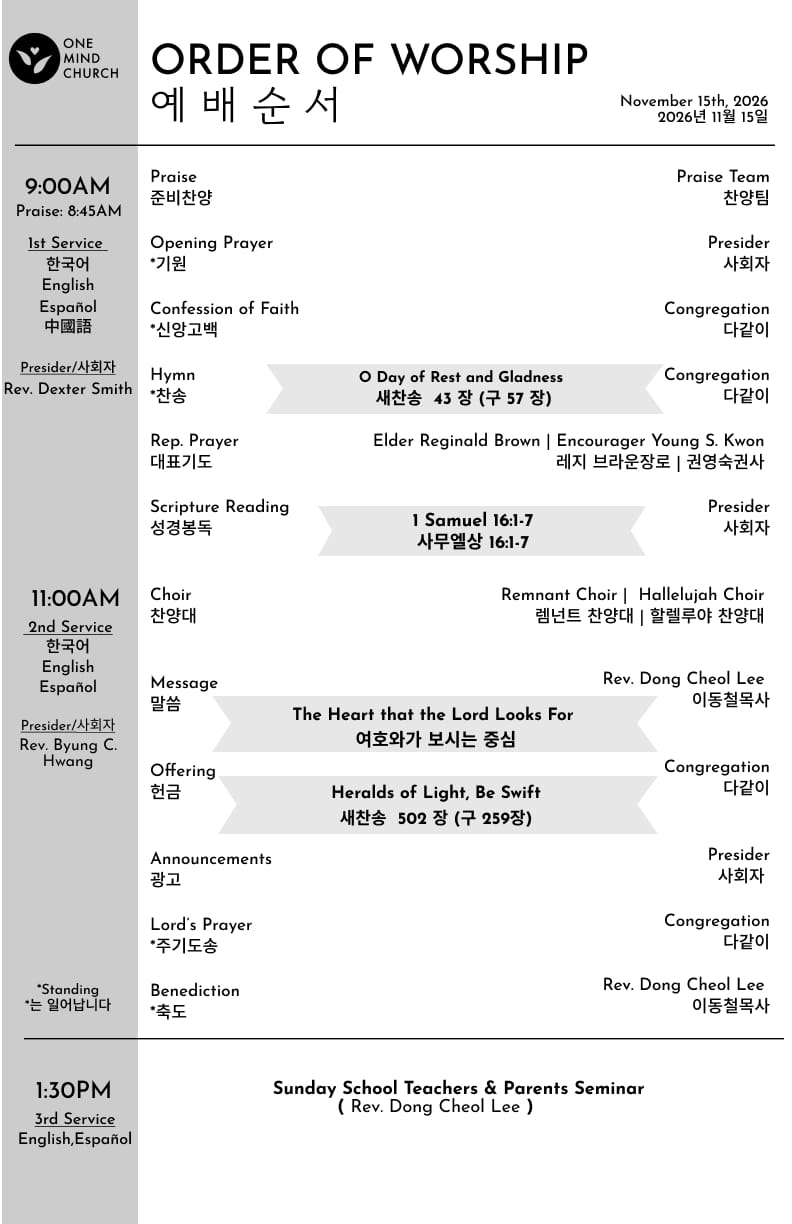
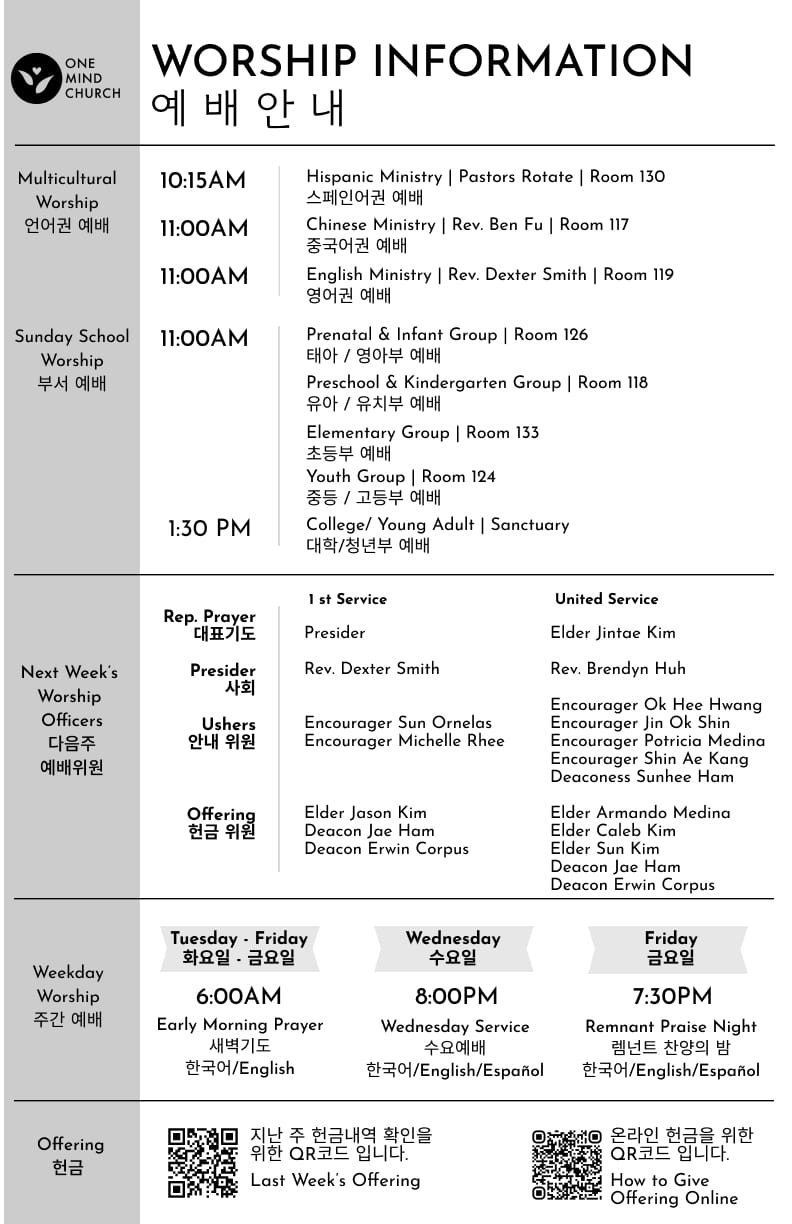
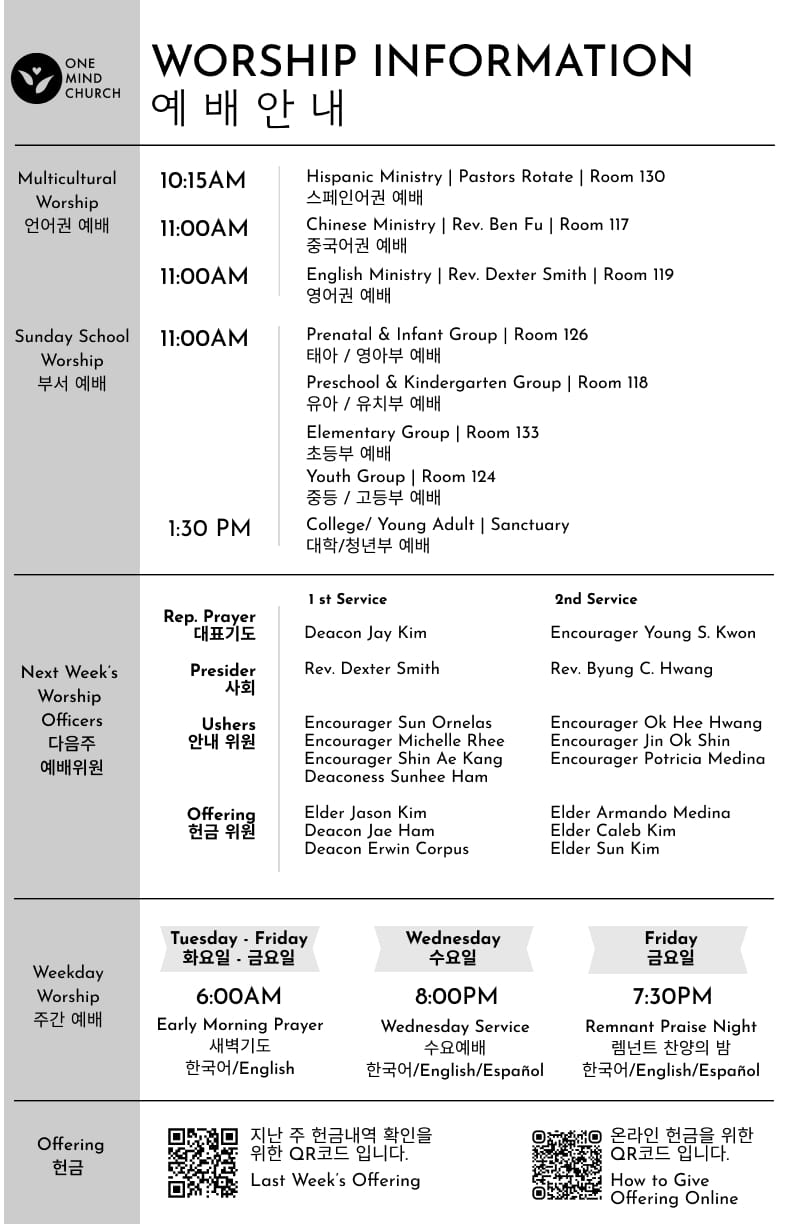
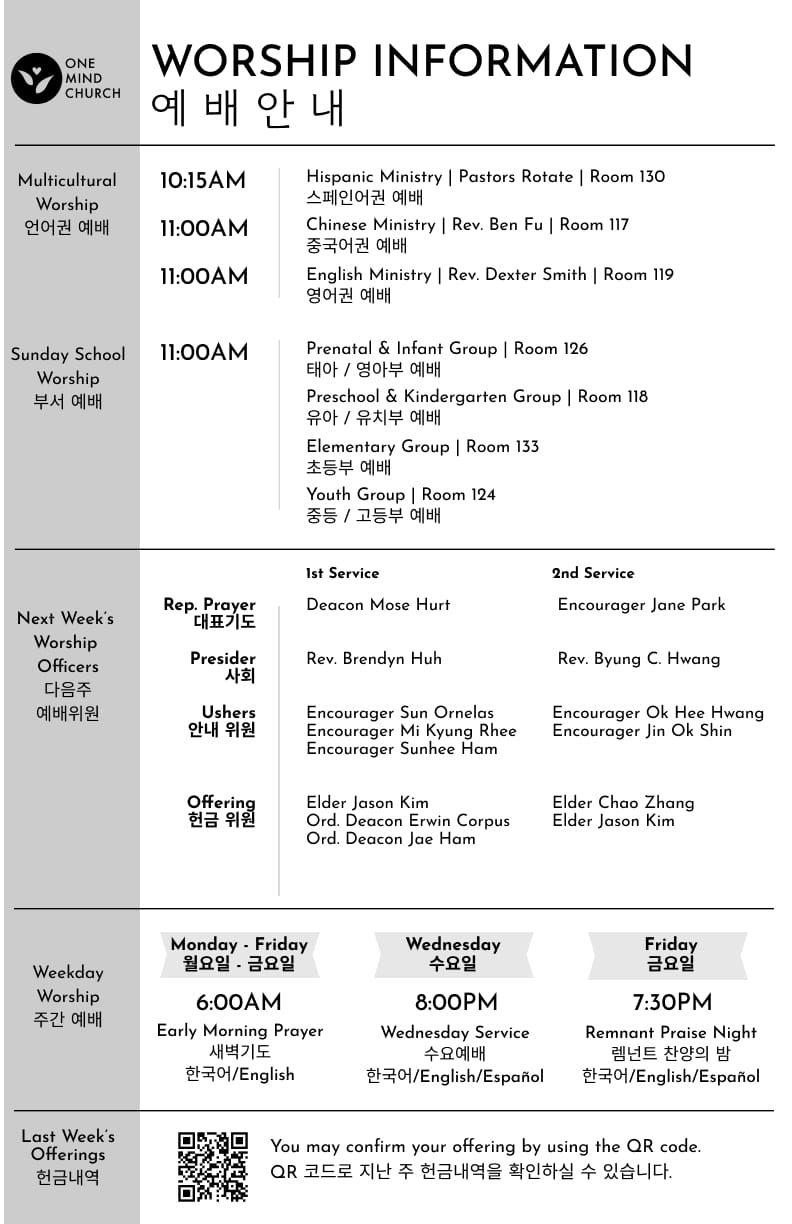
Our church offers language-based ministries for different cultural communities, and age/grade-based ministries that support spiritual growth from prenatal infants through seniors.
Worship Times
Wednesdays at 8PM
Fridays at 7:30PM
Sundays at 9 & 11AM, 1:30PM
Sunday Interpretation:
English, Español, Korean, Chinese at 9AM
English and Español at 11AM
English and Español at 1:30PM
 AboutWhat Do We Believe?
We believe God is sovereign over all, with Jesus at the center, calling us to live by His Word and share the gospel through the Spirit.
Our Schools
Gospel centered education for children and youth ages 2+
Our church offers Summit Pre-school and Saturday Summit School to raise our children as global leaders with spirituality, character, and specialty.
Saturday Summit School › Summit Pre-School ›


Give
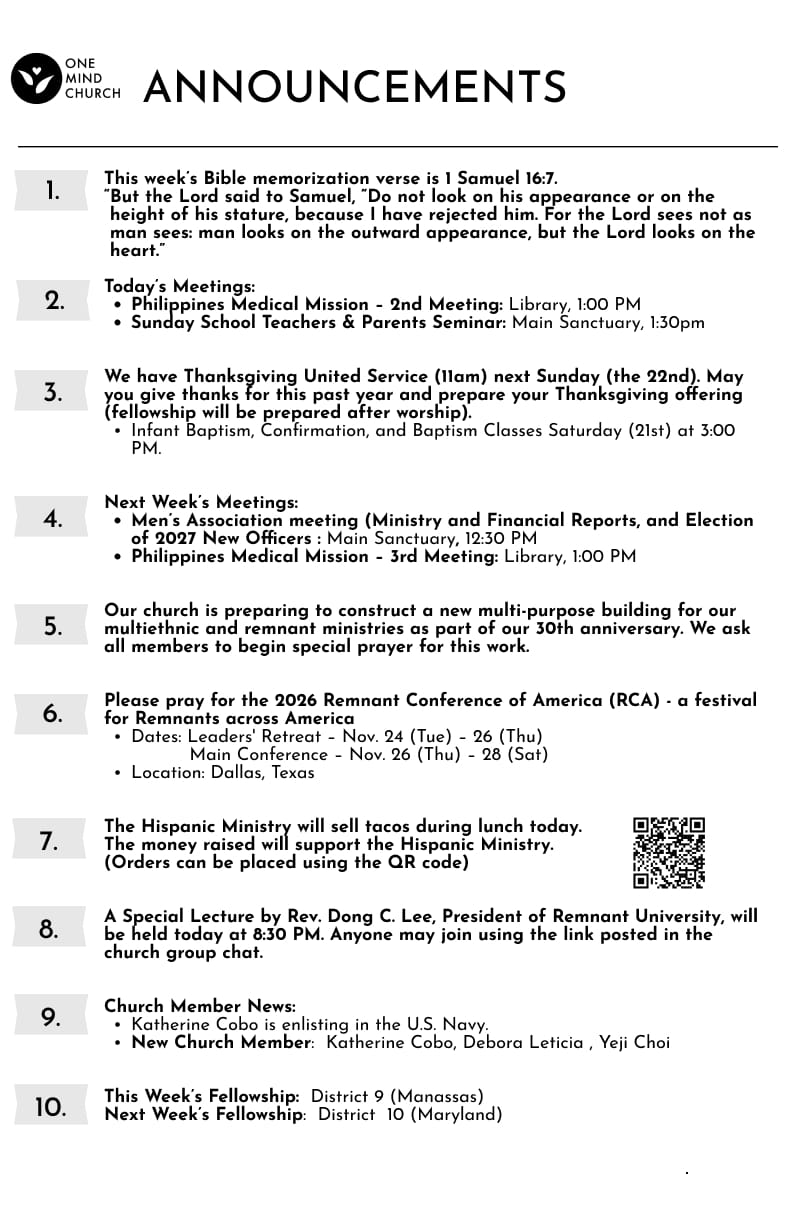
Your offering will be used locally and globally for the work of the Kingdom of God.
“Where your treasure is, there your heart will be also.” Matthew 6:21
Give Online › Give via Mail ›