English
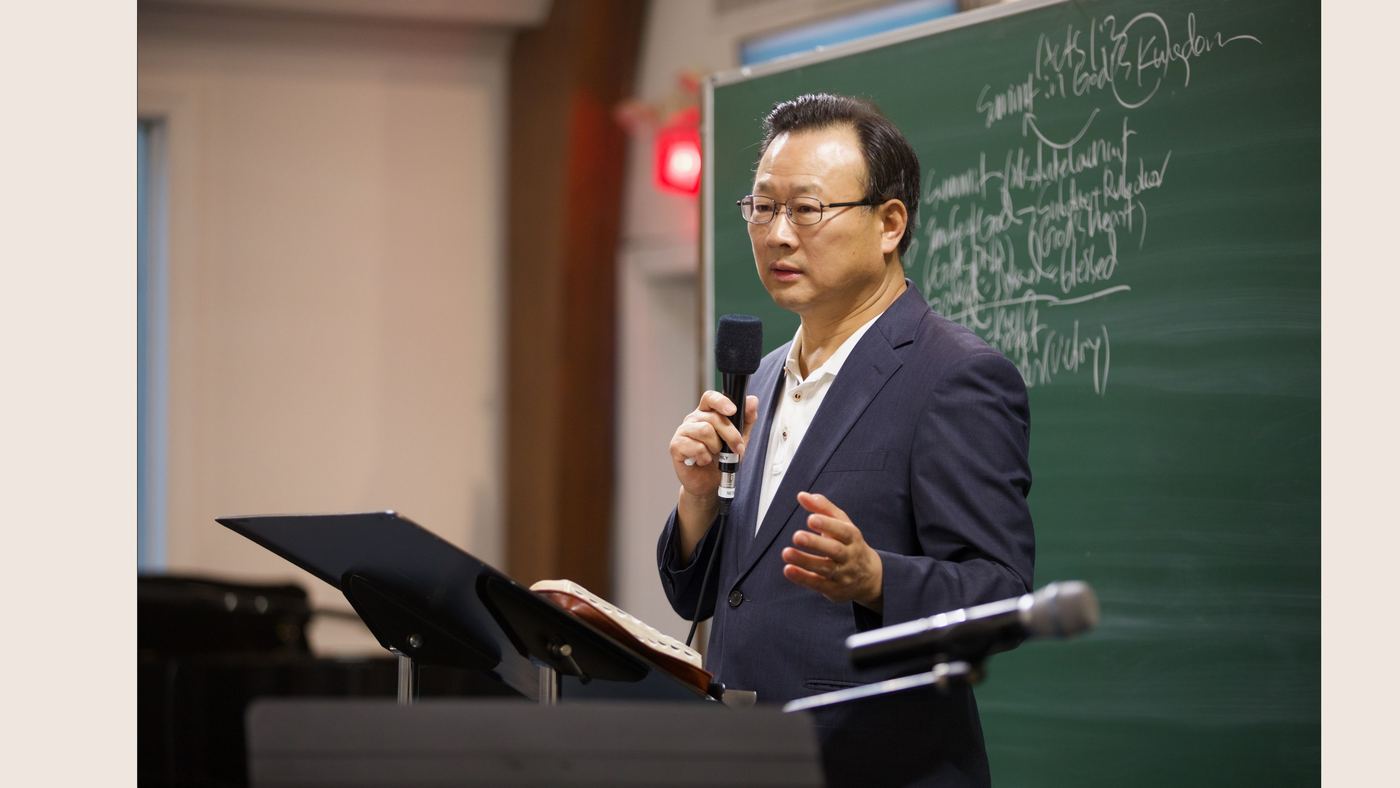
The Blessings Contained in the Covenant of the Twelve Tribes (Judges 21:13–17) 7/12/2026
The Book of Judges records how the people who lost hold of God's covenant failed and came to be trampled even by the Gentiles (the unbelieving world). Chapters 17 through 21 describe how deeply Israel fell into corruption and utter ruin after Samson. Every household made its own idols, hired Levites as private priests, fought one another over them, and even became more sexually depraved than Sodom and Gomorrah in Genesis 19, with same-sex relations becoming commonplace. In the end, they even used these matters as a pretext to wage war against one another. Eventually, the tribe of Benjamin faced complete destruction (Galatians 5:15). Today's passage shows the people finally regretting what had happened and seeking to restore the tribe of Benjamin.
How did God's people become this way? Why was it necessary to restore the tribe of Benjamin?
The Bible says, 'There is nothing new under the sun.' The same things are repeated in every age, and today the situation is even more serious, just as Scripture prophesied.
When the Israelites worshiped idols, they had not completely abandoned God. Rather, they attempted to worship God while also worshiping idols. This is called religious syncretism. Today, the world has even progressed toward a movement for religious unity. The Bible calls this apostasy—a departure from the gospel (2 Thessalonians 2:3)—and says it follows the teachings of demons (1 Timothy 4:1). Some large churches and denominations in America have gone so far as to remove Theological Seminary from denominational approval because it does not affirm same-sex marriage.
What, then, does God desire in these last days? The answer is clear. The Spiritual Battle, and the movement that restores that the Bible alone is God's Word and the movement that restores the gospel that Christ alone is our Savior. The devil fears nothing except God's Word and the gospel. Churches that proclaim this will continue to face persecution, but God has promised to protect them, give them victory, and bless them as the remnants of their generation (Mark 10:29–30).
Why did God continue to restore the tribe of Benjamin even during the corrupt age of the Judges? The twelve tribes of Israel are not merely a Jewish genealogy. They represent the lineage of the remnant whom God chose and saved throughout the Old Testament.
Likewise, in the New Testament age, there remaining ones chosen by grace (Romans 11:5). They are the Remnants. Scripture describes them as the 144,000 descendants of the twelve tribes (Revelation 7:1–12), while also teaching that they are found among every nation (Revelation 7:9).
- How important are these 144,000 Remnants?
1) They are the number of people chosen according to God's absolute plan. God chose Abraham, made a covenant with him, and blessed him for this very purpose (Genesis 12:1–3) It said that all the peoples of the earth would receive salvation through him. We too are included in that promise. Christ came as Abraham's descendant, and all who are saved in Christ become Abraham's spiritual descendants and share in the same blessing (Galatians 3:14, 3:29).
2) When Joseph's descendants lost hold of this covenant, they became slaves in Egypt under unbelievers. After Joshua, the Israelites who lost the covenant continued to be oppressed by the Canaanites. That is the history of the Book of Judges. Eventually Israel lost the covenant and was taken into captivity. Yet after seventy years, God brought them back.
This demonstrates God's unfailing covenant love ('hesed') toward His chosen people. No matter what hardships, crises, persecution, or failures you face, restore your confidence in God's love, rise again, and begin anew.
3) Why must believers be united in the covenant of the gospel and in the covenant of Christ?
①Because they are God's army in the last days, called to fight against the forces of darkness.
Satan will use every possible means to destroy individuals, churches, and the global church (Revelation 12:12). Yet Christ, the King of kings and Lord of lords, will fight alongside His people, and therefore they will overcome (Revelation 17:14).
② While some in the last days bear the mark of Satan (Revelation 13:18), God's people bear God's seal (Revelation 7:4). This means that when we hear and believe the gospel of Christ, the Holy Spirit seals us (Ephesians 1:13–14). They will follow Christ to the end (Revelation 14:4) and protect their faith in Christ until the end (Revelation 14:12).
- What should we do in these difficult times? This is our mission, but more accurately, it is God's mission, and the Holy Spirit will help us. Be used by God in restoring the eternal covenant people, the twelve tribes, who have been chosen according to His absolute covenant.
1) First, we ourselves must stand as the remnant in this generation. No matter what others say, those who hold firmly to the mystery of only Christ belong to the lineage of God's covenant people.
① Who is Christ? He came in human flesh and endured every suffering, shame, and pain that humanity could experience. Through His own life and blood, He accomplished eternal redemption (Hebrews 9:12) and made us children of God (Ephesians 1:3–5). The moment we receive Christ, His eternal life dwells within us, and no one can snatch us out of His hand (John 10:28).
② The Father entrusted those who enjoy this blessing to Christ His Son. The Father has given us to Christ (John 6:37), and He Himself draws us to Christ (John 6:44).
③ The Holy Spirit protects, guides, and blesses those who have been saved. Whenever we hold to God's Word, He reminds us of God's promises and enables us to understand them (John 14:26). As we believe God's Word, the Holy Spirit works powerfully (1 Thessalonians 2:13), and our lives become a testimony. Whenever we pray while holding to God's covenant, the power of God's heavenly throne is revealed (Revelation 8:4). Works that transcend time and space and works that are unprecedented take place. Therefore, even our smallest prayers, acts of devotion, and labors become God's masterpieces and leave lasting spiritual monuments.
2) While enjoying these blessings, we must seek the remnant in the places where God has sent us.
① There are certainly those whom God prepared before the ages, and they will believe and be saved (Acts 13:48). They become part of the twelve tribes. Our evangelism is used by God for this purpose. It is not merely sharing the gospel, it is participating in the completion of the number of God's eternal people.
② After that, the end of the world will come, and Christ will return. This work is connected to the end of history and God's new time schedule. There is no greater blessing than being used in God’s history. For this reason, God turns everything into a testimony (Acts 1:8). Therefore, nothing is more important or more urgent than proclaiming the gospel and leading God's chosen people to the Lord.
3) We must now seek the remnants throughout the whole world.
①Even if darkness grows deep, when we know the mystery of Christ, arise, and shine, nations and kings will come to that light (Isaiah 60:1–3). Our fallen future generations will return, and the wealth of the nations will come as well (Isaiah 60:4–5).
② An intense spiritual battle is taking place throughout the world, and those engaged in missions are God's hidden card for this generation. The gospel, hidden before the ages but now revealed to us, is to be proclaimed so that all nations may believe and God's will may be fulfilled (Romans 16:25–26).
Conclusion - We are included in the blessings of the twelve tribes, the lineage of God's eternal covenant. Therefore, we are precious in His sight and are God's hidden card for this age.
7.12.26 The Blessings Contained in the Covenant of the Twelve Tribes
The Blessings Contained in the Covenant of the Twelve Tribes (Judges 21:13–17) Judges 21:13–17Believers Who Enjoy the Blessing of the Holy Spirit (Acts 2:1–4) 7/5/2026
The term "Maekchujeol" (Feast of Barley Harvest) comes from a Chinese-derived Korean expression. This word does not appear in the original Hebrew text. In Hebrew, the biblical name refers to the Feast of Harvest(Leviticus 23:10), the festival celebrating the first harvest offered to God in thanksgiving. Since this festival occurred during the barley and wheat harvest, however, it came to be commonly called "Feast of Barley Harvest" in Korean. This is also why we offer a special thanksgiving offering during this season—to express gratitude for all the grace and answers God has given us throughout the first half of the year.
As we know, this feast also prophetically foreshadowed and was fulfilled as one of the greatest spiritual blessings related to our salvation. On Passover, the day Israel was delivered from 400 years of slavery through the blood of the lamb, Christ died on the cross. Seven weeks after Passover came the Feast of Weeks (Exodus 34:22; Deuteronomy 16:9), and because it occurred on the fiftieth day, it became known by the Greek name Pentecost, meaning "fiftieth." This is why today's passage says, "When the day of Pentecost had fully come."
The most important truth is that on that day, God poured out tremendous blessing upon all His redeemed people. The Holy Spirit came upon all believers. Verse 2 says, "A sound like the blowing of a violent wind came from heaven." Verse 3 says, "They saw what seemed to be tongues of fire that separated and came to rest on each of them." The work of the Holy Spirit is described through the power of wind and fire. Wind drives everything away, and fire burns up and consumes everything. For this reason, many scholars explain that the power of the Holy Spirit ends our weakness, heals our wounds, overcomes our failures, removes our helplessness, and makes all things new.
This is why those who have been saved must continually experience the power of the Holy Spirit. Although our souls have been saved and we possess eternal life through Christ, weaknesses, wounds, and limitations still remain within us. Through the blessing of the Holy Spirit, all of these things are overcome, and everything becomes new. May this week be a time when we hold firmly to this covenant, earnestly seek the blessing of the Holy Spirit above all else, personally experience His work, and fully enjoy His presence.
- Why was this blessing of the Holy Spirit poured out especially upon the New Testament Early Church (Mark's Upper Room)? The Old Testament also records many people who experienced the Holy Spirit and were greatly used by God. So what is different?
1) In the Old Testament, the Holy Spirit came only upon certain individuals. The Spirit came upon those whom God had specially set apart—priests, prophets, and kings—for the sake of His people. But Christ came to open the way of salvation for everyone and to enable all believers to enjoy the blessing of the Holy Spirit. That is why Scripture calls every believer "a royal priesthood" (1 Peter 2:9).
Every Christian today is a royal priest. May each responsibility God has entrusted to you become your greatest blessing through the power of the Holy Spirit.
2) In the Old Testament, the Holy Spirit departed when God's assignment was finished or when people sinned. When Samson became lost with Delilah and lost hold of God's covenant, the Spirit departed from him, and he became powerless (Judges 16:20). King Saul also lost the Holy Spirit when he became proud and disobedient before God, and an evil spirit tormented him (1 Samuel 16:14). However, Jesus promised that the Holy Spirit would never leave those who are saved through Christ (John 14:18). When we fail, the Holy Spirit is grieved, but He does not abandon us (Ephesians 4:30). Instead, He continually intercedes for God's people with groanings too deep for words and works until the end to restore us (Romans 8:26).
3) In the New Testament, the Holy Spirit blesses every believer so that everything becomes God's masterpiece. The Spirit does far more than simply save us personally. He uses us to revive the church, transform our fields, and impact future generations. This is the 300% blessing.The believers gathered in Mark's Upper Room experienced the Holy Spirit as wind and fire and became the founders of the Early Church. Their success was not based on education, social status, or human ability. They simply believed in Christ and experienced the power of the Holy Spirit. Through them, entire regions and nations were transformed. They saved their future generations and the future, and passed the gospel down until it reached us today.
- How can we experience and enjoy the blessing of the Holy Spirit? There are three essential truths we must understand and enter into.
1) Open your eyes first to spiritual reality. The visible world is not all that exists (Hebrews 11:3).
① Before the physical universe was created, the spiritual world already existed, including fallen spiritual beings (Genesis 1:2). God created us in His image so that we could understand spiritual reality and enjoy spiritual blessings (“spirituality”).
② Throughout Scripture, many of God's people were deceived because they lost hold of this spiritual reality (Adam, Job, Peter, and Ananias and Sapphira). But whenever God's people awakened to spiritual truth and experienced the Holy Spirit, they changed the world (Paul, whose spiritual eyes were opened in Acts 9).
2) The Holy Spirit already dwells within every child of God who has accepted and has received Christ.
① This is what it means to be a saint. It does not simply mean someone who no longer sins or has already become perfectly holy. It means that the Holy Spirit dwells within us (1 Corinthians 3:16).
② There is a fundamental reason why the Holy Spirit lives within us. He remains with those saved through Christ, seals them, and becomes the guarantee of their salvation (Ephesians 1:13–14). The phrase "sealed" means that God has placed His mark of ownership upon us. The phrase "guarantee" means that He assumes full responsibility for bringing our salvation to completion. Therefore, do not waver, and no matter what persecution comes, never betray or abandon your faith in Christ. The Holy Spirit will strengthen and help you.
- How does the Holy Spirit help us? This reveals the absolute reason He dwells within us. When Jesus completed our salvation and before He ascended to the throne, He promised that the Father would send the Holy Spirit.
① The Holy Spirit will guide our path from within us. How does He guide us? Through God's Word. That is why He is called the Spirit of Truth (John 14:17). Jesus said the Holy Spirit teaches us and reminds us of the Word (John 14:26). Seek the Holy Spirit's help whenever you hear God's Word. Pray for this before every worship service. Believe in the Holy Spirit’s presence as the Word is preached (Acts 10:44). When believers seek the Spirit's help while holding on to God's Word, the Holy Spirit leads them accurately along their path (absolute journey).
② The Holy Spirit works throughout every area of our lives. When does He work? When we believe God's Word. When God's Word came to hopeless Israel lying like dry bones, they rose up and became God's mighty army (Ezekiel 37:1–10). When God's people receive the life-giving water flowing from the temple, that is, the Word proclaimed from the pulpit, individuals are revived, creation is restored, and the world is healed (Ezekiel 47:1–12). The believers in Acts devoted themselves to Peter's Spirit-filled teaching, fellowship, breaking bread, and prayer, and through these things many were saved (Acts 2:42). That is why Paul said God's Word works when we receive it not as human words, but as the very Word of God (1 Thessalonians 2:13). The Holy Spirit heals our hidden wounds, personal problems, and weaknesses, and then uses us to bring life to the world (Absolute Guidepost).
③ The Holy Spirit reigns and demonstrates the power of God's heavenly throne within us. When does this power come? When we meditate on God's Word and pray. At that moments, the forces of darkness that continually tempt us, discourage us, fill us with despair, anger, and fear are broken. The lies of Satan that convince us we are powerless and that God's work is impossible are destroyed. Then, faith arises that God Himself will accomplish His work (Zechariah 4:6; Mark 9:23; Philippians 4:13). This is the manifestation of the Holy Spirit's power (absolute bartizan). Through the power of this absolute bartizan, God desires to use us for the evangelization of America and of the world. Verse 4 says that the Holy Spirit enabled the believers to speak in other languages(15 nations). The power of the Holy Spirit even transcends the barriers of human language.
Conclusion - Long for the Blessings of the Holy Spirit, and enjoy the blessings of the Holy Spirit (1 Corinthians 3:1). Everyone who is in Christ has already become a person who will enjoy these blessings.
Believers Who Enjoy the Blessing of the Holy Spirit (Acts 2:1–4) Acts 2:1–4성령의 축복을 누리는 성도(행2:1-4) 7/5/2026
맥추절(출23:16)이라는 말은 한자에서 온 단어이고, 히브리어 원문에 나오는 단어는 아니다.
본래는 농사를 짓고 첫 수확을 해 감사를 드린 첫 수확의 절기(Feast of Harvest)라고 했다(레23:10).
다만 그 시기가 보리와 밀을 거두며 감사들 드린 절기이기에 “맥추절”이란 단어로 번역을 한 것이다.
한 해의 상반기 동안 하나님이 주신 모든 은혜와 응답을 감사하며 특별한 감사의 헌금을 드리는 이유도 이것이다.
이 절기는 우리가 잘 알듯이 우리의 구원과 관계된 중요한 영적 축복이 예언되고 성취된 것이다.
이스라엘 백성들이 어린 양의 피를 뿌리고 400년 저주에서 해방된 날인 유월절에 그리스도께서 십자가에 죽으셨다. 이 유월절에서 칠 주가 지난 해에 지킨 절기이기에 칠칠절(출34:22, 신16:9)이라고도 했고, 그 날이 50일째 되는 날이기에 헬라어의 “오십일”이라는 뜻의 오순절이라고 부른 것이다. 본문에 오순절이 그래서 사용한 단어이다.
중요한 것은 이 날 하나님은 구원받은 모든 백성들에게 어마어마한 축복을 주셨다는 것이다.
하나님의 성령이 모든 백성에게 임했다는 것이다. 2절에 “하늘로부터 급하고 강한 바람 같은 소리가 임했다”고 했다. 3절에는 “각 사람에게 불의 혀같이 갈라진 것이 임했다”고 했다. 성령의 역사를 바람과 불의 능력으로 설명한 것이다. 바람은 모든 것을 밀어내고, 불은 모든 것을 태워 소멸시키는 것이다. 그래서 학자들은 성령의 능력을 우리의 연약함, 상처, 실패, 무능, 이 모든 것을 끝내고, 치유하고, 새롭게 하는 능력이라고 했다.
구원받은 자들이 이 성령의 능력을 계속 체험해야 하는 이유가 이것이다. 그리스도로 영혼은 구원받고, 영원한 생명을 얻었는데, 여전히 내 안에 연약함, 상처, 무능이 남아있기 때문이다. 성령의 축복으로 이 모든 것이 끝나고, 모든 것이 새로워진다. 이 주간에 이 언약을 붙잡고, 성령의 축복을 최고로 사모하고, 체험하고, 누리는 시간이 되기를 축복한다.
- 이 성령의 축복이 특별히 이 신약의 초대 교회(마가 다락방교회)에 임했던 이유가 무엇일까?
구약에도 성령의 축복이 임하여 하나님께 중요하게 쓰임 받은 사람들이 많다. 무엇이 다른 것인가?
1) 구약에는 이 성령의 축복이 특별한 사람에게 임한 것이다.
그 시대에 백성들을 위해 구별된 제사장, 선지자, 왕들에게 임했다. 그러나 그리스도께서 오셔서 모든 사람들이 구 원받는 길을 열어주시고, 이 축복을 누리게 하셨다. 그래서 모든 성도들을 “왕 같은 제사장”이라고 했다(벧전2:9)
모든 성도가 이 시대 왕 같은 제사장이다. 각자 받은 직분이 이 성령의 능력으로 최고의 축복이 되게 만들라.
2) 구약에는 이 성령의 축복이 하나님의 일이 끝나거나 그들이 범죄할 때는 성령의 축복이 떠났다.
지난 주의 삼손도 여인에게 빠져 언약을 놓칠 때, 성령이 떠나고 아무 것도 할 수 없는 존재가 된다(삿16:20).
사울 왕도 하나님 앞에 불순종하고 교만에 빠질 때 성령이 떠나고 악신에 시달리게 된 것이다(삼상16:14).
그러나 이제 그리스도 안에서 구원받은 자들에게 성령은 결코 떠나지 않는다(요14:18). 우리가 실패할 때 성령은 근심하시나 떠나지 않는다(엡4:30), 주의 백성을 위해 탄식하며 기도하면서 끝까지 우리를 살리신다(롬8:26).
3) 신약 시대에 이 성령은 모든 성도들을 축복해서 모든 것이 하나님의 작품이 되게 하신다.
나를 살리는 정도 아니다. 교회를 살리고, 현장을 살리고, 미래를 살리는 증인으로 쓰여졌다. 300%의 축복이다.
본문에 이 불과 같고, 바람 같은 성령의 능력을 체험한 마가 다락방의 성도들이 초대 교회를 세운 것이다.
그들의 지식, 세상적 배경, 능력이 아니었다. 오직 그리스도를 믿고, 성령의 능력을 체험한 사람들이다.
이들이 자기들이 사는 지역, 나라의 현장을 살렸다. 이들이 후대와 미래를 살려 그 복음이 우리에게 온 것이다.
- 이 성령의 축복을 어떻게 체험하고 누릴 수 있을까? 반드시 세가지 사실을 알고, 그 축복 속으로 들어가라.
1) 영적인 사실부터 눈을 뜨라. 눈에 보이는 육의 세계만이 모든 것이 아니다(히11:3)
① 눈에 보이는 육의 세상이 있기 전에 영적 세계가 창조되었고, 거기에 타락한 영들이 있었다(창1:2)
우리를 하나님의 형상대로 지은 이유가 이 영적 사실을 알고, 영적 축복을 누리게 하심이다(“영성”)
② 성경에 하나님의 사람들이 이 영적 사실을 놓치고, 속고 당했다(아담, 욥, 베드로, 아나니아 삽비라)
영적인 사실에 눈을 뜨고, 성령의 축복으로 다시 일어날 때는 세상을 치유하고 바꾼 것이다(행9장의 소경된 바울).
2) 그리스도를 알고, 그리스도를 영접하여 하나님의 자녀된 자들 안에 이 성령이 이미 함께 하신다.
① 성도의 의미가 그것이다. 단순히 죄 안 짓고, 당장 거룩해졌다는 뜻이 아니다. 성령이 거하신다는 뜻이다(고전3:16)
② 이 성령이 내 안에 거하시는 가장 근본적인 이유가 있다.
그리스도로 구원받은 우리 안에 함께 하셔서 내 안에 인을 치시고, 구원의 보증이 되신 것이다(엡1:13-14)
“인을 치셨다”는 말은 증거를 남기셨고, “보증이 되셨다”는 말은 끝까지 책임진다(Guarantee)는 뜻이다.
그래서 흔들리지 말고, 어떤 핍박에서도 그리스도에 대한 믿음을 배신하고, 포기하지 마라. 성령이 도우신다.
2) 어떻게 도우시는가? 성령이 내 안에 거하시는 절대적인 이유이다.
예수님이 우리의 구원을 이루시고, 보좌로 가시기 전에 약속하셨다 아버지께 구하여 성령을 보내신다는 것이다. ① 성령이 내 안에서 나의 길을 인도할 것이라고 했다. 어떻게 인도하시는가? 말씀을 통해서이다.
그래서 그 분을 진리의 영이라고 했다(요14:17). 우리에게 말씀을 가르치시고, 생각나게 하신다고 했다(요14:26).
성령의 도우심으로 말씀을 들으라. 예배 전에 이것을 기도하라. 말씀을 들을 때에 성령의 임재를 믿으라(행10:44) 그리스도 안에 있는 성도가 성령의도우심을 구하며, 말씀을 붙잡을 때, 성령이 정확히 길을 인도하신다(절대 여정)
② 성령이 내 안에서 나의 모든 삶 속에 역사하신다. 언제 역사하시는가. 말씀을 믿을 때이다.
아무 소망 없이 무너진 이스라엘에게 말씀이 임할 때 그들이 일어나고, 하나님의 군대로 바뀐다(겔37:1-10).
성전 아래서 흘러나오는 물, 강단의 말씀을 잡을 때에 개인도 살고, 만물도 살고, 세계를 치유한다(겔47:1-12)
이 성령에 붙잡혀 전하는 베드로의 말씀을 붙잡고, 교제하고. 떡을 떼고, 기도한 것이 모두를 살린 것이다(행2:42)
그래서 강단의 말씀을 사람의 소리로 듣지 않고, 하나님의 말씀으로 받아 믿을 때에 역사한다고 했다(살전2:13)
숨겨진 상처, 문제, 연약함을 성령이 치유하시고, 세상을 살리게 하시는 것이다(절대 이정표).
③ 성령이 내 안에서 나를 다스리시고, 보좌의 능력을 보이신다. 언제인가? 말씀을 묵상하고, 기도할 때이다.
내 마음과 생각을 건드려 계속 유혹, 낙심, 절망, 분노 속에 빠지게 하는 어둠의 영, 권세들이 이때 무너진다.
스스로 무능하다는 생각에 빠지고, 불가능하다는 불신앙에 빠지게 하는 사단의 세력들이 이때 무너진다.
그때 하나님이 하실 것이라는 믿음이 생긴다(슥4:6, 막9;23, 빌4;13). 성령의 능력이 나타나는 것이다(절대 망대)
이 절대 망대의 능력으로 하나님은 우리를 사용해서 미국 복음화, 세계복음화를 하시겠다는 것이다.
4절에 성령이 말하게 하심을 따라 다른 언어로도 말하게 하셨다(15개국). 성령의 능력은 언어도 뛰어 넘게 하신다.
결론-성령의 축복을 사모하고, 성령의 축복을 누리라(고전3:1). 그리스도 안에 있는 자가 이 축복을 누릴 자격자가 된 것이다.
Pulpit Message for Download Pulpit Message for DownloadPulpit Message for Download
성령의 축복을 누리는 성도(행2:1-4) 7/5/2026 July 5, 2026God Raises Us Up Again (Judges 16:28–31) 6/28/2026
This is the final message on Samson. We have reflected on how God set Samson apart, how He blessed him, and how He enabled him to overcome his enemies. Through Samson's blessed life, God revealed His own glory and delivered the suffering nation of Israel. In the same way, God has set us apart, desires to bless us, and helps us live victoriously as His redeemed people in this age.
Sadly, however, Samson, who had been used so greatly by God, failed and suffered devastating humiliation. Deceived by Delilah, he fell completely. This was not merely Samson's disgrace; it also brought dishonor to God's glory.
At this point, we must ask an important question: Since Samson disappointed God so greatly and became seemingly useless, should God have discarded him?
Although Samson's own sinful choices led him into shame before his enemies, God never abandoned or gave up on him. In verse 28, when Samson cried out to God in prayer, God granted him one final opportunity. God restored his strength, enabling him to destroy more Philistine rulers and people than he had during his entire life (v. 30). Then the account of Samson concludes by reminding us that he had served as Israel's judge for twenty years (v. 31).
Why does Scripture repeatedly record stories like this? What is God teaching us through these events?
When the Bible records Israel's failures in the wilderness, it tells us that these things were written as warnings for those living in the last days. "If you think you are standing firm, be careful that you don't fall" (1 Corinthians 10:11). We are also told to remain spiritually alert because we never know how Satan may attack us (1 Peter 5:8). But there is an even deeper message. God is showing us how He raises up those whom He has established as His covenant people.
- Through these events, God reveals who He is.
1) God reveals Himself as the Creator and Sovereign Lord of all creation. The Bible teaches that after creating everything, God left His heart and fingerprints inside all creation (Romans 1:20). He created all things to praise Him, and He created mankind to rule over creation according to His will.
① God created mankind within the eternal purpose of the Triune God (Genesis 1:26). Human life has always existed within God's absolute plan.
② He placed His own image within humanity so that we might exercise dominion over creation (Genesis 1:27). He entrusted us with His absolute authority. Though our physical bodies were formed from the dust, God breathed His own breath into our spirits. This became "life" (Genesis 2:7).
③ Then God blessed mankind. "Be fruitful and multiply; fill the earth and subdue it. Rule over it." (Genesis 1:28) Human beings were created within God's blessing from the very beginning. Yet all of these blessings were lost through the Fall (Genesis 3). A person who loses God's purpose for life no longer knows where he came from, why he lives, or where he is going. Humanity lost God's heart, His character, and His image. As a result, mankind continues to fall deeper into corruption, and darkness fills the earth. Life became filled with suffering, curse, and ultimately hell. To restore what had been lost, God promised the coming of Christ.
2) In Christ is God's unfailing promise of love toward humanity. God promised that the offspring of the woman would crush the serpent's head (Genesis 3:15). This pointed to God Himself coming in the form of His Son. To cover Adam and Eve's shame and fear, God killed an animal and clothed them with garments of skin (Genesis 3:21), giving them the promise of atonement (Hebrews 9:12).
① Within this, is God’s love that cannot give up on our lives. And within this promise, are both Samson and us. In the Old Testament, this is the meaning of the Hebrew word hesed. It is covenant love that refuses to abandon its object because of God's promise. Our English Bibles often translate this as God's "steadfast love" or "loving kindness" (Psalm 136), but the richness of the word goes far beyond those expressions.
② Although the first Israel (Jews) even participated in putting Christ to death, God did not cast them away. It is because God had already made a covenant with them (Romans 9:4). This is one reason some interpret the "ends of the earth" in God's redemptive plan as ultimately including Israel. Likewise, Christ faithfully leads His redeemed people to the very end and completes their salvation (Philippians 1:6; Romans 8:31–39). Theologically, this doctrine is known as “the perseverance of the saints,” a central conclusion emphasized by John Calvin during the Protestant Reformation.
- What is God continually doing through Christ today?
1) He plants the covenant of salvation within us. Evangelism is delivering this covenant (Romans 10:14–15). Evangelism is far more than simply bringing someone to church. It is planting Christ's covenant into the hearts of people wandering without answers, crushed by sin, bound by destiny, and living under the curse leading to hell.
2) The Holy Spirit works within us so that we do not lose this blessing. When we hear and believe the gospel of Christ, we are sealed with the promised Holy Spirit, who guarantees every spiritual blessing and our inheritance (Ephesians 1:13–14). Once we were without God and without His promises, but now we have become God's covenant people (Ephesians 2:19). Through God's Word, the Holy Spirit continually helps us understand, remember, and apply His promises (John 14:26).
3) God never ceases working even now to fulfill His covenant (Isaiah 62:6–7).
① God continually protects us, helps us, and fights for us. We call that the “absolute bartizan”.
② Even if we forget God or wander away from Him, He never loses us (John 10:29).
③ This is the conclusion and climax of David's confession in Psalm 23. It was a testimony born through unjust suffering, personal failure, and deep repentance. "Surely goodness and mercy (hesed) shall follow me all the days of my life, and I shall dwell in the house of the Lord forever." (Psalm 23:6) The word "follow" is especially significant. In Hebrew(rādaph), it means God relentlessly pursues or chases after us. Satan also pursues us in order to destroy us. But because the God of the covenant pursues us with even greater power, we overcome.
- When does God work in this way? These are blessings we must experience even in difficult circumstances, painful realities, and times of failure.
1) Spend deep, personal time with God. This is why we worship and meditate on God's Word. We must enter an age of meditation in our own lives. During those times, the Holy Spirit engraves God's covenant upon our hearts until it becomes deeply rooted and part of our spiritual nature. God fulfills everything He has promised. The pulpit messages become powerful when we receive them as God's promises (cf. Ephesians 2:13).
2) Have you failed like Samson and entered a season of suffering? Failure itself brings shame and pain without anyone needing to point it out. If there is sin to confess, confess it honestly before God and seek His forgiveness (1 John 1:9; Hebrews 8:12). If you have harmed someone else, seek to make restitution in whatever way is appropriate (Matthew 5:23-24, Matthew 5:25; Luke 19:8).
3) Repentance is not complete only by recognizing and stopping our mistakes. We must challenge a new beginning. Like Samson, though ashamed, seek God's grace and strength, and dream once again about what God desires to accomplish through the remainder of your life (v. 28).
Conclusion - God is the One who raises us up again and continues to use us until the very end. May this become the lifelong blessing that each of us experiences.
God Raises Us Up Again (Judges 16:28–31) Judges 16:28–31God Allows Victory (Judges 15:14–20) 6/21/2026
This is the third message on Samson "God allows victory." God's enabling us to overcome is one of the primary reasons Christ came to this earth, and it is a conclusive blessing that God's redeemed people must enjoy throughout their lives. When this blessing is not experienced, believers end up living like Israel in the Book of Judges, continually defeated, oppressed, and robbed by the world, unbelievers, and especially spiritual enemies. God raised up judges to restore this blessing. The victorious judges are models of Christ, who defeats His enemies. The believers who share in those victories and recover God's blessings illustrate the blessinfs we are to receive.
- How important is God's victory, and how fully has He guaranteed it?
1) The beginning and the end of Christ's earthly ministry centered on this.
① Christ first went through this before beginning His public ministry as the Son of God. After fasting and praying for forty days, Jesus was immediately tempted by Satan. Why was He required to pass through such a test first? Just as Adam represented all humanity, Christ came as the representative of all humanity (Romans 5:14; 1 Corinthians 15:45). The first Adam was thoroughly defeated through deception, but Christ, the Last Adam, demonstrated complete victory. He overcame through the living Word of God. This is why we must hold God's Word personally as His covenant to us.
② Another intense spiritual battle occurred at the Cross. On the Cross, Jesus experienced every form of mockery, shame, suffering, and curse that humanity could endure (Matthew 27:46). Even more painful was the betrayal of a beloved disciple with a kiss, while other disciples denied Him and fled. Scripture says Satan was actively working through them (John 13:27; Luke 22:31). Yet God permitted even these events. Satan likely believed he had won. Yet through that very Cross, the way of salvation was opened for all people (Hebrews 9:12).
③ Christ's final work is this. Until the very end, Christ remains our absolute bartizan to give us victory. If we do not give up, God will never give up on us. He continually intercedes for us and drives us to overcome (Revelation 17:14). The foundation of this victory is God's absolute love toward us in the absolute love (the Hebrew concept of hesed - "steadfast love" or "loving kindness").
2) God saved us so that we could enjoy this blessing and use it to save others
① Christ resolved the curse of original sin that began with Adam's fall (Romans 5:19). Adam committed the first sin, but the ultimate source behind sin was Satan, the fallen evil spirit. Salvation means being delivered from Satan (Luke 1:71) and freed from the power and consequences of sin (Luke 1:77).
② Not only that, we were transferred from Satan's dominion into the kingdom of God's beloved Son (Colossians 1:13–14). This means we have become God's children and gained the privileges that belong to His children. Therefore, we can enjoy every spiritual blessing in Christ (Ephesians 1:3–5).
③ Even now Satan deceives us (Ephesians 6:12). He is using his “schemes.” That is Satan’s 12 strategies. He deceives us to live by our own standards, worldly standards, fleshly standards, fatalism and generational curses, superstition, idols, and false religion. We must stop being deceived, stop losing ground, and instead enjoy victory and blessing in every problem and circumstance (last week pulpit).
- How can we experience this blessing? Samson provides a model.
1) First understand the true nature of spiritual warfare. The battle is not primarily ours. This is why people are deceived and defeated. This is God’s battle. Humanity, created in God's image, was His glory. That image fell. Now, God Himself fights for His glory. When we look upon God on his side.
① David's two confessions before facing Goliath. David declared. " “You come against me with a sword, with a spear, and with a javelin, but I come against you in the name of the Lord" (1 Samuel 17:45). This was faith in who God is and who Christ is. Then David proclaimed, "The Lord will deliver you into my hands... and the whole world will know that there is a God in Israel" (1 Samuel 17:46–47). This was confidence that God would destroy the enemy for His own glory and grant victory.
② Samson experienced the same. Scripture says, "The Spirit of the Lord came powerfully upon Samson" (Judges 14:19; 15:14). God knew humanity could not defeat evil on its own. Therefore, He sent His Son as the Christ, who crushed Satan's head through the Cross. The Holy Spirit now dwells within believers and continues working without ceasing (John 14:16).
③ Hold firmly to the truth that God is your absolute stronghold and defender (Isaiah 62:6–7). While we should recognize Satan's schemes seriously, we must view every battle through the eyes of faith, knowing victory has already been secured (1 John 4:4).
2) Then the Kingdom of God begins to manifest in us and in our field
① Jesus preached the Kingdom of God and healed those oppressed by Satan (Matthew 4:23). Do you have emotional wounds? Deep scars? Destructive habits? Chronic illness? Unless God has a specific purpose for allowing something (2 Corinthians 12:7–9), Christ has authority to heal and restore completely (Acts 10:38).
② This is Christ's primary work as King. Christ came to destroy Satan's authority and restore God's Kingdom that was lost through Adam (Matthew 12:28). He now rules over our minds, thoughts, bodies, lives, and future (Luke 17:21). Then, God's righteousness (His will) governs us, peace is restored, and joy returns (Romans 14:17). We must intentionally create times each day to acknowledge Christ as Lord and King through meditation and prayer.
3) Experience this blessing through meditation and prayer based on God's covenant with the power of the Holy Spirit. We now become immovable spiritual bartizan. God turns every circumstance into a masterpiece and monument.
① Samson defeated a thousand Philistines with the jawbone of a donkey and established a monument. He named the place Ramath Lehi ("Jawbone Hill"). The name became a testimony of gratitude and covenant remembrance. This teaches us that whatever we do( whether naming something, giving offerings, or serving we should do it as a memorial to God's grace).
② After victory, Samson became weary and thirsty. Even after doing God's work, believers may experience seasons of exhaustion. Samson prayed, and God caused water to spring forth. This was more than physical water. Samson named the spring En Hakkore ("Spring of the Caller" or "Spring of the one who cried out").God does not ignore or forget our prayer. Every prayer rises before His heavenly throne and returns as an answer in His perfect time.
Conclusion - Are you experiencing problems, despair, failure, or suffering? God is the One who allows His people to overcome. He is able to turn everything into a testimony of victory and a masterpiece of His grace.
God Allows Victory (Judges 15:14–20) Judges 15:14–20God's Blessing (Judges 13:24–14:4) 6/14/2026
If it is true that we have been saved and become God's children through His calling and election, then we should certainly enjoy God's blessings.
There are at least three reasons God desires to bless His children.
First, it is the privilege of being His child. We were not called as slaves but as children (Romans 8:15). A servant may do everything perfectly and still remain a servant. But a child remains a child even when lacking in many ways. Therefore, hold firmly to God's blessing.
Second, God blesses His children to uphold His own glory. When God's children live miserably, it reflects upon His honor. Scripture says that He created and saved us for His glory (Isaiah 43:21; Ephesians 1:6).
Third, God wants to use the answers and blessings we receive to save other people and the world. This is God's heart (John 3:16) and His conclusion (Acts 1:8). Even when their understanding of the gospel was incomplete, Jewish people taught their children to use what they had received to help, serve, and give life to others. (In Hebrew education, the concept of education is"dedication" or "offering.")
Before we can understand true blessing, we must remove our distorted view of blessing. What is a distorted view? Some focus only on material prosperity and worldly success. This leads to greed, secularism, and corruption.
Others reject material things and focus only on mental or intellectual matters. This was similar to the Gnostic heresy in the early church, which taught that everything physical was evil. As a result, some even drifted into angel worship. Some dismiss the present world entirely and only think about life after death. This can produce extreme end-time movements, cults, and even nihilism (as seen in the philosophy of Friedrich Nietzsche).
So what is the true blessing of God that we must enjoy? This is the Word we will share today. It is what Scripture calls "every spiritual blessing in the heavenly realms in Christ" (Ephesians 1:3). In other words, it is the blessing of fulfilling God's purpose. This is not a momentary blessing. It is a blessing experienced throughout one's entire life. Until the day God calls us home, our lives should become evidence of His blessing (as seen in Moses of Deuteronomy 34:7, David of 1 Chronicles 29:28, and Paul of 2 Timothy 4:6-8).
- God's blessing seen through Samson
1) God blessed Samson, who was born within God’s calling, from childhood (Judges 13:24).
① That is why the spiritual condition of parents when they conceive and the covenant they hold onto is important. Parents must first grasp God's covenant for themselves before passing it on to their children.
② This is the covenant God gave Abraham. "I will establish my covenant between me and you and your descendants after you throughout their generations for an everlasting covenant, to be God to you and to your descendants after you" (Genesis 17:7). Parents who hold onto this covenant pass it to their children. This is also the foundation behind infant baptism.
③ What is a covenant? A covenant is God's promise of His absolute love, absolute plan, absolute blessing, and absolute mission concerning my life and all creation. We must not be shaken regarding this covenant. David's lifelong confession reflected this truth: "Surely goodness and mercy shall follow me all the days of my life" (Psalm 23:6) If the Lord's "goodness" refers to His gracious love that compassionately cares for us, then His "lovingkindness" is the Hebrew word hesed, which means His unfailing covenant love—a love that never gives up on those with whom He has established His covenant.
Living within this covenant is called the journey of the covenant. Within that journey are the blessings of the bartizan and blessing of guidepost.
2) God guided Samson exactly according to His covenant (Judges 13:25). The same is true today. God has prepared the path we walk. This is reflected in Job's confession (Job 23:10).
① Do not worry or rely on human methods. If we truly seek God's kingdom and righteousness, He will provide what we need (Matthew 6:33).
② Do not be anxious about the future. Instead, pray for the guidance of the Holy Spirit. God will open the correct doors (Revelation 3:8).
③ God provides the right people at the right time. Whenever necessary for the fulfillment of His will, God sends people to help and guide us. Every person Joseph encountered eventually contributed to God's plan of bringing him to the palace and saving his generation. His brothers who sold him into slavery, Potiphar, the prison officials, and fellow prisoners were all part of God's prepared plan.
- There is an important model of growing in God’s blessing in the New Testament. This should be the educational goal of every parent, teacher, and pastor, as well as a prayer topic for anyone who wants to contain God's blessing.
It is the picture of Jesus in Luke 2:52. There are four characteristics that should be present in every person of God.
1) "Jesus grew in wisdom." What kind of wisdom is this? It is wisdom from God (Proverbs 2:6) and wisdom from above (James 3:17).
① Blessing of the Holy Spirit governing our hearts and minds. Only then, are we not deceived by Satan. This is God's wisdom.
② In the midst of problems, God's purpose becomes visible, and we receive strength to overcome them (2 Corinthians 12:9).
③ Wisdom for fulfilling God's purpose. Samson's victory over the Philistines began with such wisdom. He chose a Philistine woman as his wife. Not merely because of personal desire. Scripture says God was using the situation (Judges 14:4). Later, Samson presented a riddle to the Philistines. Through his wife, the Philistines manipulated the situation, but God ultimately used it to strike the Philistines. This was part of God's wisdom and plan.
2) "Jesus grew in stature." This refers to health and physical strength given by God. During childhood, parents must provide guidance and example, including healthy habits and discipline. As young people mature, they must learn to manage themselves. Without proper stewardship of health and time, a person may not only struggle with major responsibilities but may face lifelong difficulties.
3) "Jesus grew in favor with God." God's love for us does not begin because we first loved Him. He loved us first (1 John 4:10). The important issue is how we respond when God reaches out to us in love.
① Through our worship. This is expressed through worship (the meanings behind the Greek words proskuneo and latreia).
② Through our prayer. Prayer is not merely asking God for things; it is deep fellowship and communication with Him.
③ Through our evangelism and missions. This is serving the world with God's heart.. It is living for the salvation of others.
4) "Jesus grew in favor with people."
① When God's love dwells in us and we experience it personally, it naturally extends to people around us (1 John 4:12). We should begin by restoring gratitude for what we have received through others (parents, friends, church).
② This is how Christ demonstrated this love and fulfilled the Law through it (Romans 13:10).
③ Pray for, help, forgive, and patiently wait for those who are weak, broken, or even oppose you (Ephesians 4:32). Whatever we sow, give, and share will return as an eternal work of God (Galatians 6:7–9).
Conclusion - God desires us to enjoy His true blessings. May we become lifelong witnesses of God's blessing, demonstrating His wisdom, guidance, favor, and love to the world.
God's Blessing (Judges 13:24–14:4) Judges 13:24–14:4God's Distinction (Judges 13:1–7) 6/7/2026
When people think of Samson, the first thing that often comes to mind is his involvement with a woman named Delilah, how he lost sight of his calling, and the miserable period that followed. Why would such a person become a judge, a leader of God's people? Why does Scripture record such dark details so specifically? Samson's story is the longest account in the Book of Judges, and reflecting on it can make one's heart heavy.
As mentioned in last week's message, this is one of the purposes for which the book of Judges was written. The failures of Israel's people and leaders were intended to serve as a mirror. Even those who are saved can fail in this way if they are not watchful and do not guard themselves.
Of course, it is precisely because human beings are incapable of standing on their own that Christ came as our Savior (Luke 2:11), our Redeemer (Hebrews 9:12), and our Mediator (Hebrews 9:15). Human judges can fall, so God sent His own Son, who never falls and never fails. Samson was a man prepared, set apart, and born within God's absolute plan.
- Before looking at Samson, We must see the God who set him apart, trained him, and raised him up again even after his failures.
This is the very heart of the gospel that reformers throughout church history sought to restore, even at the cost of their lives.
1) We constantly read Scripture from a human-centered perspective and try to find answers. That is why we cannot understand the Bible. As a result, people have attempted to interpret Scripture through human reasoning and standards, even producing liberal theology.
① In Scripture, we must not merely look at people and their accomplishments. Rather, we must see God behind them. If someone was greatly used by God, we must recognize the God who chose, trained, and established that person for such service. Therefore, after accomplishing everything, believers should live giving glory to God alone (Soli Deo Gloria).
② Even when people fail and suffer shame, we must see God's purpose behind those events. God sometimes permits events because of human sinfulness, weakness, and selfish desires. This is often called God's "permissive decree." When Job suffered without apparent cause, God permitted Satan to test him (Job 1:12). When Peter denied Jesus three times, even cursing and swearing as he did so, God allowed that failure as well (Luke 22:31–32). Through those painful experiences, they saw their own weakness, learned to look only to God, and were later used to save others who were just like themselves.
2) God established an absolute plan and an absolute covenant for the people He intended to save. This covenant was first established with Abraham and ultimately fulfilled through Christ, Abraham's descendant (Galatians 3:29). Scripture calls Christ “the mediator of a better covenant (Hebrews 8:6),” “the mediator of the new covenant (Hebrews 9:15).”
① Adam failed under the first covenant. Adam fell under the original covenant (Genesis 3:1–6), and all humanity followed the same path (Hosea 6:7). That is why God established a new covenant. Because Christ is the mediator of this new covenant, God cannot abandon those whom He has saved (Romans 8:26, Romans 8:34, Philippians 1:6). This doctrine is known as the Perseverance of the Saints.
② God helps with compassion, but believers should not continue walking in disobedience. God grieves over His children and helps them, but He does not desire them to continue down a destructive path (Ephesians 4:30). Some children constantly grieve their parents. Eventually they realize their mistakes, but often only after much suffering and regret.
3) Through Samson we see three things God does according to His covenant.
① God establishes an absolute plan, sets people apart, and calls them. This is the covenant emphasized in this week's message.
② Within His sovereign choice and plan, God blesses and builds His people. This will be the focus of next week's message.
③ God raises up His people again after they have been deceived by the world and Satan and have failed. This becomes the final conclusion of Samson's life.
- Through Samson we must see how God sets apart and establishes His people
1) The standard by which God sets apart those He will use is His sovereign grace.
① It is not something we obtain because we desire it or work hard for it. Scripture says it depends entirely upon God's mercy and sovereign choice (Romans 9:16). The gospel was prepared before the ages (Romans 16:25). Those who would be saved were chosen before the foundation of the world (Ephesians 1:4). Likewise, those whom God uses are people whom He Himself has chosen and set apart (Acts 9:15). This is why Ananias helped Saul, who had previously persecuted believers.
② This is why those entrusted with important offices and missions in the church should be both humble and confident. There are many capable people in the world, yet someone like me has been saved and set apart as God's worker. That reality leaves no room for pride. At the same time, the eternal God has chosen and uses me. That is the source of true confidence and dignity (Isaiah 43:1–4).
③ Even the smallest actions should be done for God's glory. "Whether you eat or drink, or whatever you do, do all to the glory of God" (1 Corinthians 10:31). Even eating and drinking become matters of consecration. My life and my body do not belong to me. I am not so insignificant that I can live carelessly or recklessly.
2) Scripture gives three names to people who have been set apart in this way.
① Nazarites. People such as Samson, Samuel, and John the Baptist were called Nazarites. The term comes from the Hebrew word meaning "set apart" (nazar) and is related to the word for "crown" (nezer). Because they are set apart, they may experience loss or persecution in the world, but special glory and blessing await them(John15:19).
② Remnants. Isaiah calls them a "holy seed" (Isaiah 6:13). They are the people saved through the covenant of Christ and the spiritual descendants who belong to that covenant. They are holy lives preserved within God's covenant.
③ Disciples. Jesus "called to Him those whom He Himself wanted" (Mark 3:13). Then He trained three things and sent them out. The blessing of "being with Him" (Immanuel). The blessing of “evangelism”, sending them as witnesses to the world. The blessing of “spiritual victory”, establishing them as those who would overcome to the end. Because Christ is with them, they lack nothing and no circumstance can ultimately defeat them.
3) How does God choose and establish such people? This is where we must be used for God's work.
① Samson was first prepared through his family. God often uses families and family lines when preparing those He intends to use. Parents must be prepared. When Samson's mother received the announcement of his birth, she was instructed to abstain from wine. Later she and her husband sought confirmation from the messenger who delivered the news, and they discovered that he was an angel sent by God. They possessed the spiritual discernment to recognize this. They also offered a thanksgiving offering to God.
② Samuel was prepared through family hardship. In the midst of her hidden pain and suffering, Hannah grasped what God truly desired and prayed with tears.
③ John the Baptist was prepared through the crisis of his generation. His father, the priest Zechariah, prayed while witnessing Israel's condition after centuries of living under foreign domination and subjugation (Luke 1:7–13). This is why we are called to pray to raise up people who can save the three ages (A world covered in darkness, a church that is collapsing, a wandering next generation).
Conclusion - Within God's absolute covenant, we, our families, and our church have been set apart and called by Him. Pray that from our families and churches there will arise Nazarites who shine as lights to the world, Remnants who preserve God's covenant, Disciples who can save their generation. God will surely bless us.
God's Distinction (Judges 13:1–7) Judges 13:1–7The Hidden Reasons Why God’s People Fail (Judges 12:1–6) May 31, 2026
The Book of Judges is a record of the failures of the Israelites. After Joshua died, God's people repeatedly suffered under the surrounding Canaanite nations. Yet each time, God raised up judges to deliver them and save them again.
Judges records, in very candid detail, the reasons for Israel's failures. It serves as a mirror for us who live in this age. A mirror exists so that we can see ourselves. Looking into it, we are meant to examine ourselves, renew ourselves, and become vessels that God cannot help but use. Through that mirror, we are called to continually look at ourselves and remain spiritually alert (1 Corinthians 10:11–12).
Those who have been saved are people who belong to God's covenant (Ephesians 2:19). Since Adam's fall, all humanity has been trapped under sin and its curse (Romans 5:12), separated from God and oppressed under the power of darkness. But through Christ, who came as the Son of God, we have been delivered from that curse and from the authority of darkness (Romans 8:1–2). Scripture says that we have been transferred from the kingdom of darkness into the kingdom of God's beloved Son (Colossians 1:13–14). From that moment, we became heirs of every spiritual blessing in the heavenly realms (Ephesians 1:3–5).
This covenant began with Abraham. God called him out of a family and background immersed in idolatry and sent him to the promised land of Canaan. There God promised the coming Christ. He declared that if Abraham lived within the covenant of Canaan, he himself would become a source of blessing, and through him and his descendants all the families of the earth would be blessed (Genesis 12:1–3). Those of us who have been saved in Christ have become Abraham's spiritual descendants, and we have inherited these covenant blessings as an eternal inheritance (Galatians 3:29).
When Moses and Joshua clearly understood and enjoyed this covenant, Israel conquered and ruled the land. The problem came with the next generation. Failure and suffering were repeated. The Book of Judges reveals the reasons for this and warns us not to fall into the same deception.
- Three reasons God's people fail
1) The first reason is that God's people practiced evil before the Lord (Judges 6:1)
① God is patient with the failures of His people. Christ intercedes for us from the throne (Romans 8:34). Through both major and minor events, God gives us opportunities to realize our mistakes and stand correctly before Him. This is the lesson throughout Scripture, including Israel's 40 years in the wilderness. If we continually refuse to learn and persist in failure, God uses discipline to correct us. Even that is His love (Hebrews 12:8).
② What is this evil? The greatest evil is idolatry (Exodus 20:4–5). What is idolatry?
At its most basic level, idolatry is creating and worshiping images instead of God. But there are idols that exist within our daily lives as well. Whenever our own thoughts and standards take precedence over the gospel that contains God's absolute plan and grace, we ourselves become idols (Genesis 3:5; James 4:11–12). When our hearts are consumed by physical things and worldly pursuits rather than spiritual blessings, that too becomes idolatry (worldly success, money, etc.). Because of these things, people fall into discouragement, despair, complaints against God, worldly temptations, pleasures, and moral decline.
③ As a result, relationships with others also collapse. People begin to commit evil against one another (this is the focus of the 6th through 10th Commandments). Scripture teaches us to love and serve one another just as we love and serve God, and not to judge or despise others (Romans 14:10).
2) The second reason is found in today's passage. Through selfish ambition and pride, they destroyed the blessing of the community that was one body in Christ.
① After Jephthah's victory, Jephthah, together with the people of Gilead from the tribe of Manasseh, defeated the Ammonites. Afterwards, the people of Ephraim came to him. Jealousy arose among them. They complained, "Why didn't you call us to fight alongside you?" (v.1). A true servant of God would have joined in giving glory to God, celebrating, and rejoicing together.
② They fell into competitiveness and superiority. These attitudes often come from wounds that have been built up over a long period of time. Manasseh and Ephraim were originally the two sons of Joseph. In God's providence, Ephraim, the younger son, received prominence. Leaders such as Joshua came from Ephraim, while Manasseh became the smaller tribe living in its shadow. When figures such as Gideon and Jephthah emerged from Manasseh, jealousy arose.
③ This became a bitter root and a channel for Satan. They even brought up the past and treated them with contempt (v. 4). As a result, a devastating war broke out, and 42,000 men of Ephraim were killed. 3) The third reason appears in the conclusion of the Book of Judges. The people lived according to what was right in his own eyes (their own opinions, standards, and claims) (Judges 21:25).
- What should we do now? We must gradually replace these bitter roots within us with new roots throughout the course of our lives (Ephesians 4:22–24).
1) Imprint God's covenant of absolute plan, absolute love, and absolute grace into your heart.
① Faith comes through continually hearing and memorizing the gospel (Romans 10:17). Faith is holding on to God's absolute plan, love, and grace. Within that covenant, we must recover true self-worth. Our value should not come from competition with others or from achievements. We should be able to live with gratitude and joy exactly as we are (Isaiah 43:1–3).
② We must have time to meditate on the Word of the gospel. God gives us the pulpit message for this blessing (Acts 2:42; 1 Thessalonians 2:13). Meditation is the time when we apply God's Word personally. As problems and conflicts continue to arise, we must find answers and direction through the Word. This becomes especially important when making important decisions. When we abide in God's Word, the work of the Holy Spirit and God's answers come accurately (John 15:7).
2) Challenge yourself until the covenant of the gospel takes root in your soul. Just as plants send their roots deep into the ground during winter, every problem we face becomes an opportunity to deepen our roots in the gospel.
① Establish your own time of prayer and enjoy its blessing. One of the greatest privileges of a saved person is the ability to pray in the name of Christ (John 16:24). Immediate answers are not the most important thing. As deeply as the gospel becomes rooted within us, our entire life becomes an answer to prayer (Ephesians 3:20).
② Through prayer, allow the Holy Spirit to govern your life (your thoughts, plans, and heart) and receive strength from Him. Without that strength, we inevitably remain trapped within our own standards and limitations. We begin following the world's standards rather than God's will. Even Scripture can be interpreted according to our personal preferences. This is how liberal theology developed and contributed to the decline of much of the twentieth-century church.
3) Train until the covenant of the gospel becomes your spiritual nature.
① If Christ truly finished all problems on the cross, then 1 Thessalonians 5:16–18 should become a habit. We must train ourselves to view ourselves, our problems, and the world through the eyes of the gospel.
② Repeated small habits form our spiritual constitution. That spiritual lifestyle eventually becomes the kind of life that God has no choice but to use. Success grows out of habits (“Power of Habit”). Repeated failure also produces a pattern and disposition toward failure. What is certain is that these patterns are passed on to future generations. They are part of the myestery of building a family line and a future that God can use.
Conclusion - If we can simply block the channels through which failure enters, that alone is significant. Though we are weak and lacking, may every aspect of our lives become a masterpiece of God's blessing.
The Hidden Reasons Why God’s People Fail (Judges 12:1–6) Judges 12:1–6Jephthah the Gileadite Becomes a Judge (Judges 11:1–7) 5/24/2026
Today we want to share the message about Jephthah, the eighth judge among the twelve judges who led the age of the judges. After Gideon, there were judges such as Tola and Jair, but because Scripture leaves little record concerning them, we pass over them. The judge raised up afterward was Jephthah. His background was lowly, and he grew up in an environment filled with more wounds and scars than most people. Yet God chose this Jephthah and made him into a mighty warrior to save the suffering people of that age (v.1). The Bible presents him as a model of faith who, despite passing through many weaknesses and wounds, ultimately held onto God’s covenant and gained victory (Hebrews 11:32). As we share the message about Judge Jephthah, may this become a week in which important grace and answers come upon us.
- Who was Judge Jephthah?
1) Scripture reveals that he was from the tribe of Manasseh and from the region of Gilead east of the Jordan River. It is true that the city and environment in which a person is born and raised greatly influence that person’s growth process and background.
① This is also why God called Abraham out of Ur of the Chaldeans and sent him to Canaan (Genesis 12:1). Scripture specifically identifies Abraham as someone called out from Ur of the Chaldeans because Ur was the region where the Tower of Babel had stood and was one of the most idolatrous lands. Naturally, Abraham’s father himself had lived immersed in idol worship (Joshua 24:2). According to the law, Abraham’s descendants for three or four generations should have remained under a curse, yet God gave Abraham an absolute covenant.
② What was the core of that covenant? That Abraham would become the source of blessing, establish a blessed family line and nation, and through him all peoples of the earth would receive blessing (Genesis 12:2–3). That covenant was fulfilled through Abraham’s descendants when Christ came, and we also became people of the covenant who share in Abraham’s blessing in Christ (Galatians 3:14, 29).
③ The land of Gilead, where Jephthah lived, originally began like that as well. It was where Jacob’s uncle Laban lived, the place where Jacob fled to after deceiving both God and his brother in pursuit of blessing. There, though he suffered intensely, he looked to God while making agreements with his uncle Laban, who continually exploited him (Genesis 31:47–49). Therefore, wherever we go, if we hold onto the covenant and pray, even the flow and future of that region can change. People who enjoy this mystery are called people of the covenant, spiritual leaders, and evangelists.
2) As evidence of this, later a prophetic figure like Elijah arose from this region. Scripture states that Elijah was from Gilead (1 Kings 17:1). Later, when David fled from Absalom’s rebellion, Barzillai the Gileadite also helped him (2 Samuel 17:27–29).
① It all began when this land was first conquered during Joshua’s time and distributed to the tribes of Reuben, Gad, and the half-tribe of Manasseh. This is why we too must hold onto the covenant and spiritually conquer the land where we live in America.
② Thirty years ago, God established our church in this land and led us to do the very work this land needed most. That is the ministry of the three courtyards (multiethnic ministry, healing ministry, and ministry for the next generation). This is what God desires and what this land needs. To further expand and develop this ministry, we are now preparing to construct and enlarge the education building. God will surely bless us through this Woodbridge region and even bless future generations through this place.
3) Even his background was something he had nothing to boast about.
① He was born through his father’s concubine, a prostitute (v.1). How deep those wounds must have been? Naturally, his half-brothers hated him, and he was driven out to live in the rough land of Tob (vv.2–3). Yet he descended to the very bottom and there developed his faith, his strength, and his leadership.
② This is God’s hidden plan and the power of the gospel. Even in this age, God chooses the foolish and weak to make them boast only in Christ and testify of His power (1 Corinthians 1:26–31).
③ Christ has freed us from sin, curses, and fate, and also from every evil background of the world (Romans 8:1–2). Now we are to pray in the name of Christ, fight the enemy with the authority of His name, and challenge the world through the power of the Holy Spirit. What was promised in Matthew 16:16–19 is fulfilled there. And from there comes the 300% blessing.
- What was the secret that made it inevitable for Jephthah to be used by God and save that age?
1) It was God’s absolute election. It not Jephthah’s own desire or effort. The standard was God’s absolute sovereignty, absolute love, and absolute grace (Romans 9:16). This is the core of the covenant of grace. Do not become discouraged and give up because you are lacking or possess little, and do not become arrogant because you have achieved something (Augustine’s confession).
2) It was the covenant that had been passed down to him since childhood.
① Someone had relayed to him the covenant concerning God’s chosen people and the blessings they would enjoy. That is why education of the next generation is important. We do not know whether it was his parents, grandparents, or some hidden person. But it was someone whom God used. Learning worldly knowledge and professional skills is important. But once the covenant, which is God’s plan for the chosen ones, is imprinted, that changes everything.
② There is evidence that his covenant was clear. When the Ammonites invaded Israel, they falsely claimed that Israel had attacked Ammon back when Israel first entered Canaan. At that time, Jephthah explained the historical facts that Israel had actually avoided Edom and Ammon while traveling around them (Judges 11:14–21). Therefore, God’s people should also study history (world history, national history, and family history) and discover covenantal blessings and mission within it.
3) It was the power of God that he held onto and enjoyed.
Even though Jephthah attempted peace, the Ammonites initiated war, and instead Israel captured twenty cities.
① First, Scripture says that the Spirit of God came upon Jephthah (Judges 11:29). When God uses His servants, this becomes the evidence. At that time courage and wisdom arise. This is a blessing all believers must experience whenever they undertake important works.
② Then prayer began. The Holy Spirit enables prayer. Therefore, the blessing of prayer is something that workers of the Lord who hold onto the covenant must absolutely enjoy (Matthew 16:19; Revelation 8:4). However, in his urgency, Jephthah made a vow, and that became a snare for him. This is why Scripture warns against making careless vows (Ecclesiastes 5:2; Matthew 5:33–35). Now all believers must first begin with prayer concerning the important work our church is beginning.
③ Before this power of God, the enemies who had opposed God’s people and blocked their way for 18 years collapsed. God’s people must experience this blessing throughout their lives in every problem and event.
Conclusion - Regardless of our family background or personal circumstances, God has given us the covenant of eternal grace and blessing through Christ. May we hold onto this covenant and pray, standing as heroes of faith, mighty warriors of faith, and spiritual victors in this age.
Jephthah the Gileadite Becomes a Judge (Judges 11:1–7) Judges 11:1–7A Person Called by God (Judges 6:11–16) 5/10/2026
When the people of Israel were suffering, God called people who would be used in His place to save and help them. These were the judges, and in this passage, Gideon.
Was Gideon such a great person? If we look carefully at the passage, he was actually an ordinary man with nothing particularly special about him. As he himself confessed in verse 15, he came from the weakest family in the tribe of Manasseh, and he was the least among his brothers. He was simply a man living an ordinary life as a farmer. Why then did God call someone like him? Before answering that, we first need to understand what this calling means.
- God gives at least three opportunities of calling (“Calling”) in the lives of His people
1) A Calling for Salvation God predetermined His people for salvation and calls those whom He has chosen (Romans 8:30). Unless God chooses and calls a person, no one can truly come to faith and be saved (though in reality, no one naturally seeks this on their own). God calls His chosen people, and when they hear and believe the gospel, the work of salvation takes place (this is evangelism). No matter how hardened a person may be against believing, when God calls them, their hearts will open (Acts 13:48).
2) A Calling for Mission
This is also why the Lord chose and called the twelve disciples (Mark 3:13–14).
① God desires even now to raise up those of us who are saved so that we may save people like ourselves and bring life to all nations. This is the work Christ left for us while we live on this earth (John 14:12).
God promises to bless every part of our lives so that we may become witnesses for this purpose (Acts 1:8).
② Even if a person receives many blessings, if they do not realize the absolute reason God blesses them, one of three things happens. First, they become distant from God’s heart and plan. One day, God may even take away those blessings. This is why the Israelites eventually lived as captives, subjects of foreign nations, and wandering people. Second, even after receiving all the answers and blessings of the world, a person may become empty and even fall into deep depression. Third, though saved, they may stand before God without reward or glory. In extreme terms, it becomes a shameful salvation.
3) A Calling for an Eternal New Beginning. This is the death of a believer (Psalm 116:15). It is completely different from the death of an unbeliever. Unbelievers will be resurrected on the day the Lord returns and face eternal judgment (John 5:29; Revelation 20:12–13).
- Why does God call us like this? It is because of God’s absolute love, absolute plan, and absolute blessing toward us.
1) God does not call us to use us harshly and make us suffer (Lamentations 3:33). This is why Christ came with His authority.
① He became the Way so that we could come before God (John 14:6). This was the work of His prophetic authority. Because He is with us, we no longer need to live as weary and burdened people (Matthew 11:28).
② Through His redemption on the cross, He freed us from all curses, fate, and the powers of darkness (Romans 8:1–2). This was the work of His priestly authority. Now He has established us as people who are free (John 8:32) and who enjoy heavenly blessings (Ephesians 1:3–5).
③ Through His resurrection, He destroyed the works of Satan that lead people into failure and suffering even now (1 John 3:8). This was the work of the authority of the King of kings. All spiritual problems (nightmares, tormenting voices, depression, and mental suffering) can be ended (Acts 10:38).
2) Because the life of being used to save ourselves and the world is the most essential blessing.
① When a person feels they have nothing meaningful to do in life, they lose their sense of worth and become miserable. Psychologists summarize humanity’s basic psychological needs into two things (the need for protection (security), and the need for recognition (self-esteem and dignity)).
This is why the gospel must be imprinted deeply into a child’s unconscious life before the age of three. Otherwise, people wander throughout life.
When roots are established after infancy, there is no reason to wander during adolescence. If roots are not formed even then, life becomes difficult for a long time.
When a person develops the nature of the gospel throughout their lifetime, their inner being and entire life become bright and peaceful.
② God promises to do what human beings cannot do (Isaiah 43:1–4). Christ came for this healing (Isaiah 61:1). As we are saved and healed, we recover lifelong confidence and dignity while being precious instruments in God’s hands. This is the reason He called us. Through such lives, God makes His people into masterpieces that save the world and end the suffering of the world.
- God’s standard in calling us and what we must do
1) What standard does God use when He calls people? The Bible says they are those whom God has chosen and desired. It is not the standard of the world, of people, or even of ourselves. Therefore, we must not judge people carelessly. What then is God’s standard?
① God does not choose according to worldly greatness. Rather, like Gideon in this passage, He chooses the weakest. He does this so that people may look only to Christ and boast only in Christ (1 Corinthians 1:29–31).
Then their lives become testimonies that can save people like themselves and anyone else as well. This is His power.
② Even times of weakness, old age, and sickness can become opportunities.
Moses is the model (Exodus 3:12).
③ Even times of failure and shame caused by being deceived by Satan can become opportunities.
Paul is the model (Acts 9:15). However, Scripture also says that the suffering one receives may be great according to what they have done (Acts 9:16). This is why remnants must be raised correctly and strongly in the gospel from childhood. Joshua and Samuel are such models.
They walked humbly, strongly, and prosperously in all things while being used by God.
2) What must we do now? We must challenge ourselves in three things
① Respond willingly and humbly to God’s calling (Isaiah 6:8). At times, this means leaving behind certain things and following Him (Matthew 4:20; Matthew 16:24), because something greater and more glorious awaits. Then God will be with us and accomplish everything through us (verse 16). This is the power of the gospel.
② Find evidence of God’s calling even in small things.
Gideon sought signs from God twice, almost as though testing Him (verses 20–21; 36–40).
This was not unbelief, but faith seeking God’s confirmation even in small matters.
③ Looking to that power, throw away all excuses and challenge yourself to prepare a “300% vessel.”
Make even your small strengths into specialization and uniqueness—that is the first 100%. It can be done through genuine prayer. Develop enough strength to change the flow of the field where you are—that is another 100%. Joseph enjoyed this blessing (Genesis 39:3). Build a future system that can save the world—that is the final 100%. Through establishing One Mind Church, God has given these answers over thirty years.
Conclusion - No matter what others may say, no matter what situation we are in, and no matter what weaknesses we may have, we are people whom God has called.
A Person Called by God (Judges 6:11–16) Judges 6:11–16The People That End the Suffering of the World (Judges 6:1–6) 5/3/2026
The suffering of the world continues. The crimes and sins of humanity, murder, fraud, disasters, war, disease, and mental illness, persist. The Bible calls this deep darkness (Isaiah 60:2).
Why does suffering continue? God did not create mankind for us to live in this suffering (Lamentations 3:33).
Why is it that even the saved people live in this kind of suffering? We must find the answer from the passage. Throughout the Bible, God reveals the reason and answer for all this suffering. The passage also emphasizes it.
Verse 1 says that the beginning of suffering is the evil committed by mankind, and that it is being repeated endlessly. The beginning of that evil is the problem that started in Genesis 3, and the answer to that is Christ who came to solve that Genesis 3 problem.
There is something that God desires from us. It is to know the solution and answer to the source of all suffering, to enjoy that answer and blessing, and to be used to save the world. Those are the ones who end the suffering of the world.
We call them the evangelist, conqueror, the victor. All the judges from the book of Judges were used for this purpose.
- There is evil that all mankind commits. This is the root problem of all suffering.
1) Its beginning is the problem of Genesis 3.
① Hosea 6:7 says that Adam broke the covenant with God. The Israelites also continued to live by breaking that covenant.
② What exactly was that covenant? It is the covenant God gave at creation (the first covenant). God created mankind in His image (Genesis 1:27), to have fellowship with Him, to enjoy His blessings, and to cultivate and rule over the world He created (Genesis 1:28). The event of Genesis 3 is when all of these blessings were broken.
2) What exactly happened in Genesis 3?
① The first humans, Adam and Eve, disbelieved and disobeyed God. The one who instigated this was the ancient serpent, Satan (Revelation 12:9).
② Even now, Satan causes mankind to repeat this, deceiving even God’s people. Sometimes through sweet worldly temptations, and sometimes through severe tribulations and persecution, he causes people to fall into disbelief and disobedience.
3) What is the result of the Genesis 3 event?
① All humanity entered into sin, curse, and death (Romans 5:12). Satan took control over mankind in this state (John 8:44).
② At minimum, people fall into the 12 traps and snares set by Satan, causing suffering to continue. People live self-centered lives, missing God’s love, plan, and power for them, and are captured by their wounds, limitations, and desires (New Age mindset). They lose all spiritual blessings and fall into physical-centered and worldly-centered lives (this is seen in the Nephilim and Tower of Babel events). As a result, they fall into idolatry, spiritual problems, mental problems, and physical problems, and eventually into eternal judgment and the inheritance of curses. False answers are spread. Those are superstition, fortune-telling, and religion. We are now in an age where even AI spreads these.
- It is not only unbelievers who commit evil, but also God’s people. God chose the Israelites as His people and gave them commands. These were the Law given through Moses, summarized in the Ten Commandments. There are two ways to interpret them.
1) Focusing on what not to do. This is passive posture, passive obedience.
① For our relationship with God, there is something we must not do. Do not make or worship idols.
② For our relationships with people, there is something we must not do. Do not do evil to others. This is murder, adultery, stealing, false witness, coveting.
③ This is where Israel continually failed. The sins seen in Judges are this very issue. They lost their relationship with God and fell into idolatry. God allowed problems and suffering so they would realize this (v.1–2, 6).
2) Focusing on what must we must do. This is proactive posture, proactive obedience. This is how Jesus interpreted the Law (Matthew 22:37–40), and it is the active way to overcome all sin.
① Commandments 1–5 tells us to love God (Deuteronomy 6:5). This includes loving and obeying parents. It is the starting point of forming a heart that loves and obeys God. It is called the first commandment with a promise of blessing (Ephesians 6:1–3 “So that it may go well with you and that you may enjoy long life on the earth”).
② Commandments 6–10 tells us to love our neighbor as ourselves (Leviticus 19:18). But the problem is that the fallen humanity cannot do this on its own (Romans 3:10). That is why the world continues to become corrupted. The Jews thought they could keep it by their own standard (Matthew 5:17–32). They fell into self-righteousness and pride (Matthew 23:27–28). The true purpose of the Law was to reveal this (Romans 3:20; Galatians 3:24).
- To solve this evil and restore the original blessings, God sent Christ. All the judges in Judges are models (types) of Christ and of the disciples who follow and are used by Him.
1) What did Christ do first?
① On the cross, He bore all the curse of the Law (Galatians 3:13) and made us receive His righteousness (2 Corinthians 5:21).
② Through this, we became children of God and were established to enjoy all heavenly blessings (Ephesians 1:3–5). When we hear and believe this gospel, we are sealed with the promised Holy Spirit (Ephesians 1:13), who guarantees our inheritance (Ephesians 1:14)
③ There is no condition to enjoy this blessing. It is absolute grace given through faith (Ephesians 2:8–9). This is called the new covenant mediated by Christ, the covenant promising eternal inheritance (Hebrews 9:15).
2) Then how should we live now?
① Enter deeply into this absolute grace. The method is meditation. Find it daily in the Word, meditate on it, hold onto it in prayer, and make it your lifelong confession (1 Corinthians 15:10). Are problems, pain, and failures coming your way? Take them as absolute opportunities to experience this grace (Romans 5:20; 1 Corinthians 2:10).
② Pray at every moment for God’s kingdom and the work of the Holy Spirit to come upon you. The mystery is concentration. Only then will Satan, who attacks your weaknesses and wounds and tempts you with worldly and fleshly things, be broken (Matthew 12:28)
③ Devote yourself to the work Christ left behind (John 14:12). It is evangelism and missions. This is the fulfillment of loving God and neighbors. The church must be a place that saves anyone (the meaning of the three courtyards). Solve all problems through evangelism (this is why Israel became slaves and captives). Especially devote yourself to missions that save the 237 nations and 5,000 tribes. This is the way to finish the suffering of the age (Matthew 24:14).
Conclusion- God has given us this answer and has led us on this path. We are the ones who end the suffering of the world.
The People That End the Suffering of the World (Judges 6:1–6) Judges 6:1–6The Eternal Guarantee Contained in the Resurrection (1 Corinthians 15:50–58) 4/5/2026
As we live our lives, there is nothing more reassuring than having someone guarantee our life. Living in the U.S. for 40 years, I’ve seen that guarantees are required for many things (college admission, apartment contracts, employment, immigration, and more.) This is different from a warranty, which means taking responsibility yourself. Humans cannot guarantee their own lives.
Christ became the guarantee of a better covenant for our salvation (Hebrews 7:22). The evidence of this guarantee is His resurrection. Within the resurrection are three eternal guarantees. God’s people must enjoy these blessings throughout their lives. As long as we have this guarantee, no problem can cause fear. We live with certainty.
- The Resurrection is the guarantee of eternal life, both now and on that day.
1) The moment we believe in Christ and are saved, spiritual life begins within us (1 John 5:11–12). Spiritual life means who dwells within our soul, and that determines the state of our entire life.
① When we confess Jesus Christ as Lord and receive Him, He dwells in us through the Holy Spirit. He walks with us, guides us, protects us, and works in our lives. This is called being born again (John 3:5), new life in Christ (Romans 6:4), and eternal life already obtained (John 5:24). With this life, we enjoy the kingdom of God even while on earth. It is the state in which God is with us (Luke 17:14).
② How did this become possible? Through His death on the cross, Christ freed us from all sin, curse, and judgment. Without solving this, how could a holy God dwell in us? Through His atoning death and resurrection, He now lives within us.
2) If Christ had not risen, we would still live without God, trying to carry our lives on our own.
① Life would be heavy, exhausting, and painful (Matthew 11:28),. We would be bound by our limitations. No matter how hard we try, or what we plan, things don’t go as we want.
② Worse, without God, a spirit of darkness takes root within the soul. This is the devil who destroyed mankind from the beginning. Under this influence, people fall into idolatry and oppression (Acts 10:38).
③ What would be the end? It would be eternal judgment based on how we lived on earth (Hebrews 9:27; Matthew 25:41, Revelation 20:10). And even beyond that, curses continue through future generations (Exodus 20:4–5). The resurrection of Christ guarantees our escape from this and grants us eternal life.
- The Resurrection is the guarantee for eternal victory over all failures and suffering. Satan leads unbelievers by fate, but for believers, he attacks weaknesses, wounds, and bad habits.
1) Though our spirit is saved, remnants remain in our mind, thoughts, and habits.
① Where do our childhood, wounds, trauma, and weaknesses remain? They remain in our subconscious, emotions, and habits. ② This is ultimately our brain function. Problems begin to come to our brains. That is why we must train to change our imprints, roots, and habits. Things in our unconsciousness and subconsciousness create out thoughts (inferiority, victim mentality, competition) Things that remain in our emotions create depression, anxiety, anger, helplessness. Things that remain in our habits create actions of laziness, irresponsibility, dishonesty, theft.
2) It doesn't end here.. These can develop into deeper spiritual problems.
① Satan uses them to create addiction, mental illness, and even spiritual posession. Jesus came to heal the brokenhearted and free the captives (Isaiah 61:1).
② What did Jesus do first to heal that? Through His resurrection, Christ crushed Satan’s power (Genesis 3:15). Therefore, death, sin, and the law cannot destroy us (v. 55–56). Verse 57 declares victory through Christ.
3) Satan’s goal is to destroy us through weakness, but he cannot succeed.
① The risen Christ intercedes for us even now (Romans 8:34). When we pray, Christ who has already won fights for us (Revelation 17:14).
② Even more importantly, Satan’s plans fail and everything becomes a testimony. They become evidence to save us, our families, family line, and the church. We receive double blessings (Job 42:10; Genesis 50:20). Those eevidences allow us to save others like us, and all nations and peoples. Jesus told Peter, “Strengthen your brothers” (Luke 22:32). The original term has the meanings “save” or “raise up.”
- The Resurrection is a guarantee of the eternal blessings we will enjoy.
1) On the last day, we too will be resurrected like Christ (v.52). Christ has shown the evidence of that in advance. Unbelievers ressurect for judgment, but believers for eternal reward and blessing.
2) What we do in this life matters. Our prayers rise to God (Revelation 8:4). Our devotion, offering, and efforts are stored as treasures in heaven (Matthew 6:20).
3) Verse 58 holds the final conclusion. Stand firm, unshaken, and always abound in the Lord’s work. Believers will enjoy eternal victory and blessing with the risen Christ.
① Those who share in Christ’s suffering will also share in His glory. It says to gain that glory, participate in the suffering (Romans 8:17). Looking to the eternal future, choose even suffering. ② Present persecution and suffering for the gospel cannot compare to future glory we will enjoy on that day (Romans 8:18). We will reign forever in the new heaven and new earth (Luke 22:30; Revelation 22:5).
Conclusion - All these eternal things (eternal life, eternal victory, and eternal blessing) were prepared by God before time began (Romans 16:25). That is the Gospel. He gave them to us as an eternal inheritance (Hebrews 9:15), and confirmed them through the resurrection. We are living in difficult times. Hold firmly to the guarantee of Christ’s resurrection, and live as its witness of 24, 25, and eternity in victory.
The Eternal Guarantee Contained in the Resurrection (1 Corinthians 15:50–58) 1 Corinthians 15:50–58