Posts
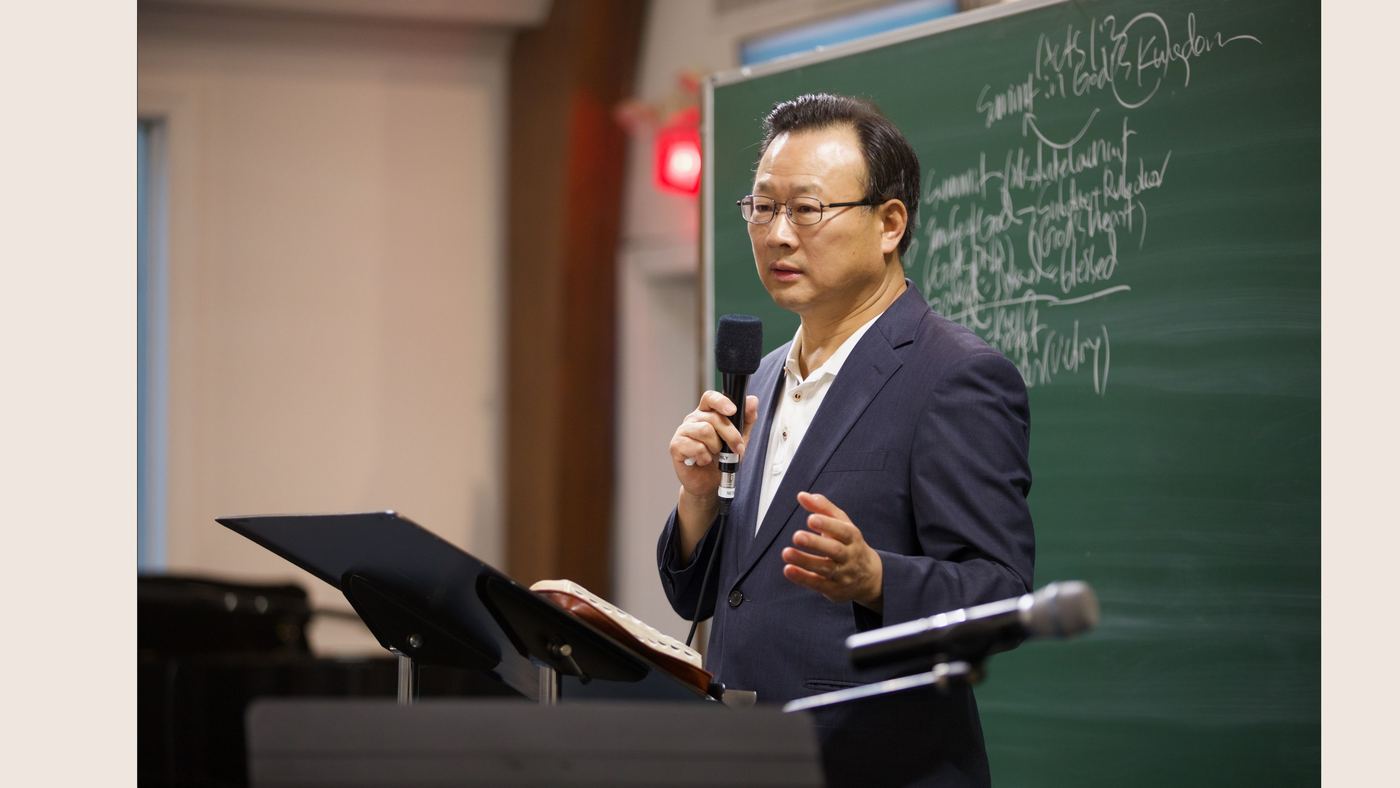
Eternal Answer of 1st, 2nd, 3rd RUTC:
Blessings to Hold onto During the Feast of Tabernacles (Deuteronomy 16:13-17) 11/24/2024
God commanded the chosen people of Israel to observe three feasts during their journey through the wilderness. Verse 17 states that these are the Feast of Unleavened Bread, the Feast of Weeks, and the Feast of Tabernacles, and they are to be observed at the place chosen by God. Why did He command them to come to this chosen place? The place and time where we worship today is the "chosen place," for it is where God gives us His promises. What are these promises?
First, the Feast of Unleavened Bread (also known as the Passover). This is the day the Israelites were liberated after 400 years of slavery. It is God's promise concerning our past problems. By the blood of the lamb that was applied to the homes of the Israelites, we have been liberated from all sin, curses, Satan, and the power of hell through the blood of Christ. Do not live under the weight of your past problems (the curse of original sin, family lineage issues, and all the wounds of the past). These create our "destiny" and lead to depression, panic disorders, and other mental disorders. We must fight against the enemy, Satan, who tries to drag our lives in this way, and receive complete healing.
Second, the Feast of Weeks. This is observed seven weeks after the Passover, and is also called the Pentecost. What happened during Pentecost in Acts 2? The Holy Spirit came upon all the saved people. This is God's promise for our present problems. Even after salvation and liberation, we still live amidst our current problems. We are often deceived, leading to conflicts, failures, and collapse. The Holy Spirit dwells within us and works through all our problems and circumstances, allowing us to enjoy His presence and work. From the moment we were saved, we were sealed with the Holy Spirit (Ephesians 1:13), who helps and comforts us (John 14:16-18). He also empowers us to save people like us and the world (Acts 1:8). Do not be deceived by any present challenges.
Third, the Feast of Tabernacles that we are observing today. This feast holds God's promise for the future problems of saved believers. In 1620, the first believers who arrived in America held to this covenant and celebrated Thanksgiving, which has been fulfilled to this day. No other country but America was established with the declaration to live by faith alone and to enjoy only God's blessings. For 400 years, God blessed this nation, making it a leader in theological and spiritual influence. It has become the country that sent out the most missionaries worldwide.
However, America is now secularized and crumbling. Whether it rises again and is used until Christ's return depends on us (the final runners). Our church, which carries out multiethnic, healing, and remnant ministries, is vital in this mission. How were they commanded to observe the Feast of Tabernacles? This feast contains four promises for our future.
- When is the Feast of Tabernacles celebrated? It is celebrated after all the harvests are gathered (verse 13). This signifies that the day will come when we reap the fruits of our tears, prayers, and efforts. It is God's promise for the conclusion of our lives.
1) Salvation is received by grace (Ephesians 2:8-9). Anyone who believes and confesses Christ will be saved (Romans 10:10, 13). God will never abandon or forsake the saved (Hebrews 13:5). Thus, our salvation is complete and absolute. The salvation God grants cannot fail (Romans 11:30, Philippians 1:6).
2) Now, what we build and sow on this earth as saved people is important. We may face "shameful salvation" if we sow nothing (1 Corinthians 3:15), but if we sow what pleases God, we can enjoy His comfort and the crown He provides (Galatians 6:7). This blessing will surely be passed on to future generations (Exodus 20:6).
- Who is the Feast of Tabernacles observed with? It includes family, servants, and even foreigners (verse 14). This is God's promise that He will raise us to save all nations. It is a promise of evangelism and missions.
1) He promises to give us testimonies within our families, households, and even to people in our homes and workplaces(Genesis 39:5).
2) Who are the foreigners? They represent unbelievers, Gentiles, and multiethnic people. ① Those saved through us are our eternal joy and blessing both on earth and in heaven. We must experience and see their lives transformed and blessed through the gospel we share.
② Make a resolution to save at least one unbeliever each year. This is more important than existing believers. Matthew 28:18 commands us to make disciples of all nations and baptize them in the name of the Father, Son, and Holy Spirit.
- With what attitude should we observe this feast? We must do to with joy and gratitude. We are commanded twice to be joyful (verses 14, 15). And never come empty-handed (17). This is God's covenant to bless and answer all that we do in life. He will give us evidence in our lives.
1) Rejoice and give thanks for two reasons. Be thankful for the blessings that God will give in your life and work (verse 15 "thanksgiving of faith"). Be thankful for the blessings God has already given (verse 17 "rightful thanksgiving").
2) Restore the thanksgiving of faith and rightful thanksgiving. Even small gratitude can bring abundance and restore health. Sacrifices given in gratitude glorifies God and ends all problems within us (Psalm 50:23). Losing gratitude leads to misery and opens the door for Satan’s attacks (Numbers 21:4-6). Life itself will become endless conflict and darkness that leads to mental and spiritual problems.
- We are commanded to live in tents during this Feast (Leviticus 23:42). This is God's promise for our eternal future.
1) It signifies the time in the wilderness that the Israelites must not forget. It reminds them not to forget the grace they received, nor the hardships they endured, because they can become complacent, proud, or face failure. We must always be alert as we live on this earth. The Israelites' experiences are mirrors for us in the last days (1 Corinthians 10:11). The day that the Lord returns, everything will come to an end.
2) On that day, our salvation will be completed, and all creation will meet an eternal new beginning (Revelation 21:5). Everything in this life is temporary. There is nothing to boast nor be discouraged about. The success, wealth, pain, and sorrow will all pass away (James 4:14). Do not cling too tightly to the things of this earth. There is no reason to hate or quarrel (terminal life).
3) Satan will continue to deceive, tempt, and enslave people with worldly things. Focus on what is above (glory, power, and blessings of the throne) and fight against the things of the earth (Colossians 3:1-2). Even if you fail temporarily, you will ultimately triumph. The final victors will reign with Christ for eternity (Revelation 20:6).
Conclusion - Do not be deceived by your past, do not despair or struggle with today, but hold on to the future prepared by God and live victoriously.
11.24.24 Blessings to Hold onto During the Feast of Tabernacles
Blessings to Hold onto During the Feast of Tabernacles (Deuteronomy 16:13-17) 11/24/2024 November 24, 20241,2,3 RUTC 응답의 영원 : 초막절에 붙잡을 축복(신16:13-17) 11/24/2024
먼저 택함받은 이스라엘 백성들에게 광야를 가는 길에 반드시 세가지 절기를 지키라고 했다. 17절에 하나님이 택한 곳으로 나와 무교절, 칠칠절, 초막절을 지키라고 했다. 왜 택한 곳으로 나오라고 했는가? 우리가 지금 예배하는 시간과 공간이 그 택한 곳이다. 거기서 하나님이 우리에게 주시는 약속이 있기 때문이다. 무슨 약속인가?
첫째, 무교절, 다른 말로 유월절이라고 한다. 이스라엘 백성들이 400년 노예로 살던 자리에서 해방된 날이다. 우리의 과거 문제에 대한 하나님의 약속이다. 이스라엘 백성들이 온 집에 발랐던 양의 피, 곧 그리스도의 피로 말미암아 우리는 모든 죄, 저주, 사단, 지옥 권세에서 해방 받았다는 것이다. 내 과거 문제(원죄의 저주, 가정 가문의 문제, 지난 날의 모든 상처들)에 더 이상 눌려 살지 마라는 것이다. 그것이 내 운명을 만들고, 우울증, 공황장애, 각종의 정신 문제를 만든다. 해방받은 우리는 인생을 이렇게 끌고 가려고 하는 마귀와 싸우고, 다 치유 받을 수 있다.
둘째, 칠칠절, 유월절이 7주간이 지난 날이라고 해서 칠칠절이라고 하고, 다른 말로 오순절이라고 한다.
행2장의 오순절에 어떤 일이 일어났는가? 구원받은 모든 백성에게 성령의 역사가 임한 것이다. 이것은 현재 문제에 대한 언약이다. 구원받아 해방 받아 놓고도 여전히 현실 문제를 겪으며 속는다. 그래서 갈등하고, 실패하고, 무너진다. 이때 성령이 내 안에 함께 하시고, 내 모든 문제와 사건 속에서 임재, 역사하시는 것을 누리며 살라는 것이다. 구원받은 순간 성령의 인을 받았고(엡1:13), 그 성령이 나를 도우시고, 위로하신다(요14:16-18). 나 같은 사람과 세상을 살릴 권능을 주신다(행1:8). 어떤 현실 문제에도 속지 마라는 것이다.
셋째는 오늘 우리가 맞은 초막절이다. 이 초막절은 구원받은 성도의 미래 문제에 대한 언약이다.
1620년 미국에 들어온 첫 성도들이 이 언약을 잡고, 추수감사절을 지냈고, 그 언약이 지금까지 성취된 것이다.
전 세계에 오직 믿음으로 살고, 오직 하나님의 축복만을 누리며 살겠다고 외치며 세워진 나라는 미국 밖에 없다. 400년간 이 미국을 축복했고, 전 세계의 신학과 영적 흐름을 좌우하고, 가장 많은 선교사를 보낸 나라가 되었다.
그 미국이 세속화되고, 무너지고 있다. 이 미국이 그리스도가 다시 오시기까지 다시 일어나 쓰임을 받느냐는 이제 우리에게 달렸다(마지막 주자). 그 속에서 다민족 사역, 치유사역, 렘넌트 사역하는 우리 교회는 너무 중요하다.
이 초막절을 어떻게 지키라고 했는가? 여기에 담긴 우리의 미래를 향한 네가지 언약이 있다.
- 이 초막절은 언제 지키는가? 모든 수확을 거두어들인 후에 지키라고 했다(13절)
우리의 눈물과 기도와 수고로 뿌린 것들을 거두는 날이 온다는 것이다. 우리 인생 결론에 대한 언약이다.
1) 구원은 은혜로 받았다(엡2:8-9). 누구라도 그리스도를 믿고, 고백하는 자는 구원 받는다(롬10:10, 13).
그렇게 구원받은 성도를 하나님은 어떤 경우도 포기하지 않고, 버리지 않는다(히13:5).
그래서 우리의 구원은 완전하고, 절대적이다. 하나님이 허락하신 구원은 실패할 수가 없다(롬11:30, 빌1:6)
2) 이제 구원받은 자가 이 땅에서 무엇을 쌓고 사느냐가 중요하다.
구원받고도 아무 것도 심지 않은 채 부끄러운 구원을 받을 수도 있다(고전3:15). 반대로 하나님이 기뻐하시는 것을 심고 그 분이 주시는 위로와 면류관을 누릴 수도 있다(갈6:7). 그 축복은 반드시 후대에 전달된다(출20:6).
- 누구와 이 절기를 지키는가? 가족을 포함하여 집안의 노예나 나그네까지 불러 그 축복을 즐기라고 했다(14절)
하나님이 우리를 모든 민족을 살릴 자로 세우신다는 언약이다. 전도와 선교에 대한 언약이다.
1) 내 가족, 가문 속에서도 증거를 주고, 내 집과 산업에서 일하는 사람들에게까지 증거를 준다는 것이다(창39:5).
2) 나그네는 누구를 말하는가? 이방인이고, 불신자들이고, 다민족들이다.
① 나를 통해 구원받은 사람들이 내가 이 땅에서, 천국에 가서 영원히 누릴 축복이고 기쁨이다.
내가 전한 복음을 통해 한 사람의 인생이 바뀌고, 그들이 치유받고 축복된 삶을 사는 것을 체험해봐야 한다.
그러면 먼저 구원받은 내가 가장 중요하게 해야 할 일이 무엇인가가 답이 나온다.
이런 문제, 저런 문제가 와도 상관없다. 갈등할 것이 없다. 이것을 복음 체험, 전도 체험이라고 한다.
② 한 해에 단 한 명의 불신자라도 살릴 각오로 다시 시작하라. 기존 신자보다 더 중요한 것이 불신자이다.
마28:18에 가서 모든 족속으로 제자를 삼되, 아버지와 아들과 성령의 이름으로 세례를 주라는 이유가 그것이다.
- 이 절기를 어떤 자세로 지키는가? 즐겁고 감사한 마음으로 하라는 것이다.
즐거워하라는 말을 두 번이나 반복했고(14, 15절). 절대로 빈손으로 오지 말라는 이유가 그것이다(17절)
우리가 하는 모든 일에 대한 축복과 응답의 언약이다. 내 인생에 증거를 주시겠다는 언약이다.
1) 두가지 때문에 즐거워하고 감사하라고 했다.
내가 하는 일과 내 인생 속에 주실 복을 위해 즐거워하고 감사하고(15절 “믿음의 감사”),
하나님이 이미 주신 복을 따라 감사하라고 했다(17절 “당연한 감사”)
2) 믿음의 감사, 당연한 감사를 회복하라. 작은 것도 감사하면 모든 것이 풍성해지고, 건강도 회복될 것이다.
그래서 감사로 드리는 제사가 하나님을 영화롭게 하고, 그때 내 안에 모든 문제가 끝날 것이라고 했다(시50:23)
반대로 감사를 잃어버린 순간 내 마음부터 비참해지고, 결국은 사단의 공격을 받는 통로가 된다(민21:4-6).
사는 것이 끊임없는 갈등과 어두움이 되고, 그것이 정신 문제, 영적 문제가 된다.
- 이 절기에는 초막을 짓고 머물라고 했다(레23:42). 우리의 영원한 미래에 대한 언약이다.
1) 이스라엘이 광야에서 살던 시절을 잊지 말라는 뜻도 있다.
처음 은혜 받았을 때, 아프고 고생하던 시절을 잊지 말라는 것이다. 그래서 나태해지고 교만해지고 실패한다.
이 땅에 사는 날 동안 늘 깨어있으라는 것이다. 이스라엘이 광야에서 겪은 모든 것은 마지막 때 우리의 거울이 라고 했다(고전10:11). 이 모든 것이 끝나는 날이 주님 다시 오시는 날이다.
2) 이 날에 우리의 구원도 완성되고, 모든 만물도 영원한 새로운 시작이 이루어진다(계21:5)
이 땅에 사는 날에 가진 것, 경험하는 모든 것이 임시라는 것이다. 자랑할 것도 없고, 너무 낙심할 것도 없다.
지금 가진 성공과 부요도 지나가고, 지금 겪고 있는 아픔도, 슬픔도 지나간다. 안개와 같다고 했다(약4:14).
그래서 이 땅의 것에 너무 미련두지 말라고 했고, 너무 미워하고, 갈등하고 살 이유도 없다(시한부 인생).
3) 사단은 육의 것, 땅의 것을 가지고 계속 속이고, 유혹하고, 잡혀 살게 할 것이다.
위엣 것을(보좌의 영광, 능력, 축복) 바라보면서 땅의 것들과 싸우라(골3:1-2). 잠시 실패했어도 승리할 것이다.
마지막에 이기는 자들이 그리스도와 함께 영원한 그 날에 함께 만물을 다스리게 될 것이라고 했다(계20:6).
결론-과거에 속지 말고, 오늘에 갈등하고 절망하지 말고, 하나님이 준비한 미래를 잡고 승리하기를 축복한다.
초막절에 붙잡을 축복(신16:13-17) 11/24/2024 November 24, 2024Eternal Answer of the 1st, 2nd, 3rd RUTC:
Entrust the Time and Date to the Father (Acts 1:6-8) 11/17/2024
Before Christ ascended to heaven, the disciples asked an important question: “Is this the time you will restore the kingdom to Israel?” This question stemmed from Israel's reality of being under Roman rule for a long time.
Similarly, we all face many problems of our reality in life. These issues are significant, and they cannot simply be ignored. They can weigh heavily on our lives and cause serious stress and pain.
How did Jesus respond? He said, “It is not for you to know the times or dates the Father has set by His own authority” (Acts 1:7). At first glance, this may seem as though God is ignoring our needs. But what does this really mean? Both individuals and the world face endless problems and pain. We must find the answer God provides.
- “It is under the Father’s authority” This means holding onto God’s absolute sovereignty. Among the "10 Platforms of Faith" we believe in, one is “God’s absolute sovereignty.” What does absolute sovereignty mean? At least three things:
1) God, who created all things, governs the world and our lives with an absolute plan. Just as God is perfect, His plan is also perfect. It is higher and deeper than our lives (Isaiah 55:7-9). No matter our injustices, pains, needs, or failures, God neither abandons, ignores, nor overlooks us (Hebrews 13:5). This is why we must pray deeply when we face problems or hardships (Jeremiah 33:2-3). If we judge and act based on our own standards, we may end up on a path completely different from God’s (e.g., Judas Iscariot’s failure).
2) Within God’s absolute sovereignty is His absolute love. This doesn’t mean He acts like a dictator seeking selfish desires. Instead, He has absolute love for all humanity. Out of this love, He chose us, the weakest and most unworthy, and redeemed us through the death of Christ on the cross. Satan did not understand this and caused Christ’s crucifixion. Even now, he seeks to destroy us (Romans 8:31-39). Thus, God shows compassion to anyone who repents and returns to Him (Isaiah 55:7).
3) God’s absolute sovereignty includes His absolute power to transform all things for His glory (power of re-creation). If we truly believe and love God, He will work all things—our problems, crises, and failures—for good (Romans 8:28). Even our smallest actions can become eternal blessings and works that glorify God.
- This means trusting in and waiting on God’s absolute sovereignty.
Waiting is an act of faith. More accurately, it’s not us waiting on God—it’s God waiting for us.
1) God waits for us to reach complete salvation and to understand and obey His deep will. God called Abraham from an idol-worshiping family, waited until he was 100 years old to give him Isaac, and even waited until Abraham was willing to offer Isaac back to Him. Through countless problems and events, God raised Abraham’s descendants, and through Abraham’s descendants, God formed the nation of Israel and eventually brought Christ into the world. Similarly, God led Moses and David through many pains and failures while waiting for them. Today, in this age, God is waiting for us.
2) How long should we wait? We should wait for three answers: ① The answer that finds solutions within problems. In every problem we face, find the absolute reason why only Christ is the answer. Then, even greater problems can be overcome with victory. ② The answer that finds renewal within conflicts. Use conflicts as opportunities for personal transformation. Every conflict can become a chance to be shaped into a vessel that God can use for greater works. ③ The answer that finds opportunities within crises. Crises and opportunities always come together. Whether in families, churches, or organizations, at the end of the tunnels of pain, there will be time of light and blessings (Isaiah 45:7).
- What does God want to accomplish with His absolute sovereignty?
It’s not just about solving problems. His ultimate desire is to make us witnesses to the ends of the earth. This is the conclusion of the blessings we must focus on.
1) “When the Holy Spirit comes on you.” ① For those who are saved, the Holy Spirit is already with us (Ephesians 1:13; John 14:16-18; 1 Corinthians 3:16). ② Now, we must experience the Holy Spirit ruling over us, filling us, and working within us. This allows us to live beyond our standards and experience God’s works. Such individuals are the saints and the church. Only then can we transcend everything, embrace all, and save everyone. ③ Times will grow increasingly difficult. We will encounter incomprehensible situations and people. But the gospel has the power to save and transform all. We are called to be used for this work in this age (1 Peter 2:9).
2) “You will receive power.”
① With my own will and strength, I cannot even change myself. If I cannot change myself, how can I change or save anyone else? This is why Jesus said, “Receive the power of the Holy Spirit.”
② Are you going through difficult times? Pray for the Holy Spirit’s power to take hold of you. This is being filled with the Holy Spirit. The Holy Spirit enables us to understand the depths of God and all the gifts He has given us by grace (1 Corinthians 2:12-14). When appointing church officers, God’s standard is this: “Someone full of the Spirit, wisdom, and faith” (Acts 6:3-5).
③ The word "power" here in Greek is “dynamis” (which is the root of the English word "dynamite.”) It is the power to break through our weaknesses, limitations, wounds, diseases, and even the strongholds of Satan (2 Corinthians 10:4; Luke 8:46).
3) We are standing as witnesses to Jerusalem, Judea, Samaria, and to the ends of the earth. ① Jerusalem is yourselves and your families. It is knowing and experiencing the grace and blessings you’ve received individually and as a family. ② Judea is your close neighbors. Let them witness how God has helped you have victory and blessed you. God will raise them to be witnesses of you. ③ Samaria is places that others do not go to, avoid, or overlook. God will use you to save even these people. He will provide all the evidence you need to do this work. Satan seeks to distract us from this blessing with current problems and conflicts. He makes us lose hold of all blessings. That is real injustice. ④ Ends of the earth refers to all nations and peoples. The world is in pain and searching for answers, but there is no one to provide them the answers (Luke 10:2). Pray so that your today, your life, your businesses, and even your problems may be used for the work that God truly desires.
Conclusion: Problems will continue in this world. Seek the answers that God gives and focus on the blessings of His conclusion.
Entrust the Time and Date to the Father (Acts 1:6-8) 11/17/2024 November 17, 20241,2,3 RUTC 응답의 영원 : 때와 시기는 아버지께 맡기고(행1:6-8) 11/17/2024
그리스도께서 하늘로 올라가시기 전에 제자들이 중요한 질문을 했다. 이스라엘 나라가 회복되는 것이 지금이냐는 질문이었다. 이스라엘이 오랜 세월 로마의 속국으로 있었기 때문이고, 이것은 이스라엘의 현실적인 문제였다.
우리에게도 이런 현실적인 문제들이 많다. 그것은 결코 가벼운 것이 아니고, 무시될 수도 없다. 그런 것들이 나의 인생을 짓누르기도 하고, 심각한 스트레스나 고통이 되기도 한다.
이때 예수님의 답이 무엇이었냐? “그 때와 시기는 아버지께서 자기 권한에 두셨기 때문에 너희의 알 바가 아니다”라고 하셨다(7절). 오해하면 마치 아버지가 우리의 필요를 무시하는 것처럼 느껴질 수가 있다.
이것이 무슨 의미였을까? 우리 개인도, 세상도 끝없는 문제, 고통이 계속되고 있다. 그 답을 찾아내야 한다.
- “아버지의 권한에 있다”는 말은 하나님의 절대 주권을 잡으라는 뜻이다.
우리가 믿는 “열가지 발판”에 “하나님의 절대 주권”이 있다. 절대 주권이 무엇인가? 적어도 세 의미가 있다.
1) 모든 만물을 창조하신 하나님은 절대 계획을 가지고, 모든 세상과 인생을 다스린다는 것이다.
그 하나님이 완전하신 것처럼 그 계획은 완전하고, 우리 인생보다 더 높고 깊다는 것이다(사55:7-9).
우리의 어떤 억울함, 아픔, 필요, 실패에도 버리지 않고, 외면하지 않고, 무시하지 않는다(히13:5)
우리가 문제나 어려움을 당할 때 깊이 기도해야 하는 이유가 이것이다(렘33:2-3).
내 기준과 수준으로 판단하고 행동하다가 하나님과 전혀 다른 길을 갈 수도 있기 때문이다(가롯 유다의 실패).
2) 그 절대 주권 속에는 하나님의 절대 사랑이 있다.
세상의 독재자처럼 자기 욕심대로 무엇을 한다는 뜻이 아니다. 모든 인생을 향한 그 분의 절대 사랑이 있다.
그래서 가장 연약하고 부끄러운 우리를 먼저 택하시고, 그 십자가의 죽음으로 우리를 위해 대속하신 것이다.
마귀가 이것을 모르고 그리스도를 십자가에 죽게 만들고, 지금도 우리를 무너뜨리기 위해 공격한다(롬8:31-39).
그래서 어떤 불의한 자도 그 생각을 버리고 하나님께로 돌아오면 그를 불쌍히 여기시겠다는 것이다(사55:7)
3) 그 절대 주권 속에는 모든 것이 하나님의 영광이 되도록 바꿀 수 있는 절대 능력이 있다(재창조의 능력).
그 하나님을 정말 믿고 사랑한다면 그 분은 우리의 모든 문제, 위기, 실패도 합력해 선을 이루시고(롬8:28),
우리의 작은 것도 하나님의 영광을 드러내는 영원한 축복과 작품이 될 수 있다.
- 이 하나님의 절대 주권을 믿고 기다리라는 뜻이다.
기다리는 것이 믿음이다. 정확히는 우리가 하나님을 기다리는 것이 아니고, 하나님이 우리를 기다리는 것이다.
1) 우리가 완전한 구원에 이를 때까지 기다리고, 하나님의 깊은 뜻을 깨닫고 순종할 때까지 기다리신다.
하나님이 아브라함을 우상 숭배의 가문에서 불러 100세에 이삭을 낳고, 다시 드릴 수 있을 때까지 기다리셨다.
수많은 문제와 사건을 거쳐가면서 그 후손을 통해 이스라엘 백성이 만들어지고, 그리스도가 오신 것이다.
많은 아픔과 실패를 거치게 하면서 모세를 기다리고, 다윗을 기다리셨다. 하나님은 이 시대 우리를 기다리신다.
2) 우리가 어디까지 기다려야 하는가? 세가지 응답이 올 때까지 기다리면 된다.
① 문제 속에서 해답을 찾는 응답이다. 우리가 겪고 보는 모든 문제에서 오직 그리스도이어야 하는 절대 이유를 찾 으라. 그러면 또다른 문제, 더 큰 문제를 겪어도 승리할 수 있다.
② 갈등 속에서 갱신을 찾는 응답이다. 나부터 바꾸는 기회로 삼으라.
모든 갈등을 통해서 하나님의 더 큰 일을 위해 쓰임 받을 수 있는 그릇을 만드는 기회가 되는 것이다. ③ 위기 속에서 기회를 찾는 응답이다. 위기와 기회는 항상 같이 온다.
가정, 교회, 단체도 마찬가지다. 고통의 터널을 지나고 나면 반드시 빛의 시간, 응답의 시간이 온다(사45:7).
- 그 하나님이 절대 주권을 가지고 정말 하고자 하시는 일이 무엇일까?
문제 해결 정도가 아니다. 땅끝까지 증인으로 세우겠다는 것이다. 반드시 집중해야 하는 축복의 결론이다.
1) “오직 성령이 임하시면”이다.
① 구원받은 우리에게는 이미 성령이 함께 하셨다(엡1:13, 요14:16-18, 고전3:16)
② 그 성령이 내 안에서 나를 다스리고, 나를 채우시고, 역사하시는 시간들을 체험하라는 것이다(성령의 임재).
그래야 내 기준, 내 수준, 내 표준을 넘어 하나님의 역사를 체험하며 살 수 있다. 그들이 성도이고, 교회이다.
그때야 우리는 모든 것을 뛰어 넘고, 모든 것 수용하고, 모든 사람을 살릴 수 있다.
③ 갈수록 어려워질 것이다. 이해할 수 없는 일과 사람들을 계속 만날 것이다. 복음은 다 살리고, 다 바꿀 수 있다.
우리는 이 시대에 그 일에 쓰임 받도록 부름 받은 사람들이다(벧전2:9)
2) “너희가 권능을 받고”라고 했다.
① 내 의지와 능력으로는 나 자신도 못 바꾼다. 나도 못 바꾸는데, 누구를 바꾸고 살리겠는가?
그래서 “성령의 권능을 받으라”는 것이다.
② 어려운 시간인가? 성령의 능력이 나를 사로잡는 시간이 되도록 기도하라. 그것이 성령 충만이다.
성령은 하나님의 깊은 것을 통달하게 하고, 은혜로 주신 모든 것을 깨닫게 한다고 했다(고전2:12-14)
중직자를 세울 때 하나님의 기준이 이것이다. “성령과 지혜와 믿음이 충만한 사람”이다(행6:3-5)
③ 이 “권능”이라는 헬라어의 단어는 “듀나미스”(다이나마이트)라는 뜻이다.
나의 무능도, 연약함도, 상처도, 질병도, 모든 사단의 견고한 진도 깰 수 있는 힘이다(고후10:4, 눅8:46).
3) 예루살렘, 유다, 사마리아, 땅끝까지 증인으로 서는 것이다.
① 예루살렘은 나와 내 가족이다. 내가 받은 은혜와 축복을 먼저 내가 알고, 내 가족이 아는 것이다.
② 유다는 내 가까운 이웃들이다. 하나님이 나를 어떻게 이기게 하시고, 축복하셨는지를 내 가까운 이웃들이 보는 것이다. 그들이 나의 증인으로 서게 하시겠다는 것이다.
③ 사마리아는 남들이 안 가고, 못 보고, 심하게는 외면하는 곳이다
하나님은 나와 우리를 통해 그들도 살리시겠다는 것이다. 그 일을 할 만한 모든 증거를 주시겠다는 것이다.
사단은 지금의 내 문제로, 누군가와의 갈등으로, 이 축복을 다 놓치게 만드는 것이다. 그게 진짜 억울한 일이다.
④ 땅끝은 말 그대로 모든 나라와 민족이다. 전 세계가 고통 속에 답을 구하는데, 답을 줄 사람이 없다(눅10:2).
하나님이 정말 원하시는 일에 나의 하루가, 나의 인생, 나의 산업이, 나의 문제조차도 쓰임 받도로 기도하라.
결론-세상에 문제가 계속될 것이다. 하나님이 주시는 답을 찾고, 그분이 주시는 결론의 축복에 집중하기를 바란다.
때와 시기는 아버지께 맡기고(행1:6-8) 11/17/2024 November 17, 2024Eternal Answer of 1st, 2nd, 3rd RUTC:
Reason for Walking the Wilderness (Deuteronomy 8:11-16) 11/10/2024
The Israelites, who were freed from Egypt, were led to pass through the wilderness. On the way to the wilderness, they encountered many difficulties, faced enemies, and experienced many failures and humiliations. This is a reflection of our lives. Looking at the map, there was a path that didn’t go through the wilderness. Even though they could have crossed it in a month, they were made to walk it for 40 years.
Why did God’s people have to go through this time? If we don’t find the answer God provides, we may fall into despair, blame others, or even resent God. This can lead to unbelief, depression, and mental disorders. The Bible explains that God allowed the wilderness journey for at least three absolute reasons.
- “To humble and test you so that in the end, it might go well with you” (16). The phrase “so that in the end, it might go well with you” is both the reason and the conclusion of why God saved the Israelites. It is also the blessing and conclusion that we, as Abraham’s spiritual descendants in this age, must enjoy (Galatians 3:19).
1) God chose Abraham to be a source of blessing (Genesis 12:1-3). He was first told to go to Canaan, which means to go into Christ. By doing so, the curses over his family and lineage would end. God promised to make him into a great nation and to make his name great. Those who curse him would be cursed, and those who bless him would be blessed. Ultimately, through Abraham, all peoples on earth would be blessed.
2) In this age, God saved us to bless us in the same way and to turn everything. Into evidence (Ephesians 1:3-12). According to His good will, He predestined us to be adopted as His children. First, He redeemed and sanctified us in Christ, allowing us to enjoy every spiritual blessing in the heavenly places. Ultimately, God will be glorified, and everything in heaven and on earth will be united to enjoy blessings together. In all circumstances, we must hold onto this conclusion for all who are saved. Only then can we overcome the painful and failure-filled world, much like the wilderness.
- For that, God will make us into vessels by leading us through the wilderness. The Bible describes this as maturity (Ephesians 4:13), healing (Ephesians 4:22-24), and the process of sanctification (1 Peter 1:14-16). God humbled and tested us to see if we would fully follow His word even during difficult times (Deuteronomy 8:2). He wanted to ensure that we wouldn’t fall into arrogance when we enjoy God’s blessings and are used importantly (Deuteronomy 8:13-14).
1) God exposed everything through the various problems and incidents during the wilderness journey. Eventually, everything is revealed. At the slightest hardship, they constantly complained and grumbled (Exodus 15:22-26, 16:1-8). When Moses married a Cushite woman, people criticized him, leading to some being afflicted with leprosy (Numbers 12:1-10). When spies were sent, the majority gave a negative report, leading to unbelief and death (Numbers 14:26-38). Some even died after complaining excessively and being bitten by venomous snakes (Numbers 21:4-6). Later, many fell into idolatry with the Moabite idols, fornication with Moabite women, leading to a plague that killed tens of thousands (Numbers 25:1-9). Although it was a shameful and painful time, God wanted everything to be revealed so they could be healed and made whole.
2) The Bible says that everything Israel experienced in the wilderness serves as a mirror for us living in the last days (1 Corinthians 10:11). This shows that we, too, can collapse and fail. Thus, we are told to look at ourselves first when we see someone else’s failure. The Bible even warns us to be careful lest we think we are standing firm, as we may fall (1 Corinthians 10:12). In this way, we receive healing for hidden wounds, weaknesses, and tendencies, leading to growth and depth.
- God used this entire process to raise and build the next generation. In Deuteronomy 6:1-9, God gave the mandate for educating the next generation, who would be used in the land of Canaan (Shema).
1) God led them to prepare for the future generations in three ways.
① He commanded them to love the one true God with all their heart, soul, and strength, and to keep His words in their hearts (Deuteronomy 6:4-5). This means enjoying the blessings of God’s word and the gospel. Teach them through a life that flows from this enjoyment. Children can witness and feel their parents holding onto God’s word in faith and sincerely loving Him. Seeing God’s word fulfilled and answered in their parents' lives, the next generation will grow up preciously.
② Teach the word diligently to your children (Deuteronomy 6:7-9). It’s not merely a transmission; it means training until it is deeply imprinted in them, taking root in their hearts. This is where the future of the next generation is formed (inspired by Nathaniel Hawthorne's “The Great Stone Face”).
③ What was the meaning of all their many failures? Even those were meant to be tools of education. The first generation who failed in the wilderness were people who had lived in slavery, fate, and curses for 400 years. They were freed and saved by God’s grace, but the nature of their slave mentality (wounded lives, habits, and nature) continued. God used even this as a mirror for us today. Thus, when we see the shortcomings and shame of the parental generation, we feel hurt and shame and make resolutions to stand firm in our lives, our families, and our churches. The Remnant Age emerge, turning the tears, devotions, pain, and failures of the parental generation into a platform to change this age.
2) There are three things we should observe from Moses’ ministry. Here, the first generation must hold onto what they must do.
① Moses understood his inadequacies, and he led the people by humbling himself before God in tears. He witnessed the people’s countless failures, and he, too, showed his own mistakes and failures (Psalm 106:32-33). When he came down with the tablets of the Ten Commandments and saw Israel worshipping idols, he broke the tablets (Exodus 32:15-19). He then prayed in tears for the people to be forgiven, and if not, for God to erase his name from His book (Exodus 32:31-32).
② To properly pass on this covenant to the next generation, Moses recorded the Scriptures, including all shameful parts. Through the Holy Spirit, God inspired Moses to write Genesis, Exodus, Leviticus, Numbers, and Deuteronomy.
③ He raised two Remnant disciples, Joshua and Caleb, who would complete the conquest of Canaan. Joshua was described as Moses’ servant (Joshua 1:1). He stayed by the tent of meeting, helping and learning from Moses’ ministry (Exodus 33:7-11). When the Amalekites (whose name in Hebrew means “Satan”) blocked, the young Joshua took the lead in battle (Exodus 17:9). Caleb, one of the spies, confessed his faith alongside Joshua and completed the conquest of Canaan (Joshua 14:6-15). Hebron, conquered by Caleb and his descendants, became Jerusalem, from where David’s kingdom was established, and Christ came.
Conclusion - These are challenging and difficult times. May you hold onto God’s absolute reason for leading us through the wilderness and stand victorious.
Reason for Walking the Wilderness (Deuteronomy 8:11-16) 11/10/2024 November 10, 20241,2,3 RUTC 응답의 영원 : 광야를 걷게 하신 이유(신8:11-16) 11/10/2024
애굽에서 해방받은 이스라엘 백성들에게 광야를 통과하게 하셨다. 광야 가는 길에 많은 일들을 겪었다. 어려운 환경을 만나기도 하고, 대적을 만나기도 하고, 그러다가 많은 실패와 부끄러운 일들까지 겪게 된다. 우리의 인생이다.
지도를 보면 광야를 거치지 않는 길도 있었다. 광야를 거쳐가도 한 달이면 갈 수 있는 길을 40년을 걷게 하셨다. 하나님의 백성이 왜 이런 시간을 겪어야 하는가? 그때 하나님이 주시는 답을 못 찾으면 절망에 빠지기도 하고, 누군가를 원망하기도 하고, 하나님을 원망하는 사람도 있다. 그러가 불신앙에 빠지고, 우울증, 정신 문제도 온다.
광야를 걷게 하신 이유, 성경은 하나님이 적어도 세가지 절대적인 이유를 가지고 허락하셨음을 말씀하신다.
- “이는 다 너를 낮추시고 너를 시험하사 마침내 네게 복을 주려 하심이었느니라”고 하셨다(16절)
“마침내 네게 복을 주려 하심이었다”는 말은 하나님이 이스라엘 백성들을 먼저 구원하신 이유이기도 하고, 결론 이기도 하다. 그것은 이 시대 아브라함의 영적 후손이 된 우리가 반드시 누려야 할 축복이고, 결론이다(갈3:19)
1) 하나님은 아브라함을 택하여 복의 근원이 되게 하셨다(창12:1-3).
먼저 가나안으로 가라고 했다. 그리스도 안으로 가라는 것이다. 그때 가정, 가문, 영원한 저주가 끝나는 것이다.
그로 큰 민족을 이루고 그 이름을 창대하게 만든다고 했다. 누군가가 저주하면 그들이 저주를 받고, 축복하면
그들이 축복을 받을 것이라고 했다. 결론은 아브라함을 통해 땅의 모든 족속이 복을 얻어야 하기 때문이었다.
2) 이 시대 하나님은 그렇게 우리를 축복하기 위해 구원하셨고, 모든 것을 증거로 만드시겠다는 것이다(엡1:3-12).
그 기쁘신 뜻대로 우리를 예정하사 자녀로 삼으셨다고 했다. 먼저 그리스도 안에서 나를 속량하시고, 거룩하게 하셨고, 하늘에 속한 모든 신령한 복을 누리게 한다고 했다. 결론은 그렇게 해서 하나님이 영광을 받고, 하늘과 땅에 있는 모든 것이 그 앞에 하나가 되어 같이 복을 누리게 하신다고 했다.
어떤 경우도 구원받는 자의 이 결론을 잡아야 한다. 그래야 광야 같은 고통, 실패 가득한 이 세상을 이긴다.
- 그것을 위해서 하나님은 우리에게 광야를 통과시키며 우리의 그릇을 만드시겠다는 것이다.
그것을 성경은 성숙(엡4:13), 치유(엡4:22-24), 성화의 과정(벧전1:14-16)이라고 설명한다.
우리를 낮추시고 시험해서 그 시간에도 우리가 말씀을 온전히 따라가는 지 보시기를 원하셨다고 했다(2절)
하나님의 축복을 누리고 중요하게 쓰임 받을 때에 교만에 빠지지 않기를 원하셨다고 했다(13-14절)
1) 하나님이 광야 가는 동안 여러 가지 문제, 사건을 통해 다 드러나게 하셨다.
결국 다 드러나게 하신다. 조금만 어려운 형편이 오면 끝없는 불평, 원망이 나왔다(출15:22-26, 16:1-8).
모세가 구스 여인을 아내로 맞은 것으로 인해 비난을 하다가 문둥병에 걸리기도 하고(민12:1-10),
정탐꾼을 보냈더니 다수의 정탐꾼이 악평을 해서 백성이 불신앙에 빠져 죽임을 당하기도 했다(민14:26-38),
극단적인 불평과 원망을 하다가 불뱀에 물려 죽은 사람들도 나왔다(민21:4-6)
나중에는 모압 족속들의 우상을 섬기고, 그 여인들과 음행에 빠져 수만명이 전염병으로 죽어 나간다(민25:1-9)
너무 부끄럽고 참담한 시간이지만 드러나게 해서 치유하고 온전하게 만들어서 쓰시기를 원했던 것이다.
2) 그 광야에서 이스라엘 백성들이 겪은 모든 것은 마지막 때를 사는 우리의 거울이라고 했다(고전10:11)
우리도 그렇게 무너지고, 실패할 수 있다는 것이다. 그래서 누군가의 실패를 보면 나를 먼저 보라는 것이다.
심지어는 내가 선 줄로 생각하면 넘어질까를 주의하라고 했다(고전10:12).
그러면서 우리는 실패할 수 밖에 없는 숨겨진 상처, 약점, 체질들도 치유 받고, 성장하고, 깊어지는 것이다.
- 이 모든 과정까지도 하나님이 후대를 키우고, 세우는 일에 쓰신 것이다.
신6:1-9에 후대 교육의 천명을 주셨다. 반드시 차지할 가나안에서 쓰임 받을 후대들을 위해 주신 것이다(쉐마).
1) 세가지 방법을 통해서 미래 세대를 준비하게 하신 것이다.
① 마음과 뜻과 생명을 다해 유일한 하나님을 사랑하고, 말씀을 마음에 새기라고 했다(신6:4-5).
내가 누리는 말씀, 내가 누리는 복음의 축복을 의미한다. 거기서 나오는 삶을 통해 가르치라는 것이다.
내가 하나님 말씀을 믿음으로 붙잡고, 그 말씀 속에서 하나님을 진실로 사랑하는 모습을 자녀들이 느끼고 본다.
부모의 인생 속에 그 말씀이 성취되고 응답 받는 것을 보면서 후대들이 소중하게 자라는 것이다.
② 그 말씀을 부지런히 가르치라(Impress them in your children)고 했다(신6:7-9).
단순한 전달이 아니다. 가슴에 새겨질 만큼 훈련을 시켜 말씀이 각인, 뿌리가 내리도록 만들라는 것이다.
거기서 후대들의 미래가 만들어지는 것이다(나다나넬 호손의 단편 소설 “큰 바위의 얼굴”)
③ 그렇다면 이들의 그 수많은 실패는 어떤 의미인가? 그것까지도 교육의 도구가 되게 하신 것이다.
광야에서 실패한 1세대들은 400년 노예로 운명, 저주, 실패 속에 살던 사람들이다.
하나님의 은혜로 해방 받고 구원받았지만 그 노예 근성(오염된 인생의 상처, 습관, 체질)이 계속 나온 것이다.
하나님은 그것까지도 사용해서 우리에게까지 거울이 되게 만드신 것이다. 그래서 혹시 모자르고, 부끄러운 부모 세대를 보면 아퍼하고 부끄러워하면서 나 자신, 내 가정, 우리 교회라도 바로 서야겠다는 결단을 하는 것이다.
그 부모 세대의 눈물과 헌신과 아픔과 실패까지도 발판으로 삼아 참으로 시대를 바꿀 렘넌트 시대가 와야 한다.
2) 모세의 사역을 통해 봐야 하는 세가지가 있다. 여기서 우리 1세대들이 할 일이 무엇인지를 붙잡아야 한다.
① 부족한 자기를 알고, 하나님 앞에 눈물로 엎드려 백성들을 이끈 것이다.
백성들의 수많은 실패를 보았다. 그러면서 본인 자신도 실수하고 실패를 보였다(시106:32-33).
십계명을 받아 내려올 때 우상 숭배를 하고 있던 이스라엘을 보고 십계명의 돌판도 부수었다(출32:15-19).
그리고는 다시 눈물로 백성들을 위해 기도한다. 아니면 주의 책에서 자기 이름을 지워달라고 했다(출32:31-32)
② 후대에게 이 언약을 올바로 전달하기 위해 성경을 기록한다. 모든 부끄러운 것들까지 다 기록했다.
하나님께서 성령으로 기록하게 하신 것이다. 그것이 창세기, 출애굽기, 레위기, 민수기, 신명기의 성경이다.
③ 여호수아와 갈렙이라는 두 사람의 렘넌트 제자들 세우고 간 것이다. 이들이 가나안 정복을 완성한다.
여호수아를 모세의 시종이라고 했다(수1:1). 늘 회막에 머물며 모세의 사역을 도우면서 배운 것이다(출33:7-11)
아말렉이라는 대적(히브리어로 “사단”의 의미)이 길을 막을 때는 청년 여호수아가 앞장 서서 싸웠다(출17:9).
갈렙은 정탐꾼 중에 여호수아와 함께 믿음을 고백하고, 가나안 정복을 완성한 사람이 된다(수14:6-15).
그와 그 후손이 정복한 헤브론이 예루살렘 땅이고, 그 후손을 통해 다윗 왕국이 세워지고, 그리스도가 오셨다.
결론-어렵고 힘든 때이다. 하나님이 인생의 광야를 통과하게 하시는 절대 이유를 붙잡고, 승리하기를 축복한다.
광야를 걷게 하신 이유(신8:11-16) 11/10/2024 November 10, 2024Eternal Answer of 1st, 2nd, 3rd RUTC:
Strengthen Your Brothers (Luke 22:24-34) 11/3/2024
In this passage, Peter undergoes a painful failure. What kind of person is Peter we know well? He was the disciple who loved and served Jesus from the closest distance. Notably, in Matthew 16:16-19, he was the first to realize that Jesus was the Christ, confessed it, and received a promise of blessing. This blessing was monumental. Jesus called him the rock upon which the church would be built, the gates of Hades would not overcome it, and that He would give him the keys of the kingdom of heaven. We, too, are living as people who understand this Christ and experience such blessings in our time. When Jesus went up the Mount of Transfiguration, He took Peter along with James and John, out of the twelve disciples (Matthew 17:1).
But this Peter, during the time when Jesus was held captive to be put into suffering, committed a critical failure and faced shame. He denied Jesus three times, swearing and cursing, in front of a young servant girl (Matthew 26:72-74).
However, after overcoming this painful and shameful period, Peter rose again to become a missionary who would go on to save the world. Through him, God recorded the Books of 1st and 2nd Peter, and he ultimately became a martyr under the persecution of the Roman emperor Nero, alongside Paul, who, as mentioned in last week's message. Paul was beheaded, while Peter is said to have been crucified upside down.
From this, we arrive at two important questions. First, like Paul from last week, does God only use people like this? Second, did God know that Peter would fail? If He knew, why didn’t He prevent it? We may ask the same questions about our own pains and failures or the pains and failures of others. If we don’t understand the hidden plan of God in these situations, even the faith we have can collapse. We need to find the answers.
- God knew of this failure and allowed It.
1) God, who is all-knowing and all-powerful, knew and even in that time He was with Peter (Psalm 139:1-10). What does this mean? Does it mean that God made him fail? Scripture says not to make that excuse (James 1:13-14). This failure came from human desire. There’s also Satan, who tempts and stirs up hidden wounds and desires to make us fall.
2) Jesus not only knew of Peter’s failure but warned him about it because He was aware. He even allowed it. Verse 31 says that Satan came to Jesus and asked for permission to “sift Peter like wheat.” Here, theological interpretation emerges everything that happens in the world and to humans is according to God's predetermined will (Decree) for a holy purpose (Westminster Shorter Catechism, Question 7). Nothing happens by chance (Matthew 10:29). In terms of our salvation, God even uses the term "predestination" (Ephesians 1:5, 1:11).
3) Within God's decree, there are two types: absolute decree and permissive decree. Absolute decree is God’s unchangeable purpose prepared for His glory (God's creation, preservation, governance). Permissive decree is when God allows events due to human desires, but even this is used for His glory. For instance, God allowed Satan to test Job as part of His permissive decree. The failure of Peter here is also a permissive decree.
- Why did He allow it? Why didn’t God prevent Peter’s shameful and painful failure?
In short, God was giving Peter an opportunity to truly become a disciple of Christ (Romans 8:28).
1) God provided at least three opportunities
① This is a time to expose hidden desires and weaknesses so they could be healed. Peter confessed Christ and walked the path of discipleship, but his journey wasn’t complete. The same goes for us. Although we are justified through Christ’s blood, we still have the residue of sin (influences from family and upbringing, past experiences, trauma, inferiority complexes, desires, selfishness). Peter was within this. God would not leave us in a state where we keep falling and repeating the same mistakes due to these unresolved issues.
② It is an opportunity to mature into a complete image of Christ (James 1:3-4; 1 Peter 1:7). Ultimately, humans learn through failure. Before judging others for their failures, look at the plank in your own eye (Matthew 7:3), and first see your own weaknesses and shame, then kneel in humility. The Bible records all these failures for this reason (1 Corinthians 10:12).
③ It is an opportunity to enter deeper into God’s grace and love. After true repentance and experiencing shame, one does not give up but starts anew. This is why Peter wept bitterly (Luke 22:62). After this, Peter went on to spend his life saving others like himself and finally went to God through the death of a martyr. For the day that Peter stands back up to be used, Jesus prayed for Peter, saying, "that your faith may not fail" (Luke 22:32; Romans 8:26).
2) Afterward, Christ met the failed Peter and led him to hold onto three profound truths (John 21:15-22):
① "Do you love me more than these people?" Jesus asked, repeating it three times just as Peter had denied Him three times. This brought Peter into a deeper love than ever before, one filled with humility and focus on Christ alone.
② "Feed my lambs," said Jesus. The lambs represent all humanity, weak and prone to stumble. Lambs do not represent good; they’re symbols of weakness, stubbornness, and helplessness—they cannot get up by themselves after a fall.
③ "When you were young, you dressed yourself and went where you wanted; but when you are old, you will stretch out your hands, and someone else will lead you." This spoke of Peter’s transformation from self-centeredness to a life devoted to glorifying God even unto death (John 21:19).
- What is the conclusion of all this? "Strengthen your brothers after you have turned back."
1) Embrace this conclusion in all aspects of life—family, academics, work. In these areas, save others like you. Many people are in greater pain, more ashamed, and more isolated than you are. Through our and others’ pain, understand God’s heart for the world and focus on what you need to dedicate your life to.
2) If you’ve been unfairly criticized or hurt by others, wait patiently. Their downfall will come. When it does, have compassion for them, for God says, “All those blessings will come to you” (Psalm 35:11-13).
3) Have you failed due to your own desires and weaknesses? Like David(I Samuel 12:16) and Peter, repent sincerely in tears and start again. Then go and engage in true evangelism that saves people like yourself.
Conclusion: We may face unfair suffering, failure due to our own desires and weaknesses, and these challenges may continue. Have you failed? Do you see people around you who have failed? If they are family, the shame and pain are even greater. Even if it’s painful and tearful, look to God’s greater grace and envision something greater. Crisis and opportunity always come together. Please pray especially for Remnant University. Now is the time to make everything anew and seize this opportunity to envision something greater. We cannot leave behind shame for our future generations. We must clear the stain of heresy and pass on a legacy of faith. There are spiritually mature, upright, and capable leaders in the Gospel that are growing, and they must continue to grow. I ask you all to pray for Remnant University to become that foundation.
Strengthen Your Brothers (Luke 22:24-34) 11/3/2024 November 3, 20241,2,3 RUTC 응답의 영원 : 네 형제를 굳게 하라(눅22:24-34) 11/3/2024
본문에 베드로가 처절한 실패를 한다. 우리가 잘 아는 베드로는 어떤 사람인가? 예수님의 가장 가까운 곳에서 그 분을 사랑하고 섬긴 제자였다. 특히 마16:16-19에 최초로 예수가 그리스도임을 깨닫고, 고백하고, 그 축복을 약속받은 사람이다. 그 축복이 어마어마했다. 반석이라고 했다. 이 반석 위에 교회가 세워지고, 음부의 권세가 이기지 못하고, 천국의 열쇠를 주신다고 했다. 우리도 이 그리스도를 깨닫고, 이 시대 같은 축복을 누릴 자로 살고 있다.
이런 베드로가 예수님이 고난을 받기 위해 붙잡혀 있는 시간에 치명적인 실패를 하고, 수치를 당한다.
한 어린 여종 앞에서 예수님을 세 번이나 부인, 저주, 맹세까지(마26:72-74) 한 것이다.
그런 베드로가 이 치명적인 실패와 부끄러운 시간을 딛고 일어나 훗날 세계를 살리는 전도자가 된다.
하나님은 그를 통해 베드로전후서라는 성경도 기록하시고, 그는 로마의 네로 황제 핍박 때에 지난 주에 메시지에서 언급한 바울과 함께 순교를 당한다. 바울은 목이 잘려서 죽고, 이 베드로는 거꾸로 매달려 순교했다는 전해진다.
여기서 우리는 두가지 중요한 질문이 생긴다. 첫째는 지난 주의 바울처럼 하나님은 꼭 이런 사람만을 쓰시나?
둘째는 베드로가 실패할 때 하나님은 알고 계셨을까? 아셨다면 왜 실패하지 않도록 막아주고 도와주지 않았을까?
우리 각자의 아픔과 실패에 대해서, 또는 다른 사람의 아픔과 실패에 대해서도 같은 질문을 하지 않을 수 없다.
그 속에 담긴 하나님의 숨겨진 계획을 모르면 있던 믿음도 무너져 버릴 수 있다. 그 답을 찾아야 한다.
- 하나님은 이 실패를 알고도 허락하신 것이다.
1) 전지 전능하신 하나님은 분명히 알고 계셨고, 그 시간에도 함께 하셨다(시139:1-10)
이것이 무슨 말인가? 하나님이 실패하도록 만들었다는 얘기인가? 그렇게 핑계대지는 말라고 했다(약1:13-14)
인간의 욕심으로 온 것이다. 그렇게 무너질 수 밖에 없도록 숨은 상처와 욕심을 건드려 유혹하는 사단도 있다.
2) 본문에 예수님이 베드로의 실패를 안 정도가 아니다. 아시기 때문에 경고하셨다. 더 나아가 허락하셨다.
31절에 “사단이 예수님께 나아와 이 베드로를 무너뜨려 보겠다고 청구했다”고 했다는 말이 그것이다.
여기서 신학적인 해석이 나온다. 인간과 세상에 있는 모든 일에는 하나님이 거룩한 목적을 위해 미리 정하신
작정(Decree)이 있다는 것이다(웨스트민스터 소요리 문답 7문). 우연히 일어나는 것이 없다(마10:29).
우리의 구원에 대해서는 예정이라는 단어를 쓴다(엡1:5, 1:11)
3) 그 작정 속에 두가지의 작정(절대적 작정과 허용적 작정)이 있다.
절대적 작정은 하나님의 영광을 위해 준비한 누구도 바꿀 수 없는 작정이다(하나님의 창조, 보존, 통치).
허용적 작정은 인간의 욕심으로 인해 허락하시나 그것까지도 하나님의 영광의 목적을 위해 쓰신다는 것이다.
사단이 욥을 시험하도록 허락한 것도 허용적 작정이다. 본문의 베드로의 실패도 허용적 작정이다.
- 왜 허락하셨을까? 베드로의 수치스럽고 고통스러운 일들을 막아주시지 않은 이유가 무엇인가?
한마디로 말하면 베드로가 진짜 그리스도의 제자로 서는 기회를 주신 것이다(롬8:28).
1) 적어도 세가지 기회를 주신 것이다.
① 그 시간에 내 숨겨진 욕심과 약점을 드러내 치유 받는 시간이 된 것이다.
베드로가 그리스도를 고백하고, 제자의 길을 가지만 그것이 완성된 것이 아니다. 우리도 마찬가지이다.
그리스도의 피로 의롭다함을 얻었지만 아직도 내 안에 죄에 오염된 상태(가정과 가문의 흐름, 성장 과정이나 과 거에 경험한 상처에서 나오는 트라우마, 경쟁의식, 열등감, 욕심, 이기주의 등). 베드로가 이 속에 있었다.
하나님은 그것이 우리에게 항상 사단의 통로가 되어 실패하고, 또 실패하고, 반복되도록 두지 않는 것이다.
② 그리스도의 온전한 모습으로 더 성숙해가는 기회이다(약1:3-4, 벧전1:7).
결국 인간은 실패를 통해 배운다. 누군가의 실패를 보면서 비난 정죄하기 전에 내 눈의 들보를 보고(마7:3),
나의 허물과 수치를 보고 먼저 무릎을 꿇는 이유다. 성경에 모든 실패를 기록한 이유도 그것이다(고전10:12)
③ 그런 아픔을 통해 하나님의 은혜와 사랑 속으로 더 깊이 들어가는 기회가 된다.
정말로 회개하고 부끄럽지만 포기하지 않고 새로 시작하면 된다. 베드로가 통곡을 하며 운 이유다(눅22:62)
그 이후에 베드로는 자기 같은 사람을 살리다가 마지막 순교의 죽음을 통해 하나님 앞으로 간다.
그렇게 다시 일어나 쓰임 받는 날을 위해 주님은 “네 믿음이 떨어지지 않기를 기도했다”고 했다(32절, 롬8:26)
2) 이후에 그리스도께서 이 실패한 베드로를 찾아와 세가지 깊은 것을 붙잡게 하신다(요21:15-22).
① “네가 이 사람들보다 나를 더 사랑하느냐?”라고 하셨다. 그가 세 번을 부인한 것처럼 세 번을 반복하셨다.
이전의 사랑과는 비교가 안 되는 사랑, 부끄럽기에 더 그 분만을 바라보는 깊은 사랑으로 들어가게 한 것이다.
② “가서 내 어린 양을 먹이고 치라”고 하셨다. 어린 양은 연약하고 넘어지기 잘하는 모든 인생을 말하는 것이다.
양은 착한 존재가 아니고, 약하면서 미련하고, 고집스러운 존재의 상징이다. 넘어져도 스스로 못 일어난다.
③ “네가 젊어서는 스스로 다녔지만 늙어서는 네 팔을 벌려 남이 너를 데리고 다닐 것이라”고 했다.
고집스럽고 자기 밖에 모르던 그가 어떤 죽음으로 하나님께 영광을 돌릴 것인지를 말씀하셨다고 했다(19절)
- 이 모든 것의 결론이 무엇인가? “돌이킨 후에는 네(너 같은) 형제를 굳게 하라”고 했다.
1) 나의 가정, 학업, 직장, 모든 현장에서 이 결론을 잡으라.
거기서 나 같은 사람을 살리는 것이다. 나보다 더아픈 사람, 더 부끄럽고 외로워 죽어가는 사람들이 너무 많다.
나와 우리의 아픔으로 현장을 향한 하나님의 마음을 알고, 무엇을 위해 생을 걸어야 하는 지에 집중하라.
2) 내가 누군가에게 억울한 소리를 듣고 당했다면 잠잠히 기다리라. 그들이 무너지는 날이 온다.
그러나 그때에도 그들을 불쌍히 여기라. “그 축복이 다 내게로 돌아올 것이라”고 했다(시35:11-13)
3) 내 욕심과 교만으로 실패했는가? 다윗처럼(삼하12:16), 본문의 베드로처럼 진실로 회개하고, 포기 하지 말고 다시 시작하라. 그리고 나같은 사람을 살리는 진짜 전도를 하라
결론-우리에게 억울한 고난, 내 욕심과 허물로 인한 실패, 계속 찾아올 수 있다. 실패했는가? 실패한 사람들을 보는가? 그들이 가까운 가족이라면 더 부끄럽고 수치스럽고 참담하다. 아프고 눈물 나지만 하나님의 더 큰 은혜를 바라보며, 더 큰 것을 바라보라. 항상 위기와 기회는 같이 온다. 특히 RU를 위해 기도를 부탁한다. 모든 것을 새롭게 하고, 더 큰 것을 바라보는 기회로 만들어야 한다. 우리 후대에게 부끄러운 것을 남기고 갈 수는 없다. 반드시 이단 누명을 벗기고 넘겨주어야 한다. 우리 후대들 중에 복음 분명하고, 영성과 인격을 갖추고, 실력 있는 리더들이 나오고 있고, 계속 나와야 한다.
네 형제를 굳게 하라(눅22:24-34) 11/3/2024 November 3, 2024Eternal Answer of the 1st, 2nd, 3rd RUTC:
God’s Chosen Instruments (Acts 9:1-19) 10/27/2024
The entire world is difficult. The Bible talks about endless disasters and wars, and the attacks of the darkness will be deep. There will be people who suffer failures, there will be betrayal and hatred, and people will face unspeakable suffering.
The sure conclusion is that God has promised us true victory, and He will ultimately change everything into evidence. One of the things our church must be thankful and joyful for is that today, a Chinese pastor who has been trained for the past 13 years will be ordained. It says that even if one soul repents and receives salvation, there will be a feast of joy in heaven (Luke 15:7). Today, and evangelist who will save the Chinese speaking population and the world will be anointed as a pastor. On this blessed day, we want to share the Word through the scriptures that we will all hold onto together.
What kind of person was Paul from the passage? He confessed himself that he was “the worse” of the sinners (1Timothy 1:15). He led many people to death, being at the forefront of destroying the churches. He led the stoning of deacon Stephen, who was proclaiming the gospel (Acts 8:1), and he was in Damascus to destroy the local churches. There are many people in the Bible who were used for evil deeds. There are some that do not know what they are doing, and others who claim to do it for the righteousness of God and the justice of the world. Looking back, much of Paul’s actions opposed God.
Why is that? There is one reason. It is because he did not know the gospel, did not realize the gospel, and did not enjoy the blessings of the gospel. What is the gospel? Because we could not solve the problems of our lives, God sent his son. He solved the problem of mankind’s original sin, our sinful nature, curses and destiny that flows through individuals and family lines, and eternal judgment of hell. Including many Jews, Paul in the scriptures rejected this gospel and persecuted evangelists and churches that proclaimed the gospel.
It was because there was no space for the gospel to fit inside them. First, it was their arrogance that brought their self-righteousness (Romans 3:10, Romans 3:20). Second, it was spiritual ignorance of Satan (Job 1:6, Zechariah 3:1-3, Revelation 12:10 “accuser”, 2Corinthians 4:20, 2Corinthians 4:4 “the blinded”, Matthew 25:41 “cursed into eternal fire”). Third, it is the ignorance of God’s love (John 3:16, Romans 5:8, Romans 8:35-39). There is something we must hold onto here. It is a message for all of us – the pastor being raised and believers in the congregation alike.
- The God that came to Paul and made him realize his ignorance and raised him up as a servant of the Lord. This is why God flashed a strong light onto Paul so that he could not see on the road of Damascus.
1) We must open our eyes to see three things. This is the start to realizing the gospel.
① Eyes to see myself. We cannot go a single moment without God’s grace and forgiveness. We have no choice but to lower ourselves.
② Eyes to see Satan. Satan exists, and with our efforts, diligence, and deeds without the gospel, we cannot overcome Satan.
③ Eyes to see the love of God. He chose us, who are full of shame and sin. He chose Paul, who was so evil. If we do not realize this, we do not save others but criticize, condemn, demand, and oppose.
2) God says to “go and save people like yourself” (15). This is the mystery to enjoying the gospel.
① This is the reason God chose us before creation, made us righteous in Christ, and made us His children (Ephesians 1:3-10).
② Sometimes he allows for our failures and weaknesses to make us stand before people like ourselves (Luke 22:31-32).
③ Ultimately, God will change everything into blessings to raise us up as witnesses (Romans 8:28, Acts 1:8). This was the conclusion of Moses, who by chance became a murderer and lives his entire life as a fugitive (Deuteronomy 34:7). This is the conclusion of David, who failed and was betrayed by his son (1Chronicles 29:28).
3) There are three resolutions that Paul confessed throughout his entire life. This is the conclusion of someone who has the gospel.
① He enjoyed grace all his life, he resolved to live confessing that grace, and with those blessings he saved the age (1Corinthians 15:10).
② He resolved to not even fear death for the sake of proclaiming the gospel of grace (Acts 20:24). However, everything (suffering, crisis, persecution) along his way became evidence that saved the field and the age (Acts 27:20-25).
③ All his life, he fought against himself, against Satan, and against the future to become the witness of spiritual victory (2Timothy 4:7). “I face death every day” (Galatians 5:24, 1Corinthians 15:31). He proclaimed only Christ, and people afflicted by evil spirits were revived (Acts 16:!6-18, Acts 19:11-12). Through Paul, future leaders like Timothy, Titus, and Onesimus were raised.
- According to God’s will, Ananias was the one that accepted and raised Paul, who was chosen to be used by God. This is why God came to Paul in Damascus and broke him down.
1) It was because Ananias, who could uplift Paul who was a persecutor and failure, was in Damascus. Ananias knew of Paul through reports (13). But because God said Paul was “His chosen instrument,” Ananias was obedient to God’s will.
2) How was this possible? There are disciples that are chosen and raised for the servants of the Lord. Ananias was a disciple that prayed (11). As Ananias was in deep prayer, God sent Paul to him. When we pray, the Holy Spirit allows us to know the deep things of God and allows us to experience His works of grace (1Coriinthians 2:10-12).
3) Change all meetings and incidents to lifelong blessings that you will enjoy.
① Do not become ministers or leaders that judge, blame, or condemn, others based on your standards for someone’s weaknesses, failures, and lacking.
② When someone if going through difficulties, quietly heal them, help them, and raise them up. How precious were the people around David, who was in favor of God’s heart and was used preciously by God? There was Samuel, who anointed David with oil. There was Nathan, who guided David in building the temple. They allowed David to realize his failures and also blessed him (2Samuel 12:24-25). There were 400 men who helped David when he was being chased (2Samuel 22:2). There was Shimei, who cursed and threw stones at David when he was running away after his mistakes (2Samuel 16:5-6). But there was also Barzillai, who took compassion on David and helped him (2Samuel 17:27-29). Later on, we know the blessings that Barzillai and his descendants enjoyed (2Samuel 19:31-39).
- The people who supported Paul up to his final conquest of Rome.
1) They are the main figures of Romans 16. They are names recorded in the Bible, and they are names that God has remembered. Their precious titles (protector, coworker, supporter, loved ones, family) became their eternal reward.
2) We must help the servants of the Lord to be used as the witnesses of America evangelization, the Rome of this age, and enjoy the same blessings. Simon, who was passing by, was forced to carry the cross (Mark 15:21). We know the blessings his wife and son enjoyed (Romans 16:13).
Conclusion – Today is not a day where one person becomes a pastor. May today become a time of holding onto the covenant of a new beginning of the greatest blessings and answers for all of us. We are all God’s chosen instruments.
God’s Chosen Instruments (Acts 9:1-19) 10/27/2024 October 27, 20241,2,3 RUTC 응답의 영원 : 주의 택한 그릇들(행9:10-19) 10/27/2024
온 세상이 어려운 때이다. 성경은 이미 끝없는 재난과 전쟁이 계속되고, 어둠의 공격이 깊을 것이라고 했다.
그래서 실패하는 자들도 나오고, 배신하고 미워하며, 사람들은 말할 수 없는 고통을 당하게 될 것이라고 했다.
분명한 결론은 하나님은 우리에게 참된 승리를 약속하셨고, 결국 모든 것을 증거로 바꾸실 것이다.
이런 가운데 우리 교회가 감사하고 기뻐해야 할 증거 중에 하나가 오늘 13년간 훈련을 받은 중국인 목사가 세워지는 것이다. 한 사람의 영혼이 회개하고 구원을 받기만 해도 천국에서는 기쁨의 잔치가 열릴 것이라고 했다(눅15:7)
한 사람 정도가 아니라 전 세계의 중화권과 모든 민족을 살릴 전도자가 이제 목사로 기름 부어지는 날이다.
이 축복된 날에 본문을 통해서 우리 모두가 함께 붙잡을 말씀을 나누고자 한다.
본문의 바울은 어떤 사람이었는가? 그는 스스로 고백하기를 “죄인 중에 괴수”라고 했다(딤전1:15).
많은 사람들을 죽음으로 몰고 갔고, 많은 교회를 무너뜨리는 일에 앞장 선 사람이었다. 복음 전하는 스데반 집사를 돌로 쳐죽이는 일에 앞장선 사람이었고(행8:1), 본문에도 다메섹 지역의 교회들을 무너뜨리기 위해 온 사람이었다. 세상에 그렇게 악한 일에 쓰임 받은 사람들이 많다. 자기가 무슨 짓을 하는지도 모르고 하는 사람도 있고, 하나님의 공의, 세상의 정의를 위해서 한다는 사람도 있다. 바울처럼 지나고 보면 그것이 하나님을 대적하는 일이 많다.
왜 그럴까? 이유는 하나이다. 복음을 모르고, 못 깨닫고, 복음의 축복을 못 누려서 그렇다.
복음이 무엇인가? 우리 스스로 인생 문제를 해결할 수 없기 때문에 하나님이 그 아들을 보낸 것이다.
그분이 인간의 원죄, 타락한 본성, 개인과 가문과 세상에 흘러가는 저주와운명, 영원한 지옥심판을 해결한 것이다
유대인들을 비롯해 본문의 바울도 이 복음을 거부하고, 이 복음을 전하는 전도자들과 교회를 핍박한 것이다.
이유는 그들 안에 복음을 머무를 공간이 없었다. 첫째는 자기는 의롭다고 생각하는 교만이다(롬3:10, 롬3:20).
둘째는 사단에 대한 영적인 무지이다(욥1:6, 슥3:1-3, 계12:10의 “고소자”, 고후4:20, 고후4:4에 “어둡게 하는 자”, 마25:41의 “지옥의 인도자”). 셋째는 하나님에 사랑에 대한 무지이다(요3:16, 롬5:8, 롬8:35-39).
여기서 붙잡을 것이 있다. 목사로 세워지는 사람이나 우리 모두가 세상을 살리기 위해 붙잡아야 할 메시지이다.
- 이런 바울을 찾아오셔서 바울의 무지를 깨닫게 하시고, 그를 주의 종으로 세우시는 하나님이시다.
다메섹 길 한복판에서 강한 빛을 비추어 바울의 눈을 보지 못하게 만든 이유가 이것이다.
1) 반드시 세가지를 보는 눈이 열려야 한다. 이것이 복음을 깨닫는 시작이다.
① 나를 보는 눈이다. 한 순간도 하나님의 은혜와 용서가 아니면 안 되는 존재이다. 스스로 낮아질 수 밖에 없다.
② 사단을 보는 눈이다. 사단은 존재하고, 복음 외에 우리의 열심, 수고, 행위로는 절대로 사단을 이길 수 없다.
③ 하나님의 사랑을 보는 눈이다. 부끄럽고 죄인된 나를 택하셨다. 그렇게 악했던 바울을 택하셨다.
이것을 못 깨닫을 때 우리는 사람을 살리는 것이 아니고, 비난하고, 정죄하고, 요구하고, 대적하며 살아야 한다.
2) 하나님은 이제 가서 ‘너 같은 사람을 살리라’는 것이다(15절). 이것이 복음을 누리는 비밀이다.
① 나를 영세 전에 택하시고, 그리스도 안에서 의롭게 하시고, 하나님의 자녀가 되게 하신 이유다(엡1:3-10)
② 때로는 나의 실패와 부끄러움을 허락하셔서 나 같은 사람들 앞에 세우시는 이유다(눅22:31-32)
③ 마침내 모든 것을 축복으로 바꾸어 증인으로 세우셔야 할 이유이다(롬8:28, 행1:8). 어쩌다 살인까지 하고, 평생 도망자로 산 모세의 결론이 그것이다(신34:7). 실패하고 아들에게 반역까지 당한 다윗의 결론이다(대상29:28)
3) 바울이 평생 고백한 세가지 결단이 있다. 이것이 복음 가진 자의 결론이다.
① 평생 은혜를 누렸고, 은혜를 고백하며 살기를 결단했고, 그 축복으로 시대를 살렸다(고전15:10)
② 그 은혜의 복음을 증거하기 위해 죽음도 두려워하지 않고 갈 것을 결단했다(행20:24)
그런 그가 가는 길에 모든 것(고난, 위기, 핍박)은 현장과 시대를 살리는 증거가 되었다(행27:20-25)
③ 평생 자기와 싸우고, 사단과 싸우고, 미래와 싸우는 영적 승리자의 증인이 되었다(딤후4:7)
“날마다 죽노라”고 했다(갈5:24, 고전15:31). 오직 그리스도를 전했고, 악령에 고통을 당하던 자들이 살아났 다(행16:16-18, 행19:11-12). 그를 통해서 디모데, 디도, 오네시모 같은 미래의 지도자들이 일어났다.
- 이렇게 쓰임받기 위해 택함 받은 바울을 하나님의 뜻대로 수용하고 세워 준 아나니아이다.
하나님이 바울을 다메섹에서 찾아오시고, 그를 무너뜨린 이유가 이것이다.
1) 다메섹에 핍박자요 실패자였던 그를 세워 줄 수 있는 아나니아가 있었기 때문이다.
아나니아도 소문을 통해서 바울이 어떤 사람인지를 알고 있었다(13절).
그런 그를 ‘하나님이 쓰시기 위해 택한 그릇’이라고 하시니 그 하나님의 뜻에 순종한 것이다.
2) 어떻게 이것이 가능했을까? 주의 종들을 위해 택하여 세우는 제자들이다.
그가 기도하는 제자였고(11절), 그 깊은 기도를 하고 있을 때 하나님이 이 바울을 아나니아에게 보내신 것이다.
기도할 때 성령은 우리에게 하나님의 깊은 것을 알고, 은혜로 주시는 역사들을 체험하게 하신다(고전2:10-12).
3) 모든 만남과 사건을 내가 누릴 평생의 축복으로 바꾸라.
① 약하고, 실패했고, 가진 것이 없다고 쉽게 대하고, 내 기준으로 판단, 비난, 정죄하는 사역자가 되지 마라.
② 누군가가 어려움을 당할 때는 말없이 그를 치유하고, 도와주고, 세우는 사역자가 되라.
하나님의 마음에 합한 자요 하나님이 귀하게 쓰신 다윗 주변에 얼마나 귀한 사람들이 있었냐?
다윗을 기름 부은 사무엘도 있다, 그가 성전을 지을 때 방향을 잡아준 나단도 있다. 다윗의 실패를 깨닫게 하 고, 다시 축복도 했다(삼하12:24-25). 다윗이 억울하게 쫒겨 다닐 때 도와준 400명도 있었다(삼하22:2).
다윗이 아들에게까지 반역을 당해 도망갈 때 저주하고 돌을 던지던 시므이도 있었다(삼하16:5-6).
그를 진심으로 도와준 바실래도 있다(삼하17:27-29). 그 바실래와 후손들이 누린 축복을 안다(삼하19:31-39)
- 이 바울이 마지막 로마를 정복하기까지 지원해준 사람들이다.
1) 로마서 16장의 주역들이 그들이다. 성경에 기록된 인물들이고, 하나님이 기억하신 인물들이다.
각자의 소중한 별명들(보호자, 동역자, 식주인, 사랑하는 자, 친척)은 그들에게 영원한 상급이 된 것이다.
2) 주의 종들이 이 시대 로마, 미국 복음화에 증인으로 쓰임 받도록 돕고, 같은 축복을 누려야 한다.
억지로 그리스도의 십자가를 같이 지었던 시몬(막15:21)의 아내와 그 아들이 누린 축복을 안다(롬16:13)
결론-오늘이 누구 한 사람이 목사가 되는 날이 아니고, 우리 모두의 최고의 축복과 응답이 새로 시작되는 언약을 붙잡는 시간이 되기를 축복한다. 우리 모두가 주의 택한 그릇들이다.
주의 택한 그릇들(행9:10-19) 10/27/2024 October 27, 2024Eternal Answer of the 1st, 2nd, 3rd RUTC:
Raise the Posterity as Spiritual Victors (2 Timothy 2:1-7) 10/20/2024
If we do not raise our posterity as spiritual victors, there will be no hope in the future (Isaiah 60:2, Matthew 24:3-13, 2Timothy 3:1-5). The ones who will be used as witnesses are the future generations (“ones who remained,” “remnant”).
Who is our children? Our physical children are very precious. They are God’s inheritance and reward (Psalm 127:3).
There are other children that God has entrusted to us beyond our own. The spiritual children within the church. In verse 1 of the passage, Paul calls Timothy “my son.” Paul gave his entire life for evangelism and missions and did not get married or have children. However, he left behind the most precious spiritual children, and they became eternal inheritance, masterpiece, and legacy. One of those people is Timothy in the passage. There are many others (Titus, leader of Early Church, and Onesimus). He left behind future generations that God remembered and used. Through these individuals, God changed the age and made his history.
Children who we must meet in the 237 field. They are people who we can help greatly with the least.
What must we do? We must raise first the bartizan that God can work through and help our children become those bartizans.
- The bartizans we must raise together for our future generations. When we establish a bartizan, God will send his watchmen and work without rest (Isaiah 62:6-7).
1) Bartizan that Israelites of Old Testament raised. It is the “bartizan of Shema” of Deuteronomy 6:4-9 as we talked about in the parent-teacher seminar.
① God made them hold onto the covenant of Canaan before going into Canaan (covenant of Christ). We must first hold onto the covenant of Christ, experience it, and enjoy it. We must become the model of enjoying the gospel. The moment we walked into Christ, we were set free from all curses, destiny, and powers of hell. Now we have become sources of God’s blessings, God’s children, and witnesses that will save the world. God will change everything into evidence.
② We are to love our God who gave us this covenant with all our heart, all our will, and all our life. He loved us in giving up his life for us and gave us blessings as covenant. This is our response to that love (proskuneo worship). Our children will watch and learn the way we know God as our only (priority), the way we love and obey God, and the way we devote. Verse 1-2 says, “You then, my son, be strong in the grace that is in Christ Jesus. And the things you have heard me say in the presence of many witnesses entrust to reliable people who will also be qualified to teach others.” Here, “the things you have heard me say” represents “things you learned from me.”
2) Bartizan that the New Testament (Early Church) believers raised. In other words, “the bartizan of unity” (Acts 2:44-47). This is why we do RUTC movement, and the children who grew up in this blessing changed the future.
① Prayer unity. Amidst persecution, they held onto Christ. When they gathered, they held onto the word of the apostles and prayed (Acts 2:42).
② Life unity. They gathered every day in Mark’s upper room or individual houses. They broke bread and had fellowship (Acts 2:42).
③ Share unity. In persecution, they were financially lacking. They shared their things, even sold their possessions, and helped others in need (Acts 2:44).
④ Worship unity. They came together in heart and met together in the temple courts (Acts 2:46).
⑤ Evangelism unity. They created teams for evangelism, and people complimented their works. It says, the “Lord added to their number daily those who were being saved” (Acts 2:47). This why the church is so important. This is the greatest inheritance our church can leave behind. Our children must grow up in this to stand as people who will save the world.
- There are three goals our children must hold onto (3-6). This leads to the three spiritual battles we must fight. This must be imprint, root, and nature (goal of our Sunday school, Summit school, Summit preschool).
1) Stand as a good soldier of the Christ(Vs.3). This is a spiritual battle against Satan. It says, “join me in suffering.” Soldiers do not only receive suffering. Their path requires them to stake their lives.
① The question is, suffering from who? There is a problem that began in Genesis 1:2. It is the entity that caused Adam to fall in Genesis 3:5. It is the entity of John 8:44 that drove the first children of Adam and Eve to suffering. It is someone that caused important people in 1Samuel 16:14-16 to become afflicted and brought their family and nation in danger. Revelation 12:17 says he exists to break down the church.
② Why does he say, “join me in suffering?” It is because suffering, pain, problems, and failure are not the end. Christ has indeed finished all problems (John 19:30). Even if problems come again, do not be afraid or be in despair. Hold onto the 3 answers. Problem is an absolute opportunity to hold onto God’s solution. Conflicts are opportunities to renew our vessels. Crises are the greatest opportunities for greater doors.
③ All we need to do is hold onto the name of Christ that has already won the victory and fight the spiritual battle. We are standing as spiritual victors (spiritual summit). He has given us the authority to have victory (Luke 10:19), and he has promised continuous victory (1Corinthians 15:57). It is a battle that is already won (1John 4:4).
2) It tells us to live the life of a runner of a race (Vs.5). The key to being a runner is the battle against oneself.
① Continuation. The race here is a marathon. The point of a marathon is not to come in first place. It is completing the race. Do not become discouraged and stop because of your environment, reality, or other people. Look upon only Christ and continue the covenant journey.
② It tells us to follow “the rules”. The rules represent God’s word. Only then we will receive the victor’s crown. Hold onto the word and meditate to protect your heart and mind (Psalm 119:105). Change everything into thanksgiving, and experience how God guards your heart and mind (Philippians 4:6-7). Experience how everything turns into answers when you hold onto the word and pray (John 15:7).
③ The final goal of a runner is proper delivery (succession). What baton is this? Look at the content of the gospel that the 1st generations have. Look at those blessings and the flow of answers. We will later stand as the ones to relay that flow. If we see incorrect flow, we can be the ones to change it (know the flow, relay the flow, and change the flow).
3) It says to learn the blessing of a farmer (Vs.6). This is the battle against the future.
① Remnants will see the future that God has prepared, hold onto it, enjoy it, and prepare and challenge today (CVDIP). First, we must sow the seeds. That is the challenge for our todays.
② Whatever you do, challenge toward your specialty 300% (Looking upon the throne, challenge for uniqueness. Hold onto the reason of saving the field and others like yourself. Challenge to establish a system).
③ Begin with a small seed (Matthew 17:20). Your small prayer, small devotion in the faith will be the holy seed that God will bless.
Conclusion – “Reflect on what I am saying” means “think about it deeply.” May all our 1st generation and all our remnants deeply enjoy the blessing of being soldiers of Christ, runners, and farmers who enjoy spiritual victory.
10.20.24 Raise the Posterity as Spiritual Victors (2 Timothy 21-7)
Raise the Posterity as Spiritual Victors (2 Timothy 2:1-7) 10/20/2024 October 20, 20241,2,3 RUTC 응답의 영원 : 후대를 영적 승리자로 세우라(딤후2:1-7) 10/20/2024
우리가 우리의 후대를 영적 승리자로 키우지 못하면 미래에는 희망이 없다(사60:2, 마24:3-13, 딤후3:1-5).
그러나 그 속에 증인들로 쓰임 받을 자들이 우리의 후대들이다(그래서 “남은 자”, “렘넌트”)
이 후대는 누구를 말하는가? 육신적인 후대도 너무 귀하다. 하나님이 주신 기업이고 상급이다(시127:3).
이들과 함께 우리에게 맡기신 또 하나의 후대들이 있다. 교회 안에 허락된 영적 후대이다. 본문 1절에 바울은 디모데를 향해 “내 아들아” 했다. 평생 전도와 선교에 생을 걸기 위해 결혼도 안 했고, 당연히 육신의 자식도 없었다. 그런데 누구보다도 소중한 영적 자녀를 남겼고, 그들은 영원한 기업, 작품, 유산이 되었다. 그 중에 한 사람이 본문의 디모데이다. 그 외도 많다(역시 훗날에 초대교회의 지도자로 선 디도, 오네시모).
하나님이 기억하고, 하나님이 쓰실 후대를 남겼다. 하나님은 이들을 통해 시대를 바꾸고, 하나님 역사를 만들었다. 마지막은 세계 현장에서 만나야 할 237의 후대이다. 사실은 가장 작은 것을 가지고, 크게 도울 수 있는 대상이다. 무엇을 해야 하는가? 하나님이 일하실 수 밖에 없는 망대부터 세우고, 후대가 다시 그 망대가 되도록 도와야 한다.
- 후대를 위해 우리가 함께 세워야 할 망대이다.
우리가 망대를 세우면 하나님은 거기에 하나님의 파수꾼을 보내어 쉬지 않고 일할 것이라고 했다(사62:6-7)
1) 구약의 이스라엘 백성들이 세운 망대이다. 부모와 교사 세미나에서 나누었던 신6:4-9의 “쉐마의 망대”이다.
① 가나안에 들어가기 전에 가나안의 언약이 무엇인지를 먼저 붙잡게 하셨다(그리스도의 언약)
정확한 그리스도의 언약을 우리가 먼저 붙잡고, 체험하고, 누려야 한다. 복음을 누리는 모델이 되라는 것이다.
그리스도 안으로 들어간 순간 모든 저주, 운명, 지옥 권세에서 해방 받았다. 이제는 하나님의 축복을 누릴 복의 근원, 자녀, 세상을 살릴 증인들로 쓰임 받을 사람들이다. 하나님은 모든 것을 증거로 바꾸시겠다는 것이다.
② 이 언약을 주신 하나님을 마음, 뜻, 목숨 다해 사랑해보라는 것이다. 자기 생명을 주어 나를 사랑하고 축복하실 것을 언약으로 주신 것이다. 그래서 중요한 것이 먼저 주신 사랑에 대한 나의 응답이다(프로스퀴네오의 예배)
내가 하나님을 오직으로 알고(우선권), 하나님을 사랑하고, 순종하고 헌신하는 대로 후대가 보고 자란다.
본문 1-2절에 “너는 그리스도 예수 안에 있는 은혜 안에서 강하고, 내게 들은 바를 다른 사람들에게 부탁하라” 고 했다. 여기 “내게 들은 바”라는 단어가 “나를 통해 보고 배운 것”을 의미하는 것이다.
2) 신약 교회(초대 교회)의 성도들이 세운 망대이다. 한마디로 말하면 “공동체의 망대”이다(행2:44-47).
우리가 RUTC 운동을 하는 이유도 이것이고, 이 축복 속에서 자란 후대들이 미래를 바꾼 것이다.
① 기도 공동체였다. 핍박 속에서 오직 그리스도를 붙잡고, 모이면 사도들의 말씀을 잡고 기도한 것이다(행2:42)
② 생활 공동체였다. 마가 다락방이나 각 집에 숨어서 매일 모였고, 모이면 교제하고 떡을 떼었다(행2:42하)
③ 나눔 공동체였다. 핍박 속에서 정상적인 경제 생활이 어려웠다. 그래서 각자의 물건을 나누어주고, 심지어 재산 을 팔아 서로의 필요를 따라 도와줄 정도였다(행2:44).
④ 예배 공동체였다. 마음을 같이 하여 성전에 모이기를 힘썼다고 했다(행2:46).
⑤ 전도 공동체였다. 전도를 위해 팀을 만들었고, 그들의 모습을 보며 사람들이 칭찬할 정도였다. 그런 초대교회에
“주께서 구원받는 사람을 날마다 더해주셨다”고 했다(행2:47). 교회가 이렇게 중요한 것이다.
우리 교회가 남겨야 할 최고의 유산이 이것이고, 우리 후대들이 이 속에서 자라 세상 살릴 자들로 서야 한다.
- 우리 후대들이 붙잡아야 할 세가지 목표가 있다(3-6절). 여기서 우리가 누릴 세가지 영적 싸움이 나온다.
이것을 각인, 뿌리, 체질이 되게 만들어야 한다(주일 학교, 써밋 스쿨, 써밋 프리스쿨의 목표).
1) 그리스도의 좋은 군사로 서라는 것이다(3절). 사단과의 영적 싸움이다.
“나와 함께 고난을 받으라”고 했다. 군인은 고난을 각오하는 정도가 아니다. 생명을 걸고 가야 하는 길이다.
① 문제는 누가 주는 고난인가? 창1:2에 창조 때 시작된 문제이다. 창3:5에 첫 인생 아담을 무너지게 한 존재이다. 요8:44에 아담과 하와의 첫 후대들을 고통으로 끌고 간 존재이다. 삼상16:14-15에 중요한 위치에 있는 사람을 시달리게 만들어 가족 관계, 나라까지 위태하게 만들었다. 계12:17에 교회를 무너뜨리기 위해서 있다고 했다.
② 왜 나와 함께 고난을 받으라고 했는가? 고난이, 아픔이, 문제가, 실패가 끝이 아니기 때문이다.
분명히 그리스도는 모든 문제를 끝냈다(요19:30). 다시 문제가 와도 두려워하고 절망하지 말고 3응답을 잡으라.
문제는 하나님이 주신 해답을 붙잡는 절대적 기회이고, 갈등은 내 그릇을 갱신할 수 있는 치유의 기회이고,
위기는 더 큰 문을 여시는 최고의 기회이다.
③ 승리하신 그리스도의 이름을 붙잡고 영적 싸움만 하면 된다. 영적 승리자로 서는 것이다(영적 써밋)
승리할 권세를 주셨고(눅10:19), 계속 승리를 약속하셨고(고전15:57), 그래서 이미 이긴 싸움이다(요일4:4)
2) 경기하는 자의 삶을 살라고 하셨다(5절). 경주자의 키는 자기와의 싸움이다.
① 지속이다. 여기서의 경주는 마라톤이다. 마라톤의 핵심은 일등이 아니다. 끝까지 완주하는 것이다.
환경, 현실, 사람 때문에 낙심하고 중단하지 말고, 오직 그리스도 바라보시고, 언약의 여정을 지속하라.
② “법대로 해야 한다” 했다. 여기서 법은 말씀을 말하는 것이다. 그래야 하나님이 주시는 면류관이 있다고 했다.
말씀을 붙잡고 묵상하면서 마음과 생각을 지키라(시119:105). 모든 것을 감사로 바꾸고, 하나님이 내 마음과 생 각을 지키는 것 체험하라(빌4:6-7). 말씀 붙잡고 기도할 때 모든 것이 응답으로 바뀌는 것을 체험하라(요15:7) ③ 경주자의 마지막 목표는 바톤의 전달이다(계승). 그 바톤은 어떤 바톤일까?
1세대가 가진 복음의 내용과 그 축복과 응답의 흐름을 보라. 나중에는 흐름을 계승하는 자로 서게 될 것이다.
틀린 흐름을 보았다면 바꾸는 자로 서면 된다(흐름을 알고, 흐름을 전달하고, 흐름을 바꾸는 자)
3) 농부가 누리는 축복을 배우라고 했다(6절). 이것은 미래와의 싸움이다.
① 렘넌트는 하나님이 준비한 미래를 미리 보고, 붙잡고, 누리고, 오늘을 준비하고 도전하는 것이다(CVDIP).
문제는 수고해서 뿌린 씨가 있어야 한다. 그것이 오늘의 도전이다.
② 무엇을 하든지 300%의 전문성을 도전하라는 것이다(보좌를 바라보면서 유일성이 될 만큼 도전하라. 나 같은 사 람과 현장을 살릴 이유를 붙잡고 하라. 시스템이 될 만큼 도전하라)
③ 작은 씨에서 시작하라(마17:20). 믿음으로 하는 작은기도, 작은헌신도 하나님이 축복하시는 거룩한 씨가 된다.
결론-7절에 “내가 말하는 것을 생각하라”, 원어에는 “깊이 생각하라”는 뜻이다. 우리 1세대들과 모든 렘넌트들이 그리스도의 군사, 경주자, 농부가 누린 영적 승리의 축복을 깊이 누리는 한 주간이 되기를 축복한다.
후대를 영적 승리자로 세우라(딤후2:1-7) 10/20/2024 October 20, 2024