Posts
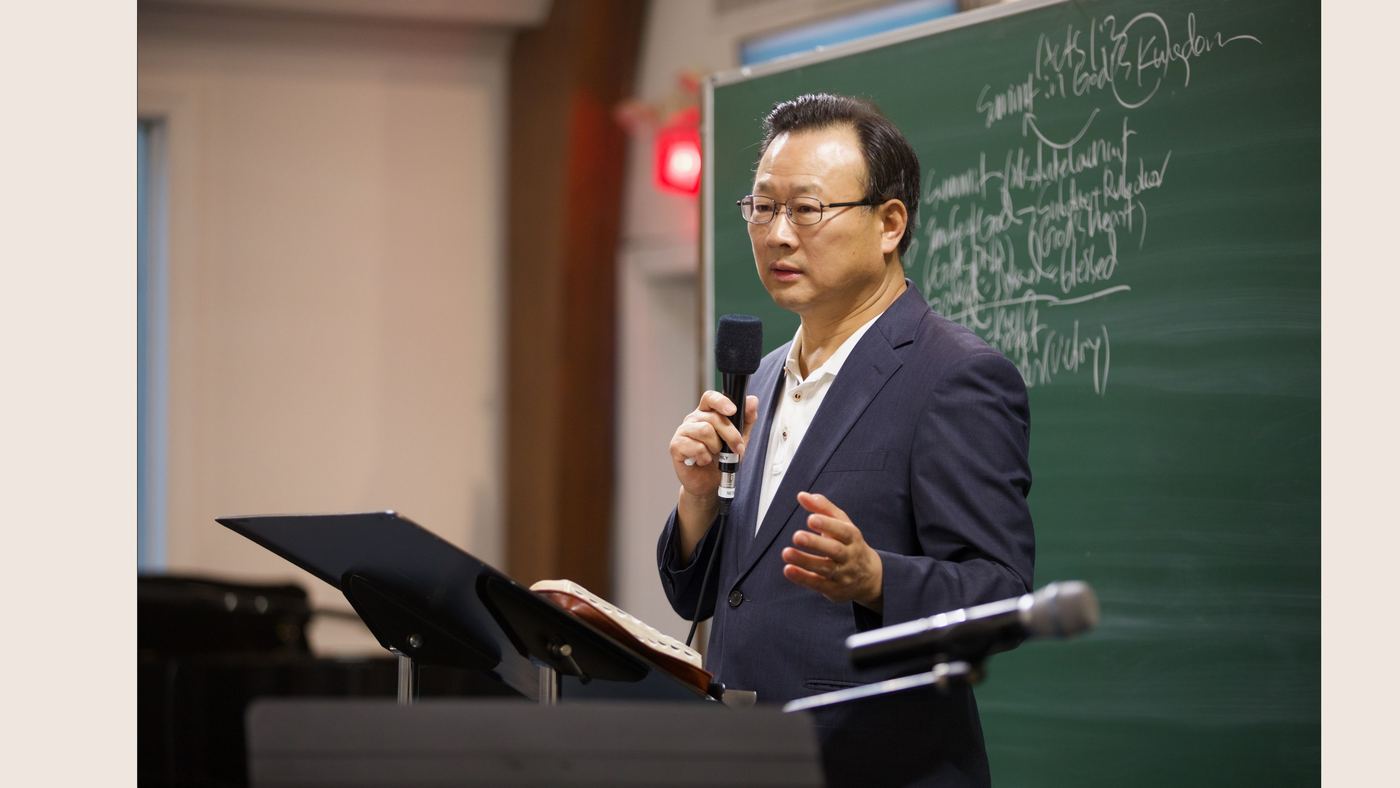
Today is Thanksgiving week. Although this holiday began with the Puritans who came to America as its first settlers, it was actually established as a national holiday because they observed biblical festivals in this new land. There is no other nation in the world that began with such a foundation of faith in God and gratitude toward Him.
In the Bible, this festival is called the Feast of Tabernacles (Deuteronomy 16:13–15) and the Feast of Ingathering (Exodus 23:16). It contains three absolute covenants and blessings that we are called to enjoy.
First, we are to give thanks to God for the blessings of His grace and the fruit of our labor throughout the year. We live in a world where problems and suffering continue, but God has protected us and upheld us through it all, just as He promised. There is nothing we have received that is not the result of His grace and blessing. That is why the Bible teaches us to give thanks not only for what we have already received, but also in anticipation of the blessings God will give us (Deuteronomy 16:15).
Second, just as seeds are planted and crops are harvested, a day will surely come when our lives are brought to account (Matthew 13:36–43). That will be the day Christ returns. At that time, the weeds will be gathered and removed, and judgment will come upon Satan, our enemy. The Bible says that everyone will be judged according to what they have done (2 Corinthians 5:10). Therefore, we are called to stand firm and always give ourselves fully to the work of the Lord (1 Corinthians 15:58).
Third, there is a spiritual covenant that we must hold on to and enjoy while we are living on this earth. Just as a farmer gathers into the barn the grain that has endured the summer heat, pests, and disease, we will overcome every obstacle and become blessed fruit gathered into God's heavenly storehouse. This is why John 15 describes the Father as the gardener, Christ as the vine, and us as the branches and fruit connected to Him. This is also why the festival is called the Feast of Ingathering.
Where does the strength come from to overcome the heat of summer and all kinds of pests and diseases? First, it comes from the labor of God, who is the gardener. It comes from the blessing of Christ, who is the vine. Through the strength that flows from Him, we are able to overcome everything. This blessing of spiritual strength is what we call spirituality. In today's passage, David enjoyed this blessing even as a young boy. The blessing of spirituality is not limited by age; it can be developed and trained.
1. Spirituality is a blessing originally given to all humanity.
1) It is the result of God creating humanity in His own image (Genesis 1:27). We are created to resemble God and carry His DNA. At the very heart of this identity is spirituality. From this spirituality come our creative power (creativity) and the character of God reflected in our lives.
2) More specifically, spirituality means living in the enjoyment of God's authority and power. God, who created all things, gave humanity the responsibility to subdue and rule over them. He commanded Adam to work in the Garden of Eden and take care of it. The English word occupation comes from this concept of carrying out a task or responsibility. The important question is, where did the strength to fulfill this responsibility come from?
3) Traditional Reformed theologians have explained that the word "subdue," (in Hebrew kabash), also includes the idea of spiritual warfare. Satan and the fallen spiritual beings created before humanity were targeting Adam and Eve. This is why God also gave humanity the mission and blessing of subduing and overcoming.
The first human beings failed at this very point. From then on, their relationship with God was broken, and humanity became oppressed by Satan.
Christ, the Son of God, came not only to resolve our sin and the curse. He came to rescue us from the devil's power (Luke 1:71), destroy the works of the devil (1 John 3:8), and heal those who were oppressed by the devil (Acts 10:38).
2. God desires His saved people to enjoy this spiritual authority and power and live as spiritual victors. This blessing is spirituality.
At the very least, we are to enjoy three kinds of authority and power in Christ.
1) The power of the Gospel. This is the power to save all sinful humanity through the blood of Christ and the power of His resurrection (Romans 1:16–17).
① We all have the fundamental problem. We have inherited the fallen nature that began with Adam (original sin described in Romans 5:12). There are also spiritual problems that have been passed down through our families. In our own lives, we carry personal sins, wounds, weaknesses, and anger. We absolutely cannot resolve these things by ourselves.
② That is why Christ died, rose again, and gave us His life (Romans 6:3). The Bible declares that no one can snatch us out of His hand (John 10:28). No one can condemn us, and no power or authority can separate us from the love of God (Romans 8:34–39). We must hold firmly to the Gospel at a 300% level through God's Word. Bring every hidden wound, pain, failure, and shame before the power of the gospel, and begin anew.
2) The power of the Holy Spirit. From the moment we are saved, the Holy Spirit comes to dwell within us (John 14:16–18).
① God does not leave us as orphans. He promises to help us. The first blessing that comes through His help is spirituality. When we hear and believe the Gospel of Christ, the Holy Spirit seals us and becomes the guarantee of our inheritance (Ephesians 1:13–14).
② When the Holy Spirit helps us, the kingdom of God comes within us (Luke 17:21; Romans 14:17). The forces of darkness are broken in our fields (Matthew 12:28). Difficulties may arise in our families, workplaces, and businesses. We must first break the forces of darkness and then wait for God's work to unfold. From the moment David was anointed, this blessing and power began to work in his life. When he played his instrument, the forces of darkness were driven away. The meaning of being "anointed" is the blessing of having the Holy Spirit with us. This blessing begins the moment we are saved.
3) The power of the heavenly throne. The Bible says that God established His throne in heaven and rules over all things with His sovereign authority (Psalm 103:19).
① Who is seated on the throne? Our eternal Father, who has adopted us as His children, is there. At His right hand is Christ, our Intercessor (Romans 8:34). The Bible says that Christ intercedes and prays for us (background of the heavenly throne, the blessing of the throne, and the bartizan of the throne).
② When God's people receive His Word and pray, He sends angels from His throne to accomplish His purposes (Psalm 103:20; Revelation 8:3–4). This is why the time we spend listening to God's Word, meditating on it, and praying is so important. The pulpit is the channel that connects us to the heavenly throne.
③ Especially for believers who are in evangelism and missions, the Lord of the heavenly throne promises to be with them personally and give them evidence of His work (Mark 16:19–20). That is why evangelism and missions are among the greatest ways to enjoy the blessings of the heavenly throne. This is the final covenant Christ gave us (Matthew 28:18–20).
3. Now we must make this prepared blessing of spirituality our own. This is spirituality training.
1) Spiritual training must begin in childhood and continue throughout our entire lives. When David was young, he tended his father's sheep, played his instrument, and sang praises to God. That was where his spiritual training began. There is a difference between someone who simply makes music and someone who makes music while longing for the deep things of God. The latter is music filled with spirituality. It is training.
2) Let your everyday life become a place where spirituality is developed and built up. This daily spirituality training. Paul emphasized this when he instructed Timothy to train himself for godliness in these last days (1 Timothy 4:7–8). Worship is training. Meditation on God's Word is training. Prayer is training. Make these things a priority in your everyday life and challenge yourself to establish them as regular habits. Later, even when David went to battle, he would first ask God in prayer whether He would grant permission and give him victory (2 Samuel 5:19).
3) The most painful and desperate moments are the greatest opportunities to train in spirituality, making God your only source of strength. Everyone whom God has used has passed through such times, developing a deep relationship with Him. It was through those experiences that their spirituality was formed. At such times, the forces of darkness that oppose us are brought down, and true peace and answers from God come. Psalm 23 is one of the clearest examples of the spirituality reflected in David's life.
Conclusion
In a world filled with difficulties, spirituality is the greatest power we can possess that enables us to overcome and save the world, and make our own lives the answer, evidence, and masterpiece.
Train Yourself in the Blessing of Spirituality (1 Samuel 16:14–23) November 22, 2026추수감사절이다. 미국에 첫 이민자로 들어온 청교도들이 시작한 절기이지만 사실은 성경에 기록된 절기를 그들이 이 땅에서 지키면서 국가적 기념일이 된 것이다. 전 세계에 이렇게 하나님을 향한 믿음과 감사로 시작한 나라가 없다. 성경에는 이 절기를 "초막절"(신16:13-15), "수장절"(출23:16)로 불렀다. 세가지 절대 언약과 누릴 축복이 담겨있다.
첫째는 한 해동안 수고한 것에 하나님이 주신 은혜의 축복과 열매에 대한 감사를 드리라는 것이다. 문제와 고통이 계속되는 세상이지만 약속대로 하나님이 그 속에서 우리를 보호하고 붙잡으신 것이다. 하나도 그 분의 은혜와 축복이 아닌 것이 없다. 그래서 성경은 받은 것이 아니고, 주실 축복을 기다리며 감사하라고 했다(신16:15).
둘째는 곡식을 심고 추수를 하듯이 반드시 우리 인생을 결산하는 날이 온다는 것이다(마13:36-43). 그리스도께서 다시 오시는 날이다. 그때 가라지도 뽑고, 원수 마귀의 심판도 이루어진다. 모든 사람이 각기 행한대로 판결을 받을 것이라고 했다(고후5:10). 그래서 흔들리지 많고 주의 일에 힘쓰는 자들이 되라고 한 것이다(고전15:58).
셋째는 이 땅에서 반드시 붙잡고 누려야 하는 영적인 언약이다. 농부가 한여름의 더위와 병충해들을 이겨낸 알곡들을 창고에 모으듯이 우리가 모든 것을 딛고 일어나 하나님의 천국 창고에 모여지는 축복된 열매가 될 것이다. 그래서 요15장에 아버지가 농부이고, 그리스도는 나무이고, 우리는 거기에 붙어있는 가지와 열매라고 한 것이다. 그래서 수장절이라고 한 것이다. 그 한 여름의 더위와 각종의 병충해를 이기는 힘이 어디서 나오겠는가? 먼저는 농부가 되신 하나님의 수고이고, 가지가 되신 그리스도의 축복이고, 거기서 나오는 힘으로 모든 것을 이기는 것이다. 그 힘의 축복이 그것이 영성이다. 본문에 다윗은 어린 시절에 그 축복을 누렸다. 영성의 축복은 나이에 상관없고, 훈련되는 것이다.
1. 이 영성은 모든 인생에게 처음부터 주신 축복이다.
1) 인간을 하나님의 형상대로 지은 결과이다(창1:27). 하나님을 닮은 자들, 하나님의 DNA를 가진 자들. 거기에 핵심이 영성이다. 그 영성에서 창조적인 능력(창조성)도 나오고, 하나님의 성품도 나오는 것이다.
2) 이 영성은 더 구체적으로 그 분의 권세와 능력을 누리는 상태를 말하는 것이다. 만물을 창조하신 하나님이 인간에게 그 만물을 정복하고 다스리게 하신 것이다. 에덴에서 수고하고, 에덴을 지키라고 했다. "직업"이라는 "occupation"이라는 단어가 여기서 나왔다. 중요한 것은 그 힘이 어디서 나왔겠는가?
3) 정통적인 개혁주의 신학자들은 여기 "정복"(히브리어의 "카바쉬")이라는 단어가 영적 싸움을 포함한다고 했다. 먼저 창조되었으나 타락한 사단의 영들이 아담과 하와를 노리고 있었고, 그래서 정복하라는 미션과 축복도 주셨다. 첫 인생이 여기서 무너진 것이다. 이때부터 하나님과의 관계는 무너지고, 사단에 짓눌려 사는 인생이 된 것이다. 하나님의 아들이신 그리스도가 오신 것은 죄와 저주만 해결한 것이 아니다. 그 마귀의 손에서 구원하시고(눅1:71), 그 마귀의 일을 멸하시고(요일3:8), 그 마귀에게 눌린 자들을 고치러 오셨다고 했다(행10:38).
2. 하나님은 구원받은 백성이 이 영적 권세와 능력을 누리며 영적 승리자로 살기를 원하신다. 이 축복이 영성이다.
적어도 그리스도 안에서 세가지 권세와 능력을 누리라는 것이다.
1) 복음의 능력이다. 모든 죄인된 인생을 그리스도의 피와 부활의 능력으로 구원하시는 능력이다(롬1:16-17).
① 우리에게 근원적인 문제가 있다. 아담에게 시작된 타락한 본성(롬5:12의 원죄)이 있다. 가문에 흘러온 영적 문제가 있다. 나 개인에게 있는 죄, 상처, 무능력, 분노들이 있다. 절대로 나 스스로 해결할 수가 없다.
② 그래서 그리스도가 죽으시고, 부활하시면서 그 분의 생명을 주셨다(롬6:3). 아무도 우리를 그 분의 손에서 빼앗아 갈 자가 없고(요10:28), 누구도 우리를 정죄할 수 없고, 어떤 권세와 능력도 우리를 향한 하나님의 사랑에게 끊어낼 자가 없다고 했다(롬8:34-39). 말씀 속에서 300% 복음 붙잡아야 한다. 우리의 숨은 상처, 고통, 실패, 부끄러움, 전부 이 복음의 능력 붙잡고, 새로 시작하라.
2) 성령의 능력이다. 구원받은 순간 성령이 내 안에 함께 하신 것이다(요14:16-18).
① 고아처럼 버려두지 않고, 우리를 도우실 것이라고 했다. 그 분이 도우실 때 나오는 첫 번째 것이 영성이다. 그리스도의 복음을 듣고 믿을 때에 성령이 내 안에 인을 치시고, 내 인생의 보증자가 된 것이다(엡1:13-14).
② 이 성령이 도우실 때 내 안에 하나님의 나라가 임한다(마17:21, 롬14:7). 내 현장에 흑암이 꺽인다(마12:28). 내 가정에서, 직장에서, 사업체에서 여러 가지 어려움이 온다. 흑암부터 꺽고, 하나님의 역사를 기다리면 된다. 다윗이 기름부음을 받는 순간부터 이 축복과 능력이 시작된 것이다. 악기를 연주하는데, 흑암이 꺽인 것이다. "기름부음을 받았다"는 의미가 성령이 함께 하는 축복을 의미하는 것이다. 구원받은 순간 시작된 것이다.
3) 보좌의 능력이다. 하나님이 하늘에 보좌를 세우시고, 왕권으로 만유를 다스리신다고 했다(시103:19).
① 보좌에 누가 계시는가? 우리를 자녀로 삼으신 영원한 아버지가 계시고, 그 우편에 우리의 중보자이신 그리스도가 계신다(롬8:34). 그 분이 우리를 위해 중보하시고, 기도하신다고 했다(보좌의 배경, 보좌의 축복, 보좌의 망대).
② 주의 백성이 말씀을 받고 기도할 때는 그것을 이루기 위해 보좌에서 천사를 보내신다고 했다(시103:20, 계8:3-4). 말씀을 듣고, 그 말씀을 묵상하고 기도하는 시간이 그래서 중요한다. 강단은 보좌와 우리를 연결하는 통로이다.
③ 특히 전도와 선교 속에 있는 성도들에게 보좌의 주님께서 직접 함께 하사 증거를 주실 것이라고 했다(막16:19-20). 그래서 전도와 선교는 보좌의 축복을 누리는 최고의 길이다. 그리스도의 마지막 언약이 이것이다(마28:18-20).
3. 이제 이 준비된 영성의 축복을 내 것으로 만들어야 한다. 그것이 영성 훈련이다.
1) 이 영성 훈련을 어린 시절에 시작해야 하고, 평생 해야 한다. 다윗이 어린 시절에 아버지 양을 치면서 악기를 연주하고, 찬양을 한 것이 그 시작이었다. 그냥 음악을 하는 사람이 있고, 하나님의 깊은 것을 사모하며 하는 음악이 있다. 영성이 담긴 음악이다. 훈련이다.
2) 평상시의 삶이 영성이 만들어지고, 쌓여지도록 하라. 평상시의 영성 훈련이다. 바울이 디모데에게 "이 마지막 때에 경건에 이르기를 연습하라(훈련하라)"고 강조한 것이 그것이다(딤전4:7-8). 예배도 훈련이고, 묵상도 훈련이고, 기도도 훈련이다. 평상시 삶에서 우선권이 되게 하고, 루틴이 되도록 도전하라. 나중에 다윗은 전쟁을 할 때도 하나님이 허락하시고, 이기게 하실 것인지를 기도로 물어보고 했다(삼하5:19).
3) 가장 아프고, 절망스러운 시간은 그 분이 나의 오직이 되는 영성 훈련의 최고의 기회이다. 하나님이 쓰신 사람들은 전부 이 시간을 통과하며 하나님과 깊은 관계를 누리며, 거기서 영성이 만들어진 것이다. 그때 훼방하는 흑암 세력들이 무너지고, 참 평안과 응답이 온다. 시편 23편은 다윗의 영성이 담긴 대표적 시편이다.
결론
어려움 가득한 세상에서 세상을 이기고, 살리고, 내 인생이 응답과 증거, 작품이 되는 최고의 힘이 영성이다.
영성의 축복을 훈련하라 (삼상 16:14-23) November 22, 202614El Espíritu del Señor se apartó de Saúl y en su lugar el Señor envió un espíritu maligno para que lo atormentara. 15Sus servidores dijeron: —Como usted se dará cuenta, un espíritu maligno de parte de Dios lo está atormentando. 16Así que ordene usted a estos siervos suyos que busquen a alguien que sepa tocar el arpa. Así, cuando lo ataque el espíritu maligno de parte de Dios, el músico tocará y usted se sentirá mejor. 17—Bien —respondió Saúl—, consíganme un buen músico y tráiganlo. 18Uno de los cortesanos sugirió: —Conozco a un muchacho que sabe tocar el arpa. Es valiente, hábil guerrero, sabe expresarse y es de buena presencia. Además, el Señor está con él. Su padre es Isaí, el de Belén. 19Entonces Saúl envió unos mensajeros a Isaí para decirle: «Mándame a tu hijo David, el que cuida del rebaño». 20Isaí tomó un asno, alimento, un odre de vino y un cabrito, y se los envió a Saúl por medio de su hijo David. 21Cuando David llegó, se puso al servicio de Saúl, quien lo llegó a apreciar mucho y lo hizo su escudero. 22Luego Saúl mandó este mensaje a Isaí: «Permite que David se quede a mi servicio, pues me ha causado muy buena impresión». 23Cada vez que el espíritu de parte de Dios atormentaba a Saúl, David tomaba su arpa y tocaba. La música calmaba a Saúl, lo hacía sentirse mejor y el espíritu maligno se apartaba de él.
Hoy es la semana de Acción de Gracias. Si bien esta festividad se originó con los puritanos que llegaron a América como sus primeros colonos, en realidad se estableció como fiesta nacional porque celebraban festividades bíblicas en esta nueva tierra. No existe otra nación en el mundo que haya comenzado con una base tan sólida de fe en Dios y gratitud hacia Él.
En la Biblia, esta festividad se llama Fiesta de los Tabernáculos (Deuteronomio 16:13–15) y Fiesta de la Cosecha (Éxodo 23:16). Contiene tres pactos y bendiciones absolutas que estamos llamados a disfrutar.
En primer lugar, debemos dar gracias a Dios por las bendiciones de su gracia y el fruto de nuestro trabajo a lo largo del año. Vivimos en un mundo donde los problemas y el sufrimiento persisten, pero Dios nos ha protegido y sostenido en todo momento, tal como lo prometió. No hay nada que hayamos recibido que no sea resultado de su gracia y bendición. Por eso la Biblia nos enseña a dar gracias no solo por lo que ya hemos recibido, sino también por las bendiciones que Dios nos dará (Deuteronomio 16:15).
En segundo lugar, así como se siembran las semillas y se cosechan los cultivos, sin duda llegará el día en que nuestras vidas serán juzgadas (Mateo 13:36–43). Ese será el día en que Cristo regrese. En ese momento, la cizaña será arrancada y el juicio caerá sobre Satanás, nuestro enemigo. La Biblia dice que cada uno será juzgado según sus obras (2 Corintios 5:10). Por lo tanto, estamos llamados a mantenernos firmes y a entregarnos siempre por completo a la obra del Señor (1 Corintios 15:58).
En tercer lugar, existe un pacto espiritual al que debemos aferrarnos y del que debemos disfrutar mientras vivimos en esta tierra. Así como un agricultor recoge en el granero el grano que ha resistido el calor del verano, las plagas y las enfermedades, nosotros superaremos todo obstáculo y nos convertiremos en fruto bendito recogido en el almacén celestial de Dios. Por eso Juan 15 describe al Padre como el jardinero, a Cristo como la vid y a nosotros como las ramas y el fruto unidos a Él. Por eso también la fiesta se llama Fiesta de la Cosecha.
¿De dónde proviene la fuerza para vencer el calor del verano y toda clase de plagas y enfermedades? En primer lugar, proviene de la obra de Dios, que es el jardinero. Proviene de la bendición de Cristo, que es la vid. Mediante la fuerza que emana de Él, podemos vencerlo todo. Esta bendición de fortaleza espiritual es lo que llamamos espiritualidad. En el pasaje de hoy, David disfrutó de esta bendición incluso siendo niño. La bendición de la espiritualidad no tiene límite de edad; se puede desarrollar y cultivar.
1. La espiritualidad es una bendición otorgada originalmente a toda la humanidad.
1) Es el resultado de que Dios creara a la humanidad a su imagen y semejanza (Génesis 1:27). Fuimos creados a semejanza de Dios y llevamos su ADN. En el centro mismo de esta identidad se encuentra la espiritualidad. De esta espiritualidad emana nuestro poder creativo y el carácter de Dios reflejado en nuestras vidas.
2) Más específicamente, la espiritualidad significa vivir disfrutando de la autoridad y el poder de Dios. Dios, que creó todas las cosas, le dio a la humanidad la responsabilidad de someterlas y gobernarlas. Le ordenó a Adán que trabajara en el Jardín del Edén y lo cuidara. La palabra ocupación proviene de este concepto de llevar a cabo una tarea o responsabilidad. La pregunta importante es: ¿de dónde surgió la fuerza para cumplir con esta responsabilidad?
3) Los teólogos reformados tradicionales han explicado que la palabra "someter" (en hebreo kabaš) también incluye la idea de la guerra espiritual. Satanás y los seres espirituales caídos, creados antes que la humanidad, tenían como objetivo a Adán y Eva. Por eso Dios también le dio a la humanidad la misión y la bendición de someterlos y vencerlos.
Los primeros seres humanos fracasaron precisamente en este punto. A partir de entonces, su relación con Dios se rompió y la humanidad quedó oprimida por Satanás.
Cristo, el Hijo de Dios, no vino solo para resolver nuestro pecado y la maldición, sino también para rescatarnos del poder del diablo (Lucas 1:71), destruir sus obras (1 Juan 3:8) y sanar a los oprimidos por él (Hechos 10:38).
2. Dios desea que su pueblo salvado disfrute de esta autoridad y poder espiritual y viva como vencedor espiritual. Esta bendición es la espiritualidad.
Como mínimo, en Cristo disfrutaremos de tres tipos de autoridad y poder.
1) El poder del Evangelio. Este es el poder para salvar a toda la humanidad pecadora mediante la sangre de Cristo y el poder de su resurrección (Romanos 1:16–17).
① Todos tenemos el problema fundamental. Hemos heredado la naturaleza caída que comenzó con Adán (el pecado original descrito en Romanos 5:12). También existen problemas espirituales que se han transmitido de generación en generación. En nuestra vida diaria, cargamos con pecados personales, heridas, debilidades e ira. No podemos resolver estas cosas por nosotros mismos.
② Por eso Cristo murió, resucitó y nos dio su vida (Romanos 6:3). La Biblia declara que nadie puede arrebatarnos de su mano (Juan 10:28). Nadie puede condenarnos, y ningún poder ni autoridad puede separarnos del amor de Dios (Romanos 8:34–39). Debemos aferrarnos firmemente al Evangelio al 300% a través de la Palabra de Dios. Lleva cada herida oculta, dolor, fracaso y vergüenza ante el poder del evangelio, y comienza de nuevo.
2) El poder del Espíritu Santo. Desde el momento en que somos salvos, el Espíritu Santo viene a morar en nosotros (Juan 14:16–18).
① Dios no nos deja huérfanos. Él promete ayudarnos. La primera bendición que llega a través de Su ayuda es la espiritualidad. Cuando escuchamos y creemos en el Evangelio de Cristo, el Espíritu Santo nos sella y se convierte en la garantía de nuestra herencia (Efesios 1:13–14).
② Cuando el Espíritu Santo nos ayuda, el reino de Dios entra en nosotros (Mateo 17:21; Romanos 14:17). Las fuerzas de la oscuridad son quebrantadas en nuestros campos (Mateo 12:28). Pueden surgir dificultades en nuestras familias, lugares de trabajo y negocios. Primero debemos vencer las fuerzas de la oscuridad y luego esperar a que la obra de Dios se manifieste. Desde el momento en que David fue ungido, esta bendición y poder comenzaron a obrar en su vida. Cuando tocaba su instrumento, las fuerzas de la oscuridad se alejaban. El significado de ser «ungido» es la bendición de tener al Espíritu Santo con nosotros. Esta bendición comienza en el momento en que somos salvos.
3) El poder del trono celestial. La Biblia dice que Dios estableció su trono en el cielo y gobierna sobre todas las cosas con su autoridad soberana (Salmo 103:19).
① ¿Quién está sentado en el trono? Nuestro Padre eterno, que nos ha adoptado como hijos suyos, está allí. A su diestra está Cristo, nuestro Intercesor (Romanos 8:34). La Biblia dice que Cristo intercede y ora por nosotros (fondo del trono celestial, la bendición del trono y la torre del trono).
② Cuando el pueblo de Dios recibe Su Palabra y ora, Él envía ángeles desde Su trono para cumplir Sus propósitos (Salmo 103:20; Apocalipsis 8:3–4). Por eso es tan importante el tiempo que dedicamos a escuchar la Palabra de Dios, a meditar en ella y a orar. El púlpito es el canal que nos conecta con el trono celestial.
③ Especialmente para los creyentes que se dedican a la evangelización y las misiones, el Señor del trono celestial promete estar con ellos personalmente y darles evidencia de su obra (Marcos 16:19–20). Por eso, la evangelización y las misiones son algunas de las mejores maneras de disfrutar de las bendiciones del trono celestial. Este es el pacto final que Cristo nos dio (Mateo 28:18–20).
3. Ahora debemos hacer nuestra esta bendición espiritual preparada. Esto es entrenamiento espiritual.
1) La formación espiritual debe comenzar en la infancia y continuar a lo largo de toda nuestra vida. Cuando David era joven, cuidaba las ovejas de su padre, tocaba su instrumento y cantaba alabanzas a Dios. Allí comenzó su formación espiritual. Hay una diferencia entre quien simplemente hace música y quien la hace anhelando las profundidades de Dios. Esta última es música llena de espiritualidad. Es un aprendizaje.
2) Deja que tu vida cotidiana se convierta en un lugar donde la espiritualidad se desarrolle y se fortalezca. Este es el entrenamiento espiritual diario. Pablo hizo hincapié en esto cuando instruyó a Timoteo a que se ejercitara en la piedad en estos últimos días (1 Timoteo 4:7–8). La adoración es entrenamiento. La meditación en la Palabra de Dios es entrenamiento. La oración es entrenamiento. Haz de estas cosas una prioridad en tu vida diaria y proponte convertirlas en hábitos regulares. Más tarde, incluso cuando David iba a la batalla, primero le pedía a Dios en oración si Él le concedería permiso y le daría la victoria (2 Samuel 5:19).
3) Los momentos más dolorosos y desesperados son las mayores oportunidades para entrenarse en la espiritualidad, haciendo de Dios tu única fuente de fortaleza. Todos aquellos a quienes Dios ha usado han pasado por momentos así, desarrollando una profunda relación con Él. Fue a través de esas experiencias que se formó su espiritualidad. En esos momentos, las fuerzas de la oscuridad que se oponen a nosotros son derrotadas, y llegan la verdadera paz y las respuestas de Dios. El Salmo 23 es uno de los ejemplos más claros de la espiritualidad que se refleja en la vida de David.
Conclusión
En un mundo lleno de dificultades, la espiritualidad es el mayor poder que podemos poseer, el cual nos permite superarlas, salvar el mundo y hacer de nuestras propias vidas la respuesta, la evidencia y la obra maestra.
Entrénate en la bendición de la espiritualidad (1 Samuel 16:14–23) November 22, 2026圣经本文 · 撒母耳记上16:14-23
14耶和华的灵离开扫罗,有恶魔从耶和华那里来扰乱他。15扫罗的臣仆对他说:“现在有恶魔从神那里来扰乱你。16我们的主可以吩咐面前的臣仆,找一个善于弹琴的来,等神那里来的恶魔临到你身上的时候,使他用手弹琴,你就好了。”17扫罗对臣仆说:“你们可以为我找一个善于弹琴的,带到我这里来。”18其中有一个少年人说:“我曾见伯利恒人耶西的一个儿子善于弹琴,是大有勇敢的战士,说话合宜,容貌俊美,耶和华也与他同在。”19于是扫罗差遣使者去见耶西,说:“请你打发你放羊的儿子大卫到我这里来。”20耶西就把几个饼和一皮袋酒,并一只山羊羔,都驮在驴上,交在他儿子大卫的手中,送与扫罗。21大卫到了扫罗那里,就侍立在扫罗面前。扫罗甚喜爱他,他就作了扫罗拿兵器的人。22扫罗差遣人去见耶西,说:“求你容大卫侍立在我面前,因为他在我眼前蒙了恩。”23从神那里来的恶魔临到扫罗身上的时候,大卫就拿琴,用手而弹,扫罗便舒畅爽快,恶魔离了他。
今天是感恩节主日。虽然这个节期始于最早移居美国的清教徒,但实际上,是他们在这片土地上遵守圣经所记载的节期,后来逐渐成为全国性的纪念日。世界上没有哪个国家像这样,以对神的信仰和感恩作为立国的起点。
圣经称这个节期为“住棚节”(申16:13–15)和“收藏节”(出23:16)。其中包含三个绝对的应许,以及我们应当享受的祝福。
第一,要为一年来劳苦中神所赐的恩典、祝福和果实献上感谢。 虽然这个世界充满不断发生的问题和痛苦,但神按照祂的应许,在其中保护并扶持了我们。没有一样不是出于祂的恩典和祝福。因此,圣经教导我们,不仅要为已经领受的感恩,也要怀着对神将赐之福的盼望献上感谢(申16:15)。
第二,正如撒种之后必有收割,我们的人生也必有交账的日子(太13:36–43)。 那就是基督再来的日子。到那时,稗子要被拔除,仇敌魔鬼也要受到审判。圣经说,各人都要按着自己所行的接受审判(林后5:10)。所以,我们要坚固,不可摇动,常常竭力多做主工(林前15:58)。
第三,这是我们在地上必须持守并享受的属灵应许。 正如农夫把经受盛夏酷热和各种病虫害的饱满谷粒收进仓里,我们也要胜过这一切,成为蒙福的果实,被收进神天国的仓里。因此,约翰福音15章说,父是栽培的人,基督是葡萄树,我们是连于祂的枝子,并要结出果子。这也是“收藏节”所表达的意义。
那么,胜过盛夏酷热和各种病虫害的力量从哪里来呢?首先,来自作为农夫的神所付出的劳苦,也来自作为葡萄树的基督所赐的祝福。我们靠着从祂而来的力量胜过一切。这种力量的祝福,就是属灵生命的能力,也就是灵性。经文中的大卫从年幼时就享受了这祝福。属灵的祝福与年龄无关,是可以操练的。
1. 这属灵生命的祝福,是神起初就赐给所有人的。
1)这是人按着神的形象被造的结果(创1:27)。 人是像神的受造者,拥有属神的“DNA”,其中的核心就是灵性。创造的能力,也就是创造力,以及神的性情,都从这样的属灵生命中流露出来。
2)更具体地说,灵性是指享受神的权柄和能力的状态。 创造万物的神,让人治理并管理万物。祂吩咐人在伊甸园中作工,并看守园子。“职业”一词——“occupation”——也与此有关。重要的是,这力量究竟从哪里来?
3)正统的改革宗神学家指出,这里的“征服”(希伯来语“kabash”)一词包含属灵争战的意义。 先被造、后来堕落的撒但邪灵,正窥伺着亚当和夏娃,因此,神也赐下了制伏的使命和祝福。最初的人就在这一点上失败了。从此,人与神的关系破裂,人生落在撒但的压制之下。神的儿子基督来到世上,不只是为了解决罪和咒诅。祂来,是要救我们脱离仇敌的手(路1:71),除灭魔鬼的作为(约壹3:8),并医治一切被魔鬼压制的人(徒10:38)。
2. 神愿得救的百姓享受这属灵的权柄和能力,过属灵得胜者的生活。这祝福就是灵性。
也就是说,我们至少要在基督里享受以下三种权柄和能力。
1)福音的能力。 这是借着基督的宝血和复活的大能,拯救一切罪人的能力(罗1:16–17)。
① 我们有根本性的问题: 从亚当开始的堕落本性,也就是原罪(罗5:12);家族中流传下来的属灵问题;以及我们个人的罪、伤痛、无能和愤怒。这些问题,绝不是靠自己就能解决的。
② 因此,基督为我们死,又从死里复活,将祂的生命赐给了我们(罗6:3)。 没有人能把我们从祂手中夺去(约10:28);没有人能定我们的罪,也没有任何权势和能力能使我们与神的爱隔绝(罗8:34–39)。我们必须在神的话语中,百分之三百地持定福音。无论我们有什么隐藏的伤痛、痛苦、失败和羞耻,都要持定这福音的能力,重新开始。
2)圣灵的能力。 从我们得救的那一刻起,圣灵就住在我们里面,与我们同在(约14:16–18)。
① 神不会撇下我们为孤儿,必定帮助我们。当祂帮助我们时,显明的就是第一灵性。 当我们听见并相信基督的福音时,圣灵就在我们里面盖上印记,成为我们人生的保证(弗1:13–14)。
② 当圣灵帮助我们时,神的国就临到我们里面(太17:21;罗14:7),我们所在之处的黑暗权势也被打破(太12:28)。 我们的家庭、职场和事业中,会遇到各种困难。要先打破黑暗的权势,并等候神的作为。从大卫受膏的那一刻起,这祝福和能力就开始临到他。他弹奏乐器时,黑暗的权势就退去了。“受膏”意味着圣灵同在的祝福。这祝福从我们得救的那一刻就开始了。
3)宝座的能力。 神在天上立定宝座,以祂的王权统管万有(诗103:19)。
① 宝座上有谁呢? 有那位收纳我们为儿女的永恒之父;在祂的右边,有我们的中保基督(罗8:34)。祂为我们代求、祷告。这就是宝座的后盾、宝座的祝福、宝座的守望台。
② 当主的百姓领受话语并祷告时,神差遣天使,为要成就祂的话语(诗103:20;启8:3–4)。 因此,聆听神的话语、默想话语并祷告的时间十分重要。讲台是连接宝座与我们的通道。
③ 尤其对于投身传道和宣教的圣徒,宝座上的主必亲自与他们同在,赐下见证(可16:19–20)。 所以,传道和宣教是享受宝座祝福的最佳途径。这就是基督最后赐下的应许(太28:18–20)。
3. 如今,我们要使这已经预备好的属灵祝福成为自己的。这就是属灵操练。
1)属灵操练要从年幼时开始,并持续一生。 大卫年幼时,一边牧养父亲的羊群,一边弹奏乐器、赞美神,这就是他属灵操练的开始。有人只是演奏音乐,也有人怀着渴慕神深奥之事的心来演奏。这样的音乐承载着属灵生命,也是一种属灵操练。
2)要让属灵生命在日常生活中不断被塑造、积累。这就是日常的属灵操练。 保罗劝勉提摩太,在这末后的日子里,“要操练自己,达到敬虔”,强调的正是这一点(提前4:7–8)。敬拜是操练,默想是操练,祷告也是操练。要努力让这些成为日常生活中优先的事,并养成习惯。后来,大卫即使出征作战,也会先祷告求问神是否允许他出战,是否会使他得胜,然后才行动(撒下5:19)。
3)最痛苦、最绝望的时刻,是操练让神成为我们唯一倚靠的最佳机会。 凡被神使用的人,都经历过这样的时刻。他们在其中享受与神深厚的关系,属灵生命也在其中被塑造。那时,拦阻我们的黑暗权势就会崩溃,真正的平安和祷告的应允便会临到。诗篇23篇,就是体现大卫属灵生命的代表性诗篇。
结论
在这个充满困难的世界里,使我们胜过世界、救活他人,并使我们的人生成成为祷告的应允、见证和神的杰作的最大力量,就是属灵生命的能力。
本周默想与应用
提摩太前书4:7–8
7只是要弃绝那世俗的言语和老妇荒渺的话,在敬虔上操练自己。8操练身体,益处还少;惟独敬虔,凡事都有益处,因有今生和来生的应许。
- 我的问题
- 话语中神赐的答案
- 安慰与力量
- 更新与改变
- 信心的挑战
- 这周要默想的话语
- 这周的祷告题目
- 这周的传道对象
1 Samuel 16:1–7 · 15 de noviembre de 2026
El SEÑOR dijo a Samuel: —¿Cuánto tiempo vas a quedarte llorando por Saúl, si ya lo he rechazado como rey de Israel? Mejor llena de aceite tu cuerno y ponte en camino. Voy a enviarte a Belén, a la casa de Isaí, pues he escogido como rey a uno de sus hijos. 2—¿Y cómo voy a ir? —respondió Samuel—. Si Saúl llega a enterarse, me matará. —Lleva una ternera —dijo el SEÑOR—, y diles que vas a ofrecerle al SEÑOR un sacrificio. 3Invita a Isaí al sacrificio y entonces te explicaré lo que debes hacer, pues ungirás para mi servicio a quien yo te diga. 4Samuel hizo lo que el SEÑOR mandó. Pero cuando llegó a Belén, los jefes del pueblo lo recibieron con mucho temor. —¿Vienes en son de paz? —preguntaron. 5—Claro que sí. He venido a ofrecerle al SEÑOR un sacrificio. Conságrense y vengan conmigo para tomar parte en él. Entonces Samuel consagró a Isaí y a sus hijos, y los invitó al sacrificio. 6Cuando llegaron, Samuel se fijó en Eliab y pensó: «Sin duda que este es el ungido del SEÑOR». 7Pero el SEÑOR dijo a Samuel: —No te dejes impresionar por su apariencia ni por su estatura, pues yo lo he rechazado. La gente se fija en las apariencias, pero yo me fijo en el corazón.
Por fin, la era de Saúl llega a su fin y la de David se prepara. Una nueva generación no surge de repente. Dios prepara a David, lo unge y lo prepara para el futuro. En el versículo 1 de la lectura de hoy, Dios identifica a David como hijo de Isaí, un hombre de Belén, de la tribu de Judá. Esto fue el cumplimiento de la larga preparación y profecía de Dios (Génesis 49:10).
En lo que debemos centrarnos es, ¿por qué David? David tenía siete hermanos mayores que parecían tener la apariencia y las aptitudes propias de un rey. Sin embargo, Dios eligió a David, el menor. Sus hermanos mayores eran tan impresionantes que incluso Samuel, el siervo del Señor, quedó asombrado por su buena presencia. En ese momento, Dios pronunció esas importantes palabras que tan bien conocemos.
"El hombre mira las apariencias, pero el Señor mira el corazón" (Versículo 7).
La expresión "Dios mira el corazón" encierra varios significados.
En primer lugar, la palabra hebrea para "corazón" se refiere al corazón, la mente, las emociones y la voluntad de una persona. Aunque estas cualidades no sean inmediatamente visibles, en última instancia determinan el carácter de una persona y el rumbo de su vida. Por eso es importante dedicar tiempo a conocer a los demás. Solo entonces se hacen evidentes estas cualidades internas. Desde Génesis 6 hasta hoy, la gente ha seguido juzgando a los demás por las apariencias. Como resultado, son engañados, estafados y, a veces, malinterpretados a lo largo de toda su vida. Incluso la psicología reconoce que la primera impresión que causa una persona, en particular su apariencia externa, es uno de los primeros factores que influyen en si los demás se sienten atraídos por ella (aproximadamente un 45%).
En segundo lugar, el corazón se refiere a la diligencia de una persona en la vida. David demostró esta cualidad incluso mientras cuidaba las ovejas de su padre (Salmo 78:72). Para asegurarse de que no se perdiera ni una sola oveja de las que su padre le había confiado, David aprendió a usar la honda. Esa misma habilidad se convirtió más tarde en un arma secreta en su victoria sobre Goliat.
En tercer lugar, el corazón se refiere al profundo anhelo de una persona por Dios. Ya sea que David estuviera cuidando ovejas, soportando dificultades, sirviendo como rey o experimentando un fracaso vergonzoso, su profundo anhelo por la gracia y el amor de Dios que queda registrado a lo largo de los Salmos. Este anhelo era tan profundo que animo a cualquiera que desee una relación más profunda con Dios o que esté pasando por momentos difíciles a meditar profundamente en los Salmos.
Hay algo fundamental en una vida como esta. Ante todo, es la clave para disfrutar de una relación profunda con Dios. Esa clave es el Evangelio.
Cuando Dios miró a David, dijo: "He hallado a David, hijo de Isaí, un hombre conforme a mi corazón, que hará toda mi voluntad." (Hechos 13:22). ¿Era David un hombre perfecto, sin defectos? No. Sin embargo, Dios siguió usándolo hasta el final de su vida (1 Crónicas 29:28).
¿Qué es exactamente este Evangelio? ¿Qué necesitamos para que Dios nos use a lo largo de toda nuestra vida, hasta el final?
1. Comienza con comprender verdaderamente el evangelio.
Simplemente saber acerca del evangelio es conocimiento. Comprenderlo verdaderamente se convierte en un poder práctico. El Evangelio es el pacto (Efesios 2:8 "don de la gracia de Dios") que Dios nos dio misericordiosamente cuando la humanidad cayó en el pecado y la maldición comenzó en Génesis. Es un pacto superior mediante el cual Cristo intercede por nosotros, aun cuando somos pecadores (Hebreos 8:6). Es el nuevo pacto mediante el cual todos nuestros pecados son redimidos eternamente (Hebreos 9:15). Aquel que vino según esta promesa es Cristo, el Hijo de Dios. Su venida fue proclamada como una buena noticia de gran alegría, el Evangelio (Lucas 2:10).
1) El corazón de Dios está contenido en este Evangelio. El corazón de David estaba en armonía con el corazón de Dios. El carácter de Dios tiene dos aspectos. Lo primero es su rectitud y justicia. Esto incluye la equidad y el juicio que de ella emana. Esto refleja la perfecta razón de Dios. Después de la caída de Adán y Eva, el juicio cayó sobre toda la humanidad (Romanos 5:12), y el diablo mismo está destinado al juicio eterno (Mateo 25:41). El segundo es el amor. Es el corazón de Dios que nunca abandona a aquellos que ha creado y elegido, ni siquiera hasta el final. Por eso la Biblia dice que, mientras toda la humanidad seguía atrapada en el pecado, Dios demostró su amor por nosotros enviando a Cristo (Romanos 5:8).
2) El Evangelio contiene tres cosas que revelan el corazón de Dios.
① El plan absoluto de Dios para toda la humanidad. Por eso nos creó a su imagen y semejanza. Él no discrimina a nadie. No muestra favoritismo hacia ricos ni pobres, instruidos ni ignorantes, poderosos ni débiles. Su corazón es como el de un padre.
② El amor absoluto de Dios por toda la humanidad. La Biblia dice que Dios no quiere que nadie perezca (Juan 3:16). Por eso le dio a la humanidad caída el pacto del Evangelio en Génesis 3:15 y 3:21. Todo problema en la vida humana comenzó con el pecado y la caída de Adán y Eva. Detrás de todo estaba Satanás, quien engañó a la humanidad y la hizo caer (Juan 8:44). Toda la humanidad heredó esa naturaleza pecaminosa y continúa cautiva de Satanás, sufriendo las consecuencias de su obra (1 Juan 3:8). Toda persona lleva consigo heridas ocultas (problemas familiares, experiencias de la infancia y sucesos del pasado). Estas heridas pueden convertirse en trampas de por vida y desarrollarse en problemas espirituales (Hechos 10:38). Los trastornos de la personalidad, los trastornos de pánico, las tendencias obsesivo-compulsivas, la depresión, las adicciones y otras luchas mentales pueden tener su origen en estos problemas. Cristo vino a sanar estas heridas mediante su amor sacrificial, entregándose a sí mismo por nosotros (Isaías 61:1).
③ El poder absoluto de Dios para salvar, dar vida y sanar a toda la humanidad. Dios confirmó este poder mediante la resurrección de Cristo. Gracias al poder de su resurrección, cualquiera puede ser sanado y comenzar de nuevo. Mediante su resurrección, Cristo destruyó la autoridad de Satanás (1 Corintios 15:25) y nos dio vida eterna (Romanos 6:4). Por eso, incluso alguien como Pablo, perseguidor y hombre violento, pudo ser utilizado para la evangelización mundial. Él dio testimonio del poder del Evangelio (Romanos 1:17).
2. El evangelio se convierte en mi evangelio solo cuando lo experimento.
Solo cuando experimentamos el Evangelio se convierte en algo tan precioso que estamos dispuestos a arriesgar nuestras vidas por él (Hechos 20:24).
1) Experimenta el Evangelio al meditar en la Palabra de Dios. La Biblia contiene tanto la Ley como el Evangelio. Dios nos dio ambos porque los necesitamos. Cuando nos enfrentamos a la Ley, debemos reconocer la naturaleza pecaminosa, la impotencia y la maldad de la humanidad. Esto nos permite mantenernos humildes a lo largo de nuestra vida. El Evangelio nos enseña que Dios nunca abandona esas vidas. Aunque nos discipline por un tiempo, nos da otra oportunidad. Incluso su disciplina es una expresión de su amor (Hebreos 12:8).
2) Experimenta el poder del Evangelio a través de la oración. Un milagro puede ocurrir en nuestro interior, incluso cuando estamos débiles, enfermos, derrotados o sufriendo. Cuando oramos, los ángeles son enviados para servir a los propósitos de Dios (Hebreos 1:14), y el poder de Satanás es quebrantado (Marcos 9:29). Entrénate para resolver todos tus problemas a través de la oración.
3) Experimenta el Evangelio a través de los problemas y el sufrimiento que enfrentas. Esta es también la razón por la que Dios a veces permite el sufrimiento temporal y el fracaso en la vida de personas como David y Pedro. A través de estas experiencias, llegamos a darnos cuenta de que "en realidad soy una persona muy débil". "Soy una persona que comete errores y experimenta el fracaso." Por eso necesito solo el Evangelio. Necesito solo la gracia y el poder de Dios. De aquí vienen las lágrimas, y de aquí también surgen los milagros (2 Reyes 20:5; 2 Timoteo 2:4).
3. Cuando compartimos el evangelio, sus bendiciones se multiplican. Esto es evangelización y misiones.
Aunque la persecución y la pérdida puedan sobrevenir a causa del Evangelio, Dios promete bendiciones multiplicadas por cien por lo que hemos sacrificado por su causa (Marcos 10:29–30).
1) La evangelización y las misiones significan llevar el corazón de Dios y traer sus respuestas y su luz a quienes sufren. Somos mensajeros de Dios, sus heraldos, proclamando su mensaje (Himnario "Heraldos de la Luz"). Por eso Dios transforma incluso nuestras debilidades, sufrimientos y lágrimas en testimonios.
2) La evangelización y las misiones nos llenan del corazón de Dios y nos dan vida. Al evangelizar y participar en misiones, recibimos la gracia y nosotros mismos somos reavivados. Cuando vemos que incluso una sola persona cobra vida gracias al Evangelio, nosotros mismos nos llenamos de alegría.
3) La evangelización y las misiones son la conclusión última del Evangelio. Por eso Jesús nos mandó ir a todas las naciones y hasta los confines de la tierra. Una vez que esta obra esté terminada, vendrá el fin (Mateo 24:14), y comenzarán el cielo nuevo y la tierra nueva.
Conclusión
El corazón que Dios desea ver en nosotros es un corazón centrado en el evangelio. Es su corazón el que nos da vida a nosotros y a todos.
El corazón que el Señor busca (1 Samuel 16:1–7) November 15, 2026圣经本文 · 撒母耳记上16:1-7
1耶和华对撒母耳说:“我既厌弃扫罗作以色列的王,你为他悲伤要到几时呢?你将膏油盛满了角,我差遣你往伯利恒人耶西那里去,因为我在他众子之内预定一个作王的。”2撒母耳说:“我怎能去呢?扫罗若听见,必要杀我。”耶和华说:“你可以带一只牛犊去,就说:‘我来是要向耶和华献祭。’3你要请耶西来吃祭肉,我就指示你所当行的事。我所指给你的人,你要膏他。”4撒母耳就照耶和华的话去行。到了伯利恒,那城里的长老都战战兢兢地出来迎接他,问他说:“你是为平安来的吗?”5他说:“为平安来的,我是给耶和华献祭。你们当自洁,来与我同吃祭肉。”撒母耳就使耶西和他众子自洁,请他们来吃祭肉。6他们来的时候,撒母耳看见以利押,就心里说:“耶和华的受膏者必定在他面前。”7耶和华却对撒母耳说:“不要看他的外貌和他身材高大,我不拣选他。因为,耶和华不像人看人:人是看外貌;耶和华是看内心。”
终于,扫罗的时代过去,大卫的时代正在预备之中。一个时代的改变并不是突然发生的。神预备了大卫,膏立他,借此预备未来。本文第1节指出,大卫是属于犹大支派、伯利恒人耶西的儿子。这是神长久以来的预备,也是预言的应验(创49:10)。
我们要关注的是:为什么是大卫?在他上面,还有七位具备外貌或能力的哥哥,神却拣选了最年幼的大卫。他的哥哥们确实具备一些条件,甚至连神的仆人撒母耳也因他们的外貌而赞叹。这时,神说了我们所熟悉的重要话语:
“人是看外貌;耶和华是看内心。”(7节)
“神看内心”这句话包含几个含义。
第一,“内心”这个希伯来词,是指一个人的心,也就是包括思想、感情和意志在内的整个内在生命。这些平时似乎不容易显露,最终却决定一个人的品格和生活。因此,我们需要与一个人长久相处,才能看见他的内心。从创世记第6章直到今天,人实际上仍然看重外貌,所以会受骗,甚至一辈子活在欺骗之中。心理学也认为,一个人的第一印象和外貌,是使别人对他产生好感的首要因素,占45%。
第二,是一个人在生活中的忠诚与尽责。大卫在牧羊时,就有这样的忠诚(诗78:72)。为了不失去父亲交给他的任何一只羊,他学会了甩石头。这后来成为他战胜歌利亚的秘密武器。
第三,是一个人对神的恳切渴慕。无论在牧羊时、受苦时、作王时,还是经历羞愧的失败时,大卫都恳切寻求神的恩典与慈爱。这些恳切的祈求都记录在诗篇中。他的渴慕如此深切,以至于我愿意劝勉那些渴望与神建立亲密关系,或正在经历困难的人,深入默想诗篇。
造就这种生命有一个核心,也是使人享受与神亲密关系的钥匙,那就是福音。
神论到大卫时说:“他是合我心意的人,凡事要遵行我的旨意。”(徒13:22)
大卫是一个毫无瑕疵、完全的人吗?不是。然而,他却成为一生直到最后仍被神使用的人(代上29:28)。
那么,这福音究竟是什么?我们若要一生直到最后都被神使用,需要什么?
1. 真正领悟福音,是一切的开始。
单单知道,只是知识;真正领悟,才会成为实际的能力。 福音是在创世记第3章,人类堕落、咒诅开始时,神凭恩典所赐的约(弗2:8,“恩典的礼物”)。这是为我们这些罪人作中保的更美之约(来8:6),也是永远赎去我们一切罪的新约(来9:15)。按照这应许来到世上的,就是神的儿子基督。这被称为“大喜的信息”,也就是福音(路2:10)。
1)福音里面包含着神的心意。 大卫的内心与神的心意相通了。神的性情有两个方面。第一是公义,也就是公平,以及由此而来的审判。 这是神理性的一面。所以,亚当和夏娃堕落以后,审判临到了所有人的生命中(罗5:12),魔鬼也要进入永远的审判(太25:41)。第二是慈爱。 其中包含着神绝不放弃自己所创造、所拣选之百姓的心。所以,圣经说,当所有人还陷在罪中时,神就差遣基督来,显明了祂对我们的爱(罗5:8)。
2)包含神心意的福音里面,有三个内容。
① 神对所有人的绝对计划。 这就是神按照自己的形象创造人的原因。祂不歧视任何人。无论富足或贫穷,有学问或没有学问,强壮或软弱,神都没有偏见,正如父母的心一样。
② 神对所有人的绝对慈爱。 神不愿任何人灭亡(约3:16),所以祂将创世记3:15、3:21的福音赐给了堕落的人类。人生的一切问题,都从亚当和夏娃的犯罪与堕落开始。背后有撒但的欺骗,使人跌倒(约8:44)。所有人都承袭了这罪性,继续被撒但掳掠而生活,成为受害者(约壹3:8)。每个人都有隐藏的伤痕,例如家族的问题、成长过程和过去的经历。这些成为一生的网罗,甚至发展成属灵问题(徒10:38)。人格障碍、惊恐障碍、洁癖、抑郁、成瘾和精神问题,都从这里开始。基督以舍己的爱来到世上,为要医治这些问题(赛61:1)。
③ 神拯救、使所有人活过来并医治所有人的绝对能力。 神借着基督的复活,确证了这能力。在这复活的大能中,任何人都可以得医治,任何人都可以重新开始。基督复活,打破了撒但的权势(林前15:25),赐给我们永远的生命(罗6:4)。所以,连曾经逼迫人、凌辱人的保罗,也被神使用来完成世界福音化,并且见证这福音的能力(罗1:17)。
2. 只有经历福音,福音才会成为我的福音。
福音会成为我们珍惜到愿意为之舍命的福音(徒20:24)。
1)在默想话语时经历福音。 圣经中既有律法,也有福音。神赐下这两者,是因为我们都需要。面对律法时,要看见人的罪性、无能和邪恶。这样,人才能常常谦卑。神不放弃这样的人,有时虽然暂时管教,却再次赐下机会,这就是福音。暂时的管教也是爱(来12:8)。
2)在祷告中经历福音的能力。 神迹会发生在软弱、患病、失败、遭受痛苦的我里面。祷告时,天使被差遣(来1:14),撒但的权势也因此被打破(可9:29)。要操练借着祷告面对并解决一切问题。
3)在自己经历的问题和痛苦中经历福音。 神像对待大卫、彼得一样,暂时容许我们经历痛苦和失败,也是为了这个目的。“原来我是如此软弱的存在。”“原来我是如此容易犯错、失败的存在。”因此,我唯独需要福音,唯独需要神的恩典和能力。在这里会流出眼泪,也会发生神迹(王下20:5;提后2:4)。
3. 分享福音时,福音的祝福就会加增。这就是传道和宣教。
虽然会因福音遭受逼迫,也会失去一些东西,但神所预备的祝福却是一百倍(可10:29–30)。
1)传道和宣教,是怀着神的心,将神的答案和光传给受苦的人。 我们是神的使者,也就是神的信息传递者(Herald of God,正如赞美诗《光的使者》所表达的)。这也是神使我的不足、痛苦,甚至眼泪都成为见证的原因。
2)传道和宣教,是让神的心充满我,使我自己活过来。 因此,在传道和宣教的过程中,我自己也蒙恩,重新得着生命与力量。看见一个人活过来,我自己也感到幸福。
3)传道和宣教,是福音的绝对结论。 所以,主吩咐我们到万民中去,直到地极。此后末期才来到(太24:14),新天新地也将开始。
结论
神要在我里面看见的内心,就是我对“福音”的心。那是使我活过来,也使任何人都能活过来的神的心。
本周默想与应用
撒母耳记上16:7
耶和华却对撒母耳说:“不要看他的外貌和他身材高大,我不拣选他。因为,耶和华不像人看人:人是看外貌;耶和华是看内心。”
- 我的问题
- 话语中神赐的答案
- 安慰与力量
- 更新与改变
- 信心的挑战
- 这周要默想的话语
- 这周的祷告题目
- 这周的传道对象
At last, Saul's era is coming to an end, and the era of David is prepared. A new generation does not simply arrive all at once. God prepares David, anoints him, and prepares for the future. In verse 1 of today's scripture, God identifies David as the son of Jesse, a man from Bethlehem in the tribe of Judah. This was the fulfillment of God's long-standing preparation and prophecy (Genesis 49:10).
What we need to focus on is, why David? David had seven older brothers who appeared to have the looks and abilities one might expect of a king. Yet God chose David, the youngest. His older brothers were so impressive that even the Lord's servant Samuel was struck by their good appearance. At that moment, God spoke these important words that we know so well.
"Man looks at the outward appearance, but the Lord looks at the heart" (Verse 7).
There are several meanings contained in the expression "God looks at the heart."
First, the Hebrew word for "heart" refers to a person's heart, mind, emotions, and will. Although these things may not be immediately visible, they ultimately determine a person's character and the course of their life. This is why we need to spend time getting to know someone. Only then do these inner qualities become evident. From Genesis 6 until today, people have continued to judge others by outward appearances. As a result, they are deceived, cheated, and sometimes misled throughout their entire lives. Even psychology recognizes that a person's initial impression, particularly their outward appearance, is one of the first factors that influences whether others feel drawn to them (approximately 45%).
Second, the heart refers to a person's diligence in life. David demonstrated this quality even while tending his father's sheep (Psalm 78:72). To make sure that not even one sheep entrusted to him by his father was lost, David learned to use a sling. That very skill later became a secret weapon in his victory over Goliath.
Third, the heart refers to a person's deep longing for God. Whether David was tending sheep, enduring hardship, serving as king, or experiencing a shameful failure, his deep longing for God's grace and love is recorded throughout the Psalms. His longing was so profound that I would encourage anyone who desires a deeper relationship with God or is going through difficult times to meditate deeply on the Psalms.
There is something at the center of a life like this. Above all, it is the key to enjoying a deep relationship with God. That key is the Gospel.
When God looked at David, He said, "I have found David the son of Jesse, a man after My own heart, who will do all My will" (Acts 13:22). Was David a perfect man without any flaws? No. Yet he became someone whom God continued to use until the end of his life (1 Chronicles 29:28).
What exactly is this Gospel? What do we need in order to be used by God throughout our entire lives, all the way to the end?
1. It begins with truly understanding the gospel.
Simply knowing about the Gospel is knowledge. Truly understanding it becomes a practical power. The Gospel is the covenant (Ephesians 2:8 "gift of God's grace") God graciously gave us when humanity fell into sin and the curse began in Genesis. It is a better covenant through which Christ intercedes for us, even though we are sinners (Hebrews 8:6). It is the new covenant through which all our sins are eternally redeemed (Hebrews 9:15). The One who came according to this promise is Christ, the Son of God. His coming was proclaimed as good news of great joy, the Gospel (Luke 2:10).
1) The heart of God is contained in this Gospel. David's heart was in harmony with the heart of God. There are two aspects to God's character. The first is His righteousness and justice. This includes fairness and the judgment that comes from it. This reflects God's perfect reason. After Adam and Eve fell, judgment came upon all humanity (Romans 5:12), and the devil himself is destined for eternal judgment (Matthew 25:41). The second is love. It is the heart of God that never gives up on those He has created and chosen, even to the very end. That is why the Bible says that while all humanity was still trapped in sin, God demonstrated His love for us by sending Christ (Romans 5:8).
2) Three things are contained in the Gospel, which reveals the heart of God.
① God's absolute plan for all humanity. This is the reason He created us in His image. He does not discriminate against anyone. He shows no favoritism toward the wealthy or the poor, the educated or the uneducated, the powerful or the weak. His heart is like that of a parent.
② God's absolute love for all humanity. The Bible says that God does not want anyone to perish (John 3:16). That is why He gave fallen humanity the Gospel covenant of Genesis 3:15 and 3:21. Every problem in human life began with the sin and fall of Adam and Eve. Behind it all was Satan, who deceived humanity and caused it to fall (John 8:44). All humanity inherited that sinful nature and continues to be held captive by Satan, suffering the consequences of his work (1 John 3:8). Every person carries hidden wounds (family problems, childhood experiences, and events from the past). These wounds can become lifelong snares and develop into spiritual problems (Acts 10:38). Personality disorders, panic disorders, obsessive-compulsive tendencies, depression, addictions, and other mental struggles can all have roots in these issues. Christ came to heal these wounds through His sacrificial love of giving Himself for us (Isaiah 61:1).
③ God's absolute power to save, give life to, and heal all humanity. God confirmed this power through the resurrection of Christ. Within the power of His resurrection, anyone can be healed, and anyone can begin again. Through His resurrection, Christ shattered Satan's authority (1 Corinthians 15:25) and gave us eternal life (Romans 6:4). That is why even someone like Paul, who was a persecutor and a violent man, could be used for world evangelization. He testified to this power of the Gospel (Romans 1:17).
2. The gospel becomes my gospel only when I experience it.
Only when we experience the Gospel does it become something so precious that we are willing to stake our lives on it (Acts 20:24).
1) Experience the Gospel as you meditate on God's Word. The Bible contains both the Law and the Gospel. God gave us both because we need them. When we encounter the Law, we should recognize humanity's sinful nature, helplessness, and evil. This allows us to remain humble throughout our lives. The Gospel is that God never gives up on those lives. Although He may discipline us for a time, He gives us another opportunity. Even His discipline is an expression of His love (Hebrews 12:8).
2) Experience the power of the Gospel through prayer. A miracle can take place within us, even when we are weak, sick, defeated, or suffering. When we pray, angels are sent to serve God's purposes (Hebrews 1:14), and the power of Satan is broken (Mark 9:29). Train yourself to resolve every problem through prayer.
3) Experience the Gospel through the problems and suffering you face. This is also why God sometimes allows temporary suffering and failure in the lives of people like David and Peter. Through these experiences, we come to realize, "I am truly such a weak person." "I am someone who makes mistakes and experiences failure." That is why I need the Gospel alone. I need God's grace and power alone. This is where tears come from, and this is where miracles also arise (2 Kings 20:5; 2 Timothy 2:4).
3. When we share the gospel, its blessings multiply. This is evangelism and missions.
Even though persecution and loss may come because of the Gospel, God promises blessings a hundredfold for what we have given up for His sake (Mark 10:29–30).
1) Evangelism and missions mean carrying the heart of God and bringing His answers and light to those who are suffering. We are God's messengers, His heralds, proclaiming His message (Hymnal "Heralds of Light"). This is why God even turns our weaknesses, suffering, and tears into testimonies.
2) Evangelism and missions fill us with the heart of God and bring life to us. As we evangelize and participate in missions, we receive grace and are revived ourselves. When we see even one person come alive through the Gospel, we ourselves become filled with joy.
3) Evangelism and missions are the ultimate conclusion of the Gospel. That is why Jesus commanded us to go to all nations and to the ends of the earth. After this work is accomplished, the end will come (Matthew 24:14), and the new heaven and new earth will begin.
Conclusion
The heart that God desires to see in us is a heart centered on the "gospel." It is His heart that gives life to us and gives life to anyone.
The Heart that the Lord Looks For (1 Samuel 16:1–7) November 15, 2026마침내 사울의 시대가 가고, 다윗의 시대가 준비된다. 한 시대가 바뀔 때는 갑자기 오는 것이 아니다. 하나님은 다윗을 준비하시고, 그를 기름부어서 미래를 준비하신다. 본문 1절에 다윗은 유다 지파에 속한 베들레헴 사람인 이새의 아들이었음을 밝히신다. 하나님의 오랜 준비와 예언의 성취이다(창49:10).
우리가 집중해야 할 것은 왜 다윗이었느냐는 것이다. 그 위로 외모나 능력을 갖춘 일곱 명의 형들이 있었는데, 가장 어린 다윗이었다. 오히려 그 형들은 주의 종 사무엘조차 외모에 감탄할 만큼 뭔가를 갖춘 사람이었다. 이때 하나님이 우리가 잘 아는 중요한 말씀을 하셨다.
"사람은 외모를 보지만 나 여호와는 중심을 보느니라"(7절)
"하나님은 중심을 보신다"는 표현 속에는 여러 의미가 있다.
첫째는 "중심"이라는 히브리어는 그 사람의 마음, 곧 생각, 감정, 의지를 총괄하는 내면을 의미한다. 평소에 드러나지 않는 것 같지만 결국 그 사람의 인격, 삶을 좌우한다. 사람을 오래 사귀어 봐야 하는 이유는 그래야 이것이 드러난다. 그러나 창6장에서부터 지금까지 사람들은 주로 외모를 본다. 그래서 사기도 당하고, 평생 속고 산다. 심리학에서도 그 사람의 첫 인상, 외모가 그에게 호감을 갖게 하는 첫 번째 요인(45%)이라고 본다.
둘째는 그 사람의 삶의 성실함이다. 실제로 다윗에게는 양을 칠 때도 이 성실함이 있었다고 했다(시78:72). 아버지가 맡긴 양 한 마리를 잃어버리지 않기 위해서 돌팔매질을 배웠고, 그것이 골리앗을 이기는 비밀 병기가 된다.
셋째는 그 사람이 가진 하나님을 향한 간절함이다. 그가 양을 치면서, 고난을 받으면서, 왕이 되었을 때에, 부끄러운 실패를 했을 때에 그가 구한 하나님의 은혜와 사랑을 향한 간절함이 시편에 기록된 것이다.
이런 삶을 만들어내는 핵심이 있다. 무엇보다도 하나님과 깊은 관계를 누리게 하는 키이다. 그것이 복음이다.
하나님이 다윗을 볼 때에 "그는 나의 마음에 합한 사람이라 그를 통해 내 뜻을 다 이루리라" 했다(행13:22). 다윗이 아무 흠이 없는 완전한 사람이었는가? 아니다. 그런 그가 끝까지 하나님께 쓰임 받은 사람이 된다(대상29:28).
도대체 그 복음이 무엇인가? 하나님께 평생 끝까지 쓰임을 받기 위해서 우리에게 무엇이 필요한 것인가?
1. 복음을 정말로 깨닫는 것이 시작이다.
단순히 아는 것은 지식이고, 깨닫는 것은 실제적인 능력이 된다. 복음은 창3장에서 인간이 타락하여 저주가 시작되었을 때 하나님이 은혜로 주신 언약이다(엡2:8 "은혜의 선물"). 죄인된 우리를 중보해주시는 더 좋은 언약이고(히8:6), 우리의 모든 죄를 영원히 대속한 새 언약이다(히9:15). 그 약속대로 오신 분이 하나님의 아들이신 그리스도이시고, 그것을 큰 기쁨의 좋은 소식, 복음이라고 했다(눅2:10).
1) 이 복음 속에는 하나님의 마음이 담긴 것이다. 다윗의 중심과 하나님의 마음이 통한 것이다. 하나님의 성품에는 두가지가 있다. 첫째는 공의다. 공정함, 거기서 나오는 심판이다. 이것은 하나님의 이성이다. 그래서 아담과 하와가 타락한 이후 모든 인생에 심판이 임했고(롬5:12), 마귀도 영원한 심판에 간다(마25:41). 둘째는 사랑이다. 자기가 창조하고, 택한 백성을 끝까지 포기하지 않는 하나님의 마음이 그 속에 담겨있다. 그래서 모든 인생이 아직 죄에 빠져있을 때에 그리스도를 보내어 우리를 향한 사랑을 확증하셨다고 했다(롬5:8).
2) 이 하나님의 마음이 담긴 복음 속에 하나님의 중요한 것 세가지가 담겨 있다.
① 모든 인생을 향한 하나님의 절대 계획이다. 하나님의 형상대로 지으신 이유다. 누구도 차별하지 않으신다. 가진 자, 없는 자, 배운 자, 못 배운 자, 힘 있는 자, 약한 자, 편견이 없다. 마치 부모의 마음과 같다.
② 모든 인생을 향한 하나님의 절대 사랑이다. 누구도 멸망하기를 원하지 않는다고 했다(요3:16). 그래서 타락한 인생에 창3:15, 3:21의 복음을 주신 것이다. 인생의 모든 문제가 아담과 하와의 죄에서 시작되었다. 그 배후에는 속이고, 무너지게 한 사단이 있었다(요8:44). 모든 인생이 그 죄의 본성을 이어받고, 계속 사단에게 사로잡혀 살고, 당하는 피해자가 되었다(요일3:8). 각 사람에게 숨은 상처(가문의 문제, 성장 과정, 과거의 경험)들이 있고, 그것이 평생 올무가 되고, 영적 문제로도 발전하는 것이다(행10:38). 성격장애, 공황 장애, 결벽증, 우울증, 중독증, 정신 문제가 전부 상처와 연결된다. 그리스도께서 자기를 내어주시는 사랑으로 그것을 치유하러 오신 것이다(사61:1).
③ 모든 인생을 구원하고, 살리고, 치유하는 하나님의 절대 능력이다. 그 분의 부활을 통해서 이 능력을 확증하신 것이다. 이 부활의 능력 안에서 누구라도 치유될 수 있고, 새로 시작할 수 있다. 부활하면서 사단의 권세를 박살내고(고전15:25), 우리에게 영원한 생명을 주신 것이다(롬6:4). 그래서 핍박자요 폭행자였던 바울 같은 사람도 세계복음화를 위해 쓰임받고, 그 능력에 대한 고백을 한다(롬1:17).
2. 복음을 체험할 때만 그 복음이 나의 복음이 된다.
우리가 생명을 걸만큼 소중한 복음이 된다(행20:24).
1) 말씀을 묵상하면서 복음을 체험하라. 성경에는 율법과 복음, 두가지가 다 있다. 둘 다 필요하기 때문에 주셨다. 율법을 대할 때는 인간의 죄성, 무능, 악함을 보라. 그래야 인생은 항상 겸손해질 수 있다. 그런 인생을 포기하지 않고, 기회를 주시는 것이 복음이다. 때로 실패할 때는 잠시 주시는 징계도 사랑이다(히12:8).
2) 기도 속에서 이 복음의 능력을 체험하라. 연약하고, 병들고, 실패하고, 고통 당하던 내 안에 그 능력이 나타난다. 기도할 때 천사가 동원되고(히1:14), 그때에 사단의 권세가 꺾인다(막9:29). 기도로 모든 문제를 푸는 훈련을 하라.
3) 내가 겪는 문제, 고통 속에서 복음을 체험하라. 다윗, 베드로처럼 잠시 고통, 실패를 허락하는 이유도 이것이다. "내가 이렇게 약한 존재구나", "내가 이렇게 실수하고 실패하는 존재구나", 그래서 내게 오직 복음이 필요하고, 오직 하나님의 은혜와 능력이 필요한 것이다. 여기서 눈물도 나오고, 거기서 기적도 나온다(왕하20:5, 딤후2:4).
3. 이 복음을 나눌 때에 그 복음의 축복이 배가 된다. 그것이 전도와 선교이다.
복음 때문에 핍박도 오고, 잃어버리는 것도 있지만 하나님이 준비한 축복은 100배라고 했다(막10:29-30).
1) 전도와 선교는 하나님의 마음을 가지고, 고통 당하는 자들에게 하나님의 답과 빛을 전해주는 것이다. 하나님의 사자들 곧 하나님의 메센저들이다(Herald of God, 찬송가의 "빛의 사자들이여"). 나의 부족함과 고통과 눈물까지도 증거가 되게 하시는 이유이다.
2) 전도와 선교는 이 하나님의 마음을 내 안에 채워 나를 살리는 것이다. 그래서 전도하고 선교하다가 내가 은혜를 받고, 살아나는 것이다. 한 사람이 살아나는 것을 보며 내가 행복해진다. 누군가를 만날 때 전도 대상자로 보라. 전도를 계획하고, 전도를 위한 기도를 하라.
3) 전도와 선교는 복음의 절대 결론이다. 그래서 모든 민족, 땅끝까지 가라고 한 것이다. 그 이후에 끝이 오고(마24:14), 새 하늘과 새 땅이 시작된다.
결론
하나님이 내게서 보고자 하는 중심은 "복음"에 대한 중심이다. 나를 살리고, 모든 인생을 살리시는 마음이다.
여호와가 보시는 중심 (삼상 16:1-7) November 15, 2026Today is Military Mission Sunday, which we observe in honor of Veterans Day in the United States. First, as a church that holds the covenant of evangelizing America, this should be a time to pray for America in a difficult season. In particular, it should be a time to pray for and bless the military missionaries who are serving in the armed forces or doing military ministry, as well as the Remnants preparing to enter the military. We have about 20 military missionaries.
There is another important reason. God has emphasized that all of His saved people are to stand as the army of God, as soldiers of Christ. Israel, freed from Egypt, was called “the hosts (army) of the LORD” (Exodus 12:41), and the Remnants who had been scattered in captivity were called “an exceedingly great army” (Ezekiel 37:10). Paul told Timothy, his beloved son in the faith and his disciple, to stand as “a good soldier of Christ Jesus” (2 Timothy 2:3–4) who will enjoy spiritual victory in the last days. We must take hold of this message from the standpoint that every believer is a spiritual soldier of Christ.
Today’s passage shows Saul, who won the battle but failed once again in his relationship with God. It was a battle he could not lose. God permitted it, God spoke of it, and God was with them in that battle. As He sent them out, He gave an important command. The command was that, in the war against the Amalekites, they must utterly destroy them and leave none of their possessions. I will explain the meaning behind this later. Saul did not obey this word. He had his own reason. He claimed he wanted to offer the possessions (the spoils) to God as a sacrifice (verse 21). In reality, it was a rationalization or an excuse that put Saul’s own thinking first.
1. The result of not obeying God’s Word was devastating.
He won the battle, but because he did not obey God’s Word, his relationship with God collapsed, and that became a fatal failure. This is what is frightening. Things may seem to be going well right now, but if they do not align with God’s Word, they ultimately end in failure. Scripture says God regretted making Saul king (verse 11), and this became the turning point at which Saul was completely rejected by God (verse 23).
1) It was the result of not obeying the Word.
① Adam’s failure also began here. Eating from the Tree of the Knowledge of Good and Evil was the result of abandoning the Word, disobeying, and breaking the covenant (Hosea 6:7). The failures of all believers and of the church in past generations and in this one have come from this same place. They lost the Word, lost the covenant of the Gospel contained in that Word, interpreted the Word by their own standards, and used it to satisfy their own desires (2 Peter 3:16; Revelation 22:18–19).
② When Samuel rebuked Saul, he said that obeying and following the Word is more important than the act of offering sacrifices (verse 22). Train yourself to understand the Word and to obey the Word. This is why God tells us to obey our parents and to submit to every authority. It is where obedience begins. Especially for a soldier, refusing to obey means it’s over. A soldier’s greatest strength is obeying orders.
2) Through repeated failure, God resolved to no longer use Saul (verse 23).
A person who was in an important position and should have enjoyed important blessings ultimately came to this tragic moment through disobedience. Even after his first failure, God kept giving him chances. This was God’s hesed, His way of saying, “Come back to Me at any time.”
3) Because he did not recover from this, spiritual problems began for Saul (1 Samuel 16:14).
He was continually tormented by guilt, anxiety, greed, and a competitive spirit, until it reached the point where he was tormented by an evil spirit.
2. What Word must we hold on to, and how must we live a life of obedience to the Word?
1) The Gospel of Christ must continually be proclaimed through the Word, and believers must hold on to that Gospel Word.
① After the first man Adam lost the Word and sinned, what God gave was the Word of the Gospel (the covenant of grace). That is Genesis 3:15 and 3:21. The Bible contains many historical facts, many good lessons, and above all, the fearsome Law. The Law was given so that we would realize our sin and quickly enter into the grace of Christ (Romans 3:20; Galatians 3:24).
② Every life comes alive when it hears this covenant of grace, the Gospel of Christ. Everything can begin anew. Even salvation does not come simply by believing. Scripture says salvation comes when we hear and believe the word of Christ, who came as the Gospel (Romans 10:17). When we hear and believe this Gospel of salvation, we are sealed with the promised Holy Spirit, who is the guarantee of our whole inheritance (Ephesians 1:13–14).
③ Only through Christ, who came anointed by God, can every wound, failure, depression, and mental struggle be healed (Isaiah 61:1). In 30 years of ministry, I have seen family crises, depression, suicidal urges, panic disorder, addiction, and demonic possession healed through this Gospel, and people raised up as disciples. There are so many people who need to hear this Gospel Word. Especially in the military field, nothing but this Gospel can save people. Wounds and spiritual problems that began before joining the military surface during their time in the military. They become even more serious after returning from war. It is a mission field.
2) Within this Gospel Word, we must grasp spiritual facts and spiritual blessings.
① Every war in the Old Testament was a spiritual war. They were wars that God fought, and that is why they could not be lost. The reason God permitted the war against the Amalekites and commanded them to destroy and cast away everything, leaving nothing behind, is that it foreshadows spiritual warfare. When Israel applied the blood of the Passover, was freed from 400 years of slavery, and first set out toward Canaan, the first enemy they faced was Amalek. Israel did not pick a fight or start the war. That is what Satan does. He keeps doing evil without reason. God is carrying out that judgment (verse 2). God is telling us to fight this war until our enemy, Satan, is completely destroyed.
② In evangelism and missions as well, we must hold on to the Gospel Word and fight this battle first. That is why when Jesus sent out His disciples, He gave them authority to cast out demons (Mark 3:13–15; Luke 10:19), and He said that when we believe and proclaim this Gospel, demons will be broken first (Mark 16:17–20). Even when conflict arises at work or at home, we must fight this battle first (Romans 16:20).
③ In the field, there are people God has given up on, and there are prepared people God is waiting for. Theologically, the state of being given up is called “reprobation” (Romans 1:24–25). Such people do not give up their own desires. They keep clinging to idols, and their hearts have become completely hardened. The prepared people God is waiting for are those who have been predestined (Acts 13:48). The problem is that we do not know who is reprobate and who is chosen, so we simply share the Gospel first (7-Point Disciple).
3) Experience this Gospel Word being delivered and fulfilled through the pulpit.
The pulpit is the channel of blessing that connects the throne and the believers, and Scripture says the angels hear that Word and carry it out (Psalm 103:20–21).
① This is the blessing prophesied in Ezekiel 47 and fulfilled in Mark’s Upper Room in Acts 2. All the believers heard the apostles’ teaching, held on to that covenant, prayed, and became one (Acts 2:42).
② God blessed their lives, blessed their finances, and added daily those who were being saved (Acts 2:47). In every problem and every situation, take hold of the pulpit message accurately, believe it, and follow it. Scripture says the Holy Spirit works through it (1 Thessalonians 2:13).
Conclusion - Every believer is part of God’s army—a soldier of Christ. This is where the covenant of the watchman and bartizan came from. May you become true warriors whom God uses, following the Word and obeying the Word. I especially bless our military missionaries, that evidences of great victory would overflow in their lives.
Warriors Who Win Through the Word (1 Samuel 15:1–9) November 8, 2026One Mind Church of Washington
워싱턴 한마음 교회
Rev. Dong Cheol Lee
이동철 목사
Lord's Day 3rd Worship
주일 3부
11/01/2026
Last week's message was about “The Sin of Ceasing to Pray.” The message from the week before that was about “The Sin of Failing in Worship.” Unless someone has been saved or has had their spiritual eyes opened, these two messages may be difficult to understand.
A person may choose not to pray, or may find themselves unable to pray. Whatever the reason, if a believer who has been saved ceases to pray, the Bible calls that sin.
The same principle applies to today's passage. Because King Saul failed in worship, God declared that his kingdom would not endure (verse 14).
Because of another failure, which we will discuss next week, God regretted making Saul king (1 Samuel 15:11) and declared that He had rejected him (1 Samuel 15:23). Saul was no longer able to be used by God, and his life ultimately came to a tragic end.
Does this mean that God rejects someone simply because they fail in worship? We might wonder, “Would anyone be able to serve God if we had to be afraid of that?” or “Isn't that too extreme?”
The most important point is that when we fail in worship and our relationship with God that we are to enjoy through worship is disrupted, Satan's attacks begin. Satan begins working in that very place.
This is what happened to Adam and Eve, the first human beings. What did Satan come and deceive them with? He told them, “your eyes will be opened, and you will be like God” (verse 5).
Human beings were created to worship God, who created them and the world, to delight in Him, and to enjoy the blessings He gives. But humanity began living as though it could take God's place (this was the original sin described in Genesis 3). When Adam and Eve were deceived by Satan, lost sight of God's covenant and Word, and disobeyed Him, what happened? Their relationship with God was broken, and they lost the right to enjoy all of God's blessings. From that point on, human beings became enslaved to their own desires, the fallen world, and the devil (Ephesians 2:1–3; John 8:44).
The failure of Cain, a descendant of Adam and Eve, was the same. Although the first human beings had failed, God could not give up on humanity.
This is God's unchanging love, His love that never gives up—the Hebrew word hesed. God opened a way for humanity to restore its relationship with Him. This is the covenant of the Gospel found in Genesis 3:15 and 3:21. The Son of God would come and crush the serpent's head. Through His sacrifice, He would resolve our sin, shame, and curse and open the way for us to recover God's blessings.
Abel held firmly to this covenant and offered a sacrifice of atonement, but Cain worshiped without holding on to the covenant (Hebrews 11:4). This was the beginning of religion. It was the belief that we can approach God through our own methods, our own standards, and our own efforts. This became one of Satan's deceptions.
In today's passage, we will examine three ways in which Saul failed. Through them, we must discover what true worship is and what it means to worship successfully.
I. Every worship service we offer must contain the covenant of salvation that God gives us by His grace.
1) This is why Saul had to wait until Samuel the priest arrived. Samuel’s role prophesizes Christ, who came as our eternal High Priest. By His own blood, Christ eternally redeemed us from Adam's original sin, the sins of our families, and our sin (Hebrews 9:12). Without His blood, there can be no forgiveness of sins, and we cannot stand before God (Hebrews 9:22). This was not simply a matter of a king daring to challenge the authority of a priest. Although the incident itself may have seemed small, Saul had lost sight of the covenant contained within it.
2) When we are in Christ, no one can condemn us, and no enemy can bring us down. The Bible says that Christ continues to intercede for us at the heavenly throne (Romans 8:34). To “intercede” means that He serves as our Mediator (1 Timothy 2:5), our Advocate (1 John 2:1), and our Helper (John 14:16). Without experiencing this blessing, every human being is bound to fall. That is why the Bible declares that nothing and no one can separate us from the love of God that is in Christ Jesus (Romans 8:38–39).
3) Every time you worship, reaffirm His love and grace. Do not give up, receive new strength. Worship has been described as coming before the King and taking hold of His merciful hand when He extends it to us (the Greek word for worship is proskuneo). What problems or failures are you facing? Now, always, every day, and throughout your entire life, hold on to His hand of grace, love, and mercy (Hebrews 4:16).
II. Every worship service we offer must contain our faith that holds firmly to God's covenant.
1) Our salvation begins when we confess our faith in Christ (Romans 10:10). This is why we pray a prayer of acceptance when we first believe in Jesus Christ. We can make this confession every day. It is possible to believe in our hearts alone, but we also confess with our mouths, allowing Him to truly become our Lord (John 1:12; Revelation 3:20). The word “receive” or “accept” means to welcome His love and believe in Him.
2) What is important here is that God never gives up on someone who has received Christ and been saved. To be precise, Christ who redeemed us continues to bring our salvation to completion (Philippians 1:6, 3:12). Then why did God reject Saul, whom He had already chosen? This is a difficult theological question, but it does not mean that Saul's salvation was invalidated. Rather, Saul's life became one in which he could no longer be used by God. The result was tragic. It is important to remember the attitude David demonstrated toward Saul. Even though Saul later became tormented by an evil spirit, tried to kill David, and eventually died on the battlefield, David mourned him and composed a lament for him in tears (2 Samuel 1:7).
3) God desires to work throughout every part of our lives with His blessings and answers. When does this happen? It happens when we hold firmly to His covenant and believe. That is why worship offered in faith that is in the God who gives us His covenant and fulfills it is so important (Hebrews 11:6). Saul's decision to offer the sacrifice before Samuel arrived began with his unbelief. Samuel did not arrive within the expected time, and the anxious people began to scatter. Saul, their king, became shaken along with them. This was likely a test from God. At that moment, Saul should have prayed with the faith befitting a king, but he failed to do so (in verse 12, Saul says that he had not sought the Lord's favor). In the end, although the formalities of worship was present, Saul had lost both the covenant and his faith, and it became worship that God could not accept.
III. Our worship must always include the mission God desires to accomplish through us.
1) Through His love, God saves us and blesses us so that everything in our lives become evidence. So what is the work God desires to accomplish? He want to restore His glory and wants to save all those He has chosen through us (this is evangelism and missions). If Saul had been clear about the covenant and had restored his faith, this would have been a battle Israel could not help but win. God's covenant was that He Himself would be their bartizan and that Christ would fight on their behalf. Saul eventually realized this, and even with only the remaining 600 men, Israel ultimately gained victory (verse 15).
2) Hold firmly to the covenant that God will give you evidence in every circumstance, and discover your mission. It must become a covenant that contains God’s desires and our faith must become faith that has a reason. God will establish us as His witness. Whether you are at home, in church, or at work, even the smallest task becomes meaningful when it is done as a commitment to God's glory. That is why another word associated with worship carries the meaning of “service” or “ministry.” The Greek word is leitourgia.
3) God remembers even our smallest prayers, acts of devotion, efforts, and perseverance when they are offered in faith and out of love for Him (Revelation 2:2). Especially, evangelism and missions that change an individual's life are crucial."These will become our eternal inheritance and rewards in the new heaven and new earth—the new Eden—that will be fully established when Christ returns.
Conclusion - The first four commandments of the Ten Commandments, given as the highest priority, are commandments about serving God, in other words, about worship. Success in worship is success in life, and failure in worship leads to failure in life. May you be blessed to live a life of one who succeeds in true worship.
The Sin of Failing in Worship (1 Samuel 13:8–15) November 1, 2026지난 주 메시지는 “기도하기를 쉬는 죄”에 대한 말씀이었다. 이번 주의 메시지는 “예배를 실패하는 죄”라는 제목이다. 구원받지 못한 사람이나 영적으로 눈이 열린 사람들이 아니면 이 두가지 메시지가 이해 안 될 것이다.
기도 안할 수도 있고, 못할 수도 있다. 이유가 어떻든 구원받은 성도가 기도하기를 쉰다면 그것을 죄라고 했다.
본문도 마찬가지이다. 사울 왕이 예배를 실패한 결과로 인해 하나님은 “그의 나라가 길지 않을 것이라”고 했다(14절).
다음 주에 나누게 될 또 다른 실패로 인해서 하나님은 사울을 세운 것을 후회하시고(삼상15:11), 하나님은 그 사울왕을 버리셨다고 했다(삼상15:23). 그 사울은 더 이상 하나님께 쓰임받지 못하게 되고, 결국 비참하게 인생이 끝난다.
예배를 실패했다고 하나님께 버림을 받는가? ‘무서워서 하나님 섬길 수 있겠냐?’ ‘너무 심한 것 아니냐?’ 할 수 있다.
가장 중요한 핵심은 예배를 실패하고 예배를 통해 주시는 하나님과의 관계가 문제가 오면 반드시 그때부터 사단의 공격이 시작되고, 그 자리에 사단이 역사한다는 것이다. 서서히 치명적인 영적인 문제가 되는 것이다.
첫 인생 아담과 하와가 그랬다. 사단이 와서 뭐라고 속였는가? “네 눈이 밝아져 하나님처럼 될 것이라‘고 했다(5절).
인간은 인간과 세상을 창조한 하나님을 경배하고, 하나님을 기뻐하며, 그 주시는 축복을 누려야 하는 피조물이다.
그런데 인간이 하나님의 자리에 앉아서 살게 된 것이다(이것이 창3장의 원죄). 그 사단에게 속아 하나님의 언약과 말씀을 놓치고 불순종했을 때 어떤 일이 벌어졌는가? 하나님과의 관계가 깨지면서 모든 하나님의 축복을 누릴 자격을 상실한 것이다. 그때부터 인간은 자기 욕심과 타락한 세상과 마귀를 따라가는 인생이 된 것이다(엡2:1-3, 요8:44).
그 아담과 하와의 후손인 가인의 실패도 마찬가지이다. 첫 인생이 실패했지만 하나님은 포기할 수가 없었다.
그것이 변함없는 하나님의 사랑, 포기할 수 없는 하나님의 사랑인 히브리어 “헤세드”의 사랑이다. 다시 하나님과의 관계를 회복할 수 있는 길을 열어주셨다. 그것이 창3:15, 3:21의 복음의 언약이다. 하나님의 아들이 오셔서 뱀의 머리를 밟고, 그 분의 희생으로 인해 나의 죄와 수치와 저주를 해결하고, 하나님의 축복을 회복할 길이 열린 것이다.
아벨은 그 언약을 붙잡고 희생 제사를 드렸지만 가인은 언약을 놓친 예배를 드렸다(히11:4). 이것이 종교의 시작이다. 내 방법대로, 내 기준으로, 내 열심으로 하나님 앞에 갈 수 있다는 것이다. 그것이 사단의 속임수가 된 것이다.
본문에서 사울이 실패한 세가지를 볼 것이다. 거기서 우리는 참된 예배, 성공하는 예배가 무엇인지를 찾아야 한다.
1. 우리가 드리는 모든 예배 속에는 하나님이 은혜로 주시는 구원의 언약이 있어야 한다.
1) 제사장 사무엘이 올 때까지 기다려야만 했던 이유가 그것이다.
구약의 제사장은 영원한 제사장으로 오시는 그리스도의 예표이다. 그 분이 자기 피로 아담의 원죄와 우리 가문의 죄와 내 죄를 영원히 대속하셨다(히9:12). 그피가 아니면 죄사함을 얻을 수 없고, 하나님 앞에 설 수 없다(히9:22).
감히 왕이 제사장의 권위를 도전했다는 수준이 아니다. 작은 사건이지만 그 속에 담긴 언약을 놓친 것이다.
주 안에 있는 사람들에게 일어나는 모든 사건에는 하나님의 계획과 메시지가 있다. 그것이 언약이다.
2) 그 그리스도 안에 있을 때는 누구도 정죄할 수 없고, 어떤 대적도 우리를 무너지게 할 수 없다.
그리스도는 지금도 보좌에서 우리를 위해 중보하신다고 했다(롬8:34). ‘중보한다’는 말은 중재자(딤전2:5), 변호자 (요일2:1), 돕는자(요14:16)의 역할을 하신다는 뜻이다. 이 축복을 누리지 못하면 인간은 누구나 무너지는 것이다.
그래서 어느 누구도, 어떤 세력도 그리스도 안에 있는 하나님의 사랑에서 끊어낼 수 없다고 한 것이다(롬8:38-39)
3) 예배 때마다 그 분의 사랑과 그 분의 은혜를 확인하라. 그리고 포기하지 말고, 새 힘을 얻으라.
그래서 ‘예배“는 왕이 그 자비의 손을 내밀 때 그앞에 나가 그 손을 붙잡는 것이라고 했다(“프로스쿠네오”,영어의 Worship). 어떤 문제와 실패를 겪는가? 지금, 항상, 매일, 평생, 그 은혜와 사랑과 자비의 손을 붙잡으라(히4:16).
2. 우리가 드리는 예배 속에는 반드시 언약을 붙잡은 우리의 믿음이 있어야 한다.
1) 그리스도를 향한 믿음을 고백할 때 우리의 구원도 시작되는 것이다(롬10:10)
처음 예수 그리스도를 믿을 때 영접 기도를 하는 이유도 이것이다. 이 고백을 매일 해도 된다.
마음으로만 믿어도 되지만 입으로 고백해서 그 분이 참 나의 주가 되도록 허락하는 것이다(요1:12, 계3:20).
그 영접이라는 단어가 그 분의 사랑을 “받아들인다”. “믿는다”는 뜻이다.
2) 여기서 중요한 것은 한번 그리스도를 영접해서 구원받은 사람을 하나님은 포기하지 않는다는 것이다.
정확히 말하면 나를 대속하신 그리스도께서 그 구원을 계속 완성해가는 것이다(빌1:6, 빌3:12)
그러면 이미 택함 받은 사울을 왜 버리신 것인가? 신학적인 난제이지만 구원받은 것이 무효가 된 것은 아니다.
더이상 하나님께 쓰임 받을 수 없었던 삶이 된 것이다. 그 결과는 비참했다. 그때 다윗이 보여준 자세가 중요하다. 훗날 악신에 들려 자기를 죽이려고 하고, 결국 전쟁터에서 죽은 사울 왕을 위해 울며 노래를 지었다(삼하1:7)
3) 하나님은 우리의 모든 삶에서 하나님의 축복과 응답으로 역사하기를 원하신다. 언제인가?
언약을 붙잡고, 믿을 때이다. 그래서 언약을 주시고 성취하실 하나님을 믿는 믿음의 예배가 중요한다(히11:6).
사울이 사무엘이 오기 전에 예배를 드린 것은 그의 불신앙에서 시작된 것이다. 사무엘이 정해진 기간에 오지 않으 니 불안한 성도들이 흩어지게 되었고, 왕인 사울이 같이 흔들린 것이다. 이것이 하나님의 테스트였을 것이다.
그때 왕다운 믿음을 가지고 기도해야 하는데, 그것을 놓쳤다(13절 “내가 여호와께 은혜를 간구하지 못했다”)
결국 예배의 형식은 있었는데, 언약도 놓치고, 믿음도 놓친 그 예배는 하나님이 받을 수 없는 예배가 된 것이다.
3. 우리의 예배 속에는 반드시 하나님이 우리를 통해 하고자 하시는 미션을 잡아야 한다.
1) 하나님은 그의 사랑으로 우리를 구원하시고, 우리를 축복해 모든 것이 증거가 되게 만드시겠다는 것이다.
그래서 하고자 하는 일이 뭔가? 하나님의 영광을 회복하고, 모든 택한 자들을 살리신다는 것이다(전도와 선교)
사울이 언약이 분명하고, 믿음을 회복했다면 이 전쟁은 이길 수 밖에 없는 전쟁이었다. 하나님이 망대가 되시고, 그리스도가 직접 싸우신다는 언약이 그것이다. 사울이 뒤늦게 깨닫고, 남은 600명을 가지고도 결국 승리한다(15절)
2) 하나님은 어떤 경우에도 내게 증거를 주신다는 언약을 붙잡고, 미션을 찾아내라.
하나님의 소원이 담긴 언약이 되고, 이유가 있는 믿음이 되어야 한다. 나를 증인으로 세우시겠다는 것이다.
가정에서, 교회에서, 직장에서 아무리 작은 일을 해도 그것이 하나님의 영광을 위한 헌신이 되면 이유가 된다.
그래서 예배라는 또다른 단어가 “헌신한다”(“레이투르기아, 영어의 Service)는 의미이다.
3) 하나님은 하나님을 사랑하면서 믿음으로 하는 나의 작은 기도, 헌신, 수고, 인내를 기억하신다고 했다(계2:2)
특히 전도와 선교가 중요하다. 그것이 새 하늘과 새 땅, 새 에덴에서 영원히 누릴 기업과 상급이 되는 것이다.
결론-십계명에 가장 우선적으로 주신 제1계명부터 4계명까지가 하나님을 섬기는 계명 곧 예배에 관한 계명이다. 예배 성공이 인생 성공이고, 예배 실패는 인생 실패가 된다. 참 예배 성공자의 삶을 누리기를 축복한다.
예배에 실패하는 죄(삼상13:8-15) November 1, 2026